
Plants
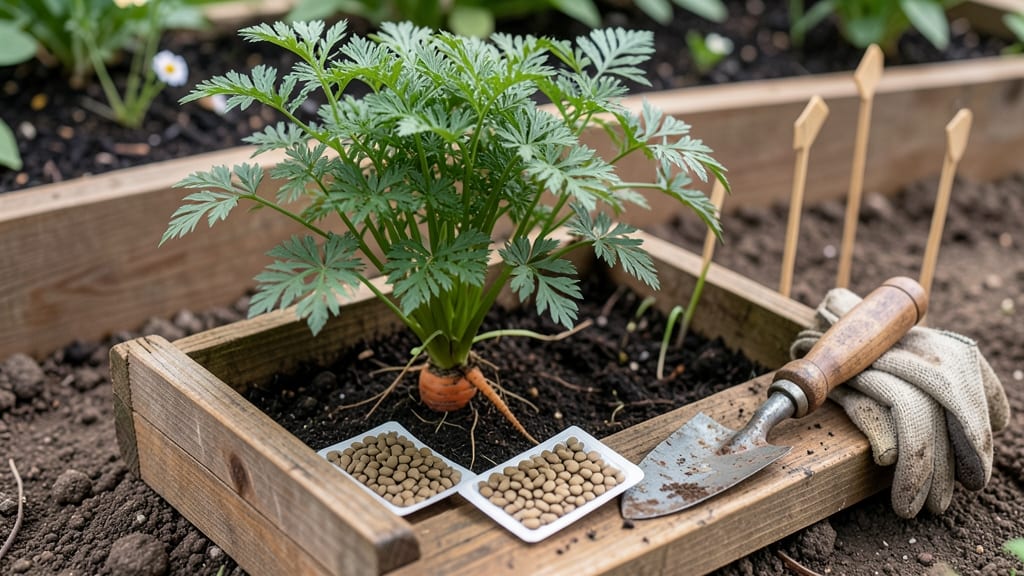
Timing your 🥕 carrot planting in North Carolina isn’t just about the calendar—it’s about understanding when the soil warms up just right for those tiny seeds to sprout like clockwork. Get it wrong, and you’ll end up with stubborn, slow-to-germinate seeds or bitter roots that never quite reach their potential.
Here’s the secret: carrots love cool soil, but they hate being planted too early when the ground is still chilly.
In USDA zones 7a-8b, the ideal window opens in early spring (March-April) and late summer (August-September), but the real magic happens when soil temperatures hit that sweet spot between 50°F and 85°F—not too hot, not too cold.
Whether you’re a first-time gardener or a seasoned pro, nailing this timing means faster germination, straighter roots, and a harvest that’ll make your neighbors jealous.
I’ll show you exactly how to read your soil’s temperature cues and adjust your planting schedule for two successful crops per year—no guesswork, just results.
Ready to turn your garden into a carrot powerhouse?
Let’s dive into the tricks that’ll have your 🥕 carrots growing like they’re in a fairy tale—because in North Carolina, the difference between a good crop and a great one often comes down to when you put those seeds in the ground.
Best planting times for carrots in North Carolina by region
North Carolina’s diverse climate—from the Coastal Plain to the Piedmont and Mountains—means carrot planting windows vary by 1-2 weeks between regions. The key is planting when soil temperatures hit 50–85°F for fast germination, while avoiding late spring heat (above 85°F) that causes bitter roots.
Let’s break it down by region so you can time your planting for success.
In the Coastal Plain (USDA Zones 7b-8a), where winters are milder, you can start as early as February for spring crops. The Piedmont (Zones 7a-7b) follows 2 weeks later, with ideal planting in late March.
Meanwhile, the Mountains (Zones 6b-7a) wait until mid-April to avoid frost. For fall crops, all regions aim for late summer (August), with Coastal areas having a slightly longer window into early September.
🌱 Pro Tip: Use a soil thermometer to confirm readiness—carrot seeds need consistent warmth to sprout reliably. If your soil is still cold in early spring, cover seeds with black plastic mulch to warm them faster.
| Region | Spring Planting | Fall Planting | Last Frost Date | First Frost Date |
|---|---|---|---|---|
| Coastal Plain | Feb 15–Mar 15 | Aug 1–Sep 15 | Mid-March | Early November |
| Piedmont | Mar 1–Apr 15 | Aug 15–Sep 10 | Late March | Mid-November |
| Mountains | Apr 1–May 1 | Aug 10–Sep 1 | Early April | Late October |
🌡️ Note: Adjust dates 1 week earlier for Coastal areas and 1 week later for Mountain elevations.
For spring carrots, sow seeds 2-3 weeks before your last frost date to ensure they germinate before soil warms beyond 85°F. In North Carolina, this typically means March for Coastal, April for Piedmont, and May for Mountains.
If you miss this window, switch to heat-tolerant varieties like ‘Yellowstone’ or ‘Danvers Half Long’, which handle warmer soils better.
Fall planting is trickier—aim to harvest before the first frost (usually mid-November in Coastal areas). Start seeds in late August so they mature by October.
Use row covers to extend the season if needed, but avoid planting too late, as cold soil slows germination and leads to forked or hairy roots.
🌿 Succession Planting Hack: In the Coastal Plain, you can squeeze in 3 planting windows: early spring, late spring, and fall. In cooler Mountain regions, 2 windows (spring and fall) work best. Space sowings 2 weeks apart for a continuous harvest.
One common mistake? Planting carrots too early when soil is still cold. If your seeds sit in below-50°F soil, they’ll rot before sprouting. Test soil warmth with a thermometer—wait until it’s consistently 50°F+ for 5+ days.
In North Carolina, this usually aligns with mid-March for Coastal, late March for Piedmont, and early April for Mountains.
💡 Expert Tip: If your spring soil is slow to warm, try starter beds with black plastic mulch or straw. These raise soil temps by 5–10°F, speeding up germination. For fall crops, use lightweight row covers to protect young seedlings from early frosts while still allowing sunlight.
Regardless of region, avoid planting in summer (June–July) unless you’re using shade cloth to keep soil temps below 85°F. Heat-stressed carrot seeds germinate poorly, and the resulting roots often taste bitter or woody. Instead, focus on spring and fall for the sweetest, crispest harvests.
📅 Quick Reference: - Coastal Plain: Plant Feb 15–Mar 15 (spring) or Aug 1–Sep 15 (fall). - Piedmont: Plant Mar 1–Apr 15 (spring) or Aug 15–Sep 10 (fall). - Mountains: Plant Apr 1–May 1 (spring) or Aug 10–Sep 1 (fall).
Soil temperature secrets: how to time carrot planting for fast germination
Carrots are fussy about soil temperature—too cold and they won’t sprout, too hot and they bolt. The sweet spot for fast germination is between 50–85°F, with 60–70°F being ideal.
In North Carolina, this means waiting until the soil warms enough after winter’s chill or cooling down before summer’s heat sets in.
Testing soil temperature is easier than you think. Use a soil thermometer (just $10 at garden centers) or press your hand into the soil—if it feels like a warm bath (not hot), it’s ready.
For spring plantings, aim for mid-March to early April when daytime temps consistently hit 55°F+. For fall plantings, late August to early September works best when soil cools to 75°F or below.
🌡️ Soil Temperature Rating for Carrot Germination
North Carolina’s three distinct regions (Coastal, Piedmont, Mountains) have different soil-warming rates. Coastal areas heat up fastest—plant 2–3 weeks earlier than Piedmont. Mountain gardens stay cooler; wait until after last frost (typically early April) to avoid stunted growth.
Use a row cover if planting early to protect tender seedlings from late frosts.
If your soil runs hot (common in summer), try these tricks: Shade cloth (30–50%) keeps seeds cool, or plant in partial shade under taller crops like corn or beans.
For container gardening, use black pots—they absorb heat and warm soil faster than white or red ones. Always water containers morning and evening to maintain even moisture.
Watch for bolting signs (long stems, yellowing leaves) if soil overheats. This makes roots woody and bitter. If you see this, harvest immediately or mulch heavily with straw to cool the soil.
For fall crops, plant 6–8 weeks before first frost (mid-October in most of NC) to ensure sweet, fully developed roots before winter.
Remember: Patience pays off. Carrot seeds take 14–21 days to sprout—longer in cold soil. Keep seeds moist (not soggy) and thin seedlings to 2–3 inches apart once they’re 2 inches tall. This prevents crowding and gives roots room to grow straight and sweet.