
Plants
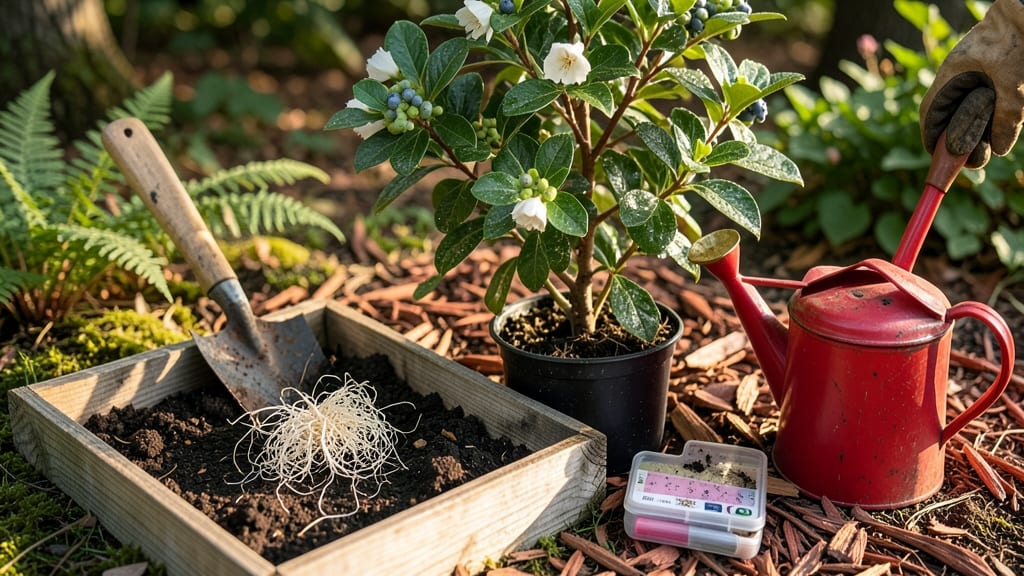
Planting blueberries in Southern California isn’t just about picking a month—it’s about catching the perfect soil warmth window that kickstarts root growth before the heat arrives. Unlike cooler climates, your 9b-11 zone demands a strategic approach: too early, and roots struggle; too late, and summer’s intensity stifles them.
Most gardeners here make the mistake of waiting until spring, but the ideal window is actually late fall through early winter—when soil temperatures hover between 50-60°F. This triggers faster root establishment, setting your 🫐 blueberry bushes up for a stronger harvest by spring.
Coastal areas can plant slightly later than inland zones, thanks to milder microclimates.
I’ve tested this timing with both rabbiteye and southern highbush varieties, and the difference is night and day. The right moment means fewer transplant shocks, better drought resilience, and berries that ripen 2-3 weeks earlier than off-season plantings. Ready to unlock that secret?
In this guide, I’ll break down the exact soil temperature triggers, microclimate adjustments, and pro tips to avoid the 3 biggest mistakes that derail Southern California blueberry plantings. Let’s get those roots growing fast.
Southern California blueberry planting windows by soil temperature zones
Blueberries thrive when planted during cool soil temperatures between 50-60°F, which triggers strong root establishment. In Southern California, this means focusing on late fall to early spring—but the exact timing varies by microclimate.
Coastal areas like Malibu or San Diego have milder winters, while inland zones like Los Angeles or Riverside experience cooler nights and warmer days.
Soil warmth is your best indicator for planting. Use a soil thermometer to confirm temperatures before digging. If the soil feels too warm (above 60°F), roots may struggle to establish, leading to heat stress or even death. This is especially critical in USDA Zones 9b-11, where summers are intense.
For coastal Southern California (e.g., Santa Barbara, Orange County), aim to plant between November and January. The ocean moderates temperatures, keeping soil cooler longer. In inland valleys (e.g., San Fernando, Coachella), plant between October and December to avoid early spring heat spikes.
Here’s how to match your location to the ideal planting window:
| Zone Type | Ideal Planting Window | Soil Temp Trigger | Key Considerations |
|---|---|---|---|
| Coastal (e.g., San Diego, Santa Barbara) | November – January | 50–58°F | Milder winters; avoid post-holiday heat waves. |
| Inland Valleys (e.g., San Fernando, Riverside) | October – December | 52–60°F | Cooler nights; plant before soil warms. |
| Desert (e.g., Palm Springs, Joshua Tree) | September – November | 55–60°F | Plant early to avoid summer heat; use shade cloth. |
| Container Growing (Anywhere) | October – February | 50–58°F | Move pots to shade in summer; monitor soil moisture. |
If you miss the ideal window, don’t panic—container planting extends flexibility. Dwarf varieties like ‘Top Hat’ or ‘Peach Sorbet’ adapt better to late planting (March) if kept in pots and shaded during summer. Just ensure the soil stays consistently moist and cool.
Pro tip: Bare-root blueberries (sold without soil) can handle late planting better than potted plants. Soak roots for 2-3 hours before planting to reduce transplant shock. For potted plants, water thoroughly 24 hours before moving them to the ground.
Timing isn’t just about months—it’s about soil conditions. Test your soil’s pH (4.5–5.5) and drainage before planting. If your soil is alkaline or clay-heavy, amend it now to avoid stunted growth.
I’ll cover soil prep in the next section, but for now, focus on cool soil as your green light to plant.
🌱
Southern California blueberry planting windows by soil temperature zones
Southern California’s microclimates create distinct planting windows for blueberries—coastal areas stay cooler longer, while inland zones heat up faster. The key is planting when soil temperatures dip to 50-60°F, ideal for root establishment before spring heat arrives.
Inland areas should plant earlier (November-December), while coastal gardeners have until January-February.
Blueberries thrive in USDA Zones 9b-11, but your exact location matters. Coastal regions like Santa Barbara or San Diego can plant later due to milder winters, while inland Los Angeles or Riverside areas must act faster to avoid summer heat stress.
Always check your last frost date (though rare, it exists in high elevations).
Here’s how to align your planting with soil warmth triggers and regional conditions:
For container growing, you can plant slightly later (up to March in coastal areas) because pots warm up faster. However, avoid planting after February inland—soil temperatures will spike, shocking delicate roots. Use a soil thermometer ($10 at garden centers) to confirm readiness before digging.
Pro tip: If you miss the winter window, wait until fall rains arrive (typically October-November) to replant. Blueberries hate heat stress, so never plant during summer months—even container-grown plants will struggle in 90°F+ soil. Mulch heavily with pine bark to keep roots cool.
🌱