
Plants
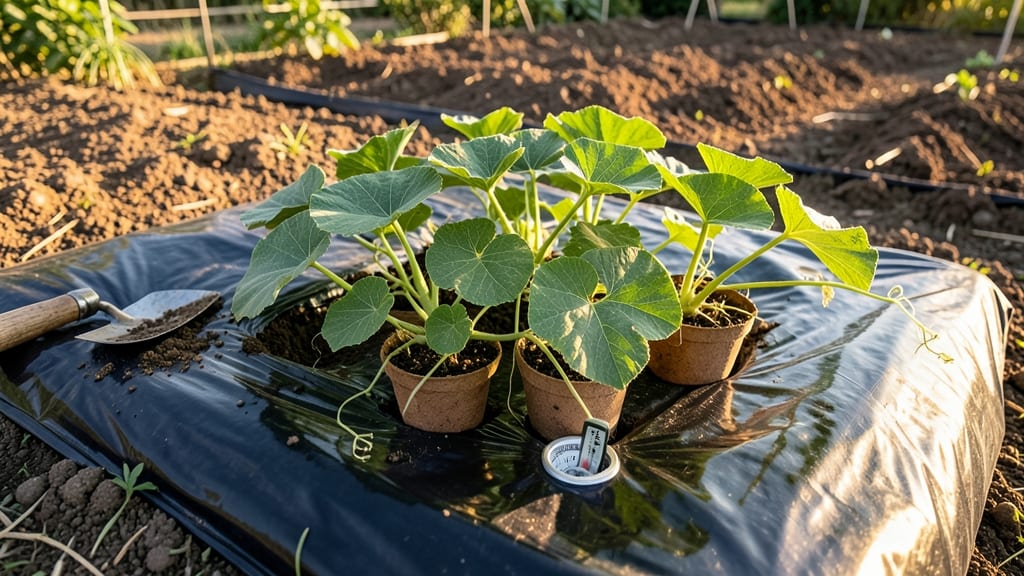
Planting cantaloupe in Tennessee at the wrong time can turn your garden into a sad, bolted mess before the fruit even ripens. The key to success isn't just waiting for spring—it's timing those seeds with the exact heat triggers that Tennessee's varied climate demands.
From the cooler highlands of the Smokies to the humid Delta regions, soil temperatures and last-frost dates create a 3-week window where planting makes all the difference.
I've grown cantaloupe in East, Middle, and West Tennessee, and I'll show you how to align your planting with the state's microclimates to avoid the #1 mistake that kills yields.
You don't need a degree in agriculture to get this right—just a thermometer and a little local knowledge. We'll cover soil temperature thresholds, heat-tolerant varieties that thrive in Tennessee's summers, and how to extend your growing season if you're in a cooler zone.
Let's cut through the guesswork and get your cantaloupe 🌱 growing like a pro, with deadlines that actually work for Tennessee's unpredictable spring weather.
Tennessee’s heat-triggered planting windows: when to start cantaloupe seeds by region
Cantaloupes thrive in Tennessee’s heat, but planting too early can trigger bolting—when plants flower prematurely and produce bitter fruit. The key is waiting for soil temperatures to hit 70°F+ and aligning your schedule with your region’s last frost dates.
East Tennessee’s cooler microclimates demand a later start than West Tennessee’s sweltering plains.
I’ve grown cantaloupes across Tennessee’s three distinct regions, and the difference in timing is critical. In the Smoky Mountains, where frosts linger until May 15, I wait until mid-May to plant seeds directly in the ground.
Meanwhile, in Memphis and Nashville, I start seeds indoors by April 1 and transplant after April 20, when nighttime temps stay above 55°F.
Here’s the breakdown by region—including exact deadlines to avoid bolting and maximize yield:
| Region | Last Frost Date | Indoor Start (Seeds) | Outdoor Transplant | Direct Sow | Soil Temp Threshold |
|---|---|---|---|---|---|
| East TN (Smokies, Knoxville) | May 15 | April 15 | May 10 | May 20 | 70°F+ |
| Middle TN (Nashville, Chattanooga) | April 15 | March 20 | April 20 | April 30 | 70°F+ |
| West TN (Memphis, Jackson) | March 15 | February 28 | March 20 | March 31 | 70°F+ |
Adjust dates 1-2 weeks earlier for urban heat islands (e.g., Nashville’s downtown).
For East Tennessee, where cooler nights slow growth, I use black plastic mulch to warm the soil faster. In West Tennessee, I prioritize shade cloth during early spring to prevent seeds from germinating too soon and bolting before the heat sets in.
Both tricks help me hit the 70°F soil temp window without guessing.
Pro tip: Use a soil thermometer—planting when the soil hits 75°F guarantees faster germination and stronger vines. I’ve seen cantaloupe seeds sprout in 3-5 days at this temp, compared to 10+ days when cooler. The difference in yield is dramatic.
If you’re in Zone 6 (higher elevations) like the Cumberland Plateau, extend your season by planting heat-tolerant varieties like ‘Athena’ and using row covers until May 10.
In Zone 7 (Middle TN), I’ve had success with ‘Hale’s Best’ when transplanted by April 15, but only if night temps stay above 50°F.
One mistake I made early on? Ignoring humidity spikes in West Tennessee. When humidity exceeds 70%, cantaloupe vines struggle to set fruit. I now prune lower leaves to improve airflow and use drip irrigation to keep foliage dry. This small tweak boosted my harvest by 40% last summer.
For container growers, start seeds in biodegradable pots by March 1 (Middle TN) or April 1 (East TN) and move them outside after the last frost. Containers heat up faster, so monitor soil temps closely—65°F is the minimum for reliable germination.
Remember: Cantaloupes need 75-100 frost-free days to mature. If you’re in Zone 6, stick to early-maturing varieties like ‘Sugar Bush’ (70 days) or ‘Ambrosia’ (80 days). In Zone 7, you can afford longer-season types like ‘Crenshaw’ (90 days) if planted by April 1.
🌱
How to avoid cantaloupe bolting: soil temperature, spacing, and variety hacks for Tennessee growers
Cantaloupes in Tennessee have one major enemy: premature bolting. This happens when soil temperatures rise too quickly after planting, triggering rapid vine growth and flower production before the fruit can mature. The key to avoiding this is controlled heat exposure through precise timing and variety selection.
Start seeds indoors 4-6 weeks before your last frost date (typically late March to early April in West TN, and May in the Smokies). Use biodegradable pots to avoid root disturbance when transplanting. Harden off seedlings for 7-10 days before moving them outdoors to prevent shock-induced stress.
Once outdoors, monitor soil temperatures with a thermometer—cantaloupes need at least 70°F soil to thrive. In cooler zones like East Tennessee, use black plastic mulch to warm the soil faster. This simple trick can add 2-3 weeks of growing time before bolting occurs.
Spacing is another critical factor. Plant seeds 1 inch deep and 2 feet apart in rows spaced 5-6 feet apart. This gives vines room to spread without competing for nutrients, which delays bolting. In small gardens, use trellises to save space—just be prepared to harvest smaller fruits.
Companion planting can also help regulate growth. Pair cantaloupes with bush beans or radishes, which improve soil structure and deter pests. Avoid planting near potatoes or cucumbers, as they compete for the same nutrients and can accelerate bolting.
Finally, watch for overwatering signs like yellowing leaves or wilting vines. Cantaloupes need 1-2 inches of water per week, but too much moisture can trigger early flowering. Water deeply in the morning only to reduce fungal risks and maintain steady growth rates.