
Plants
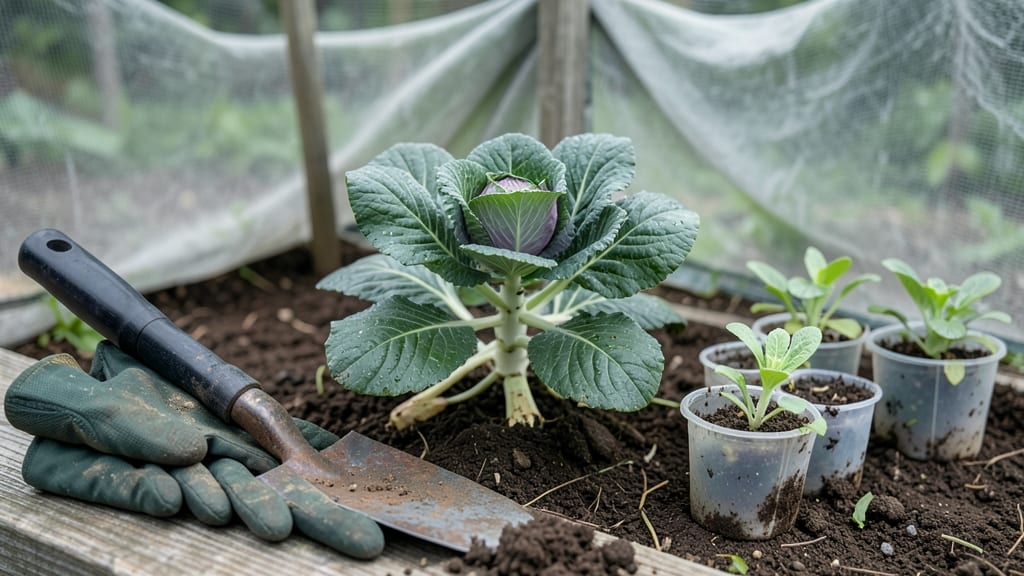
Planting cabbage 🥬 in Zone 6b at the wrong time can mean the difference between a bumper harvest and bolted disappointment.
The key to success lies in knowing exactly when to start seeds indoors and when to transplant them outdoors—timing that avoids both the heat of summer and the chill of early frost.
For most gardeners in Zone 6b, the ideal window for spring planting is mid-March to early April, with transplants going in after the last frost date around April 15.
But fall plantings are equally important, starting seeds indoors in late July to mid-August for a harvest before the first frost hits in mid-October.
Why does this matter? Because cabbage thrives in cooler weather, and getting the timing right ensures you avoid the heat stress that causes bolting—or worse, frost damage that ruins your crop.
I’ll walk you through the exact dates, soil prep, and care tips to grow heads so perfect, your neighbors will ask for cuttings.
Whether you’re a first-time gardener or a seasoned pro, mastering these dates will transform your cabbage patch from a gamble into a guaranteed harvest. Let’s get those seeds in the ground at the perfect moment.
Zone 6B cabbage planting calendar: exact dates for spring and fall success
Cabbage thrives in Zone 6B when planted during two key windows: spring and fall. Timing is everything—plant too early, and your cabbage may bolt from heat stress; too late, and frost will ruin your harvest.
For spring plantings, aim for mid-March to early April, while fall plantings should happen between late July and mid-August. These windows align with soil temperatures of 45–55°F, ideal for germination.
Your last frost date in Zone 6B typically falls around April 15, so calculate backward: 4–6 weeks before this date for spring starts. For fall, count 10–12 weeks before your first frost (usually October 15–November 1).
Adjust slightly for your specific location—Columbus gardeners may push dates 1–2 weeks earlier, while Indianapolis might delay by the same margin.
Cabbage varieties also play a role. Green cabbage (like ‘Golden Acre’) and red cabbage (e.g., ‘Ruby Perfection’) mature faster (60–75 days), while savoy types (such as ‘Blue Vantage’) take longer (80–100 days).
Plan accordingly: faster varieties suit early spring or late fall, while slower ones thrive in mid-season plantings.
Soil preparation is just as critical as timing. Cabbage prefers well-draining, slightly acidic soil (pH 6.0–7.0). Before planting, amend your garden beds with 2–3 inches of compost and a balanced fertilizer (5-10-10).
Test your soil in late winter to adjust pH if needed—lime raises pH, while sulfur lowers it. Avoid fresh manure, which can cause bolting or bitter-tasting heads.
Direct sowing vs. transplanting? For spring cabbage, I recommend starting seeds indoors 4–6 weeks before the last frost, then hardening off seedlings for 7–10 days before transplanting. For fall crops, direct sow after soil temperatures drop below 80°F to avoid heat stress.
Space seedlings 18–24 inches apart in rows 2–3 feet apart to allow airflow and reduce disease risk.
Watering is non-negotiable. Cabbage needs 1–2 inches of water weekly, delivered deeply in the morning to prevent fungal diseases like downy mildew. Use drip irrigation or soaker hoses to keep leaves dry.
Mulch with straw or shredded leaves to retain moisture and suppress weeds. In Zone 6B’s hot summers, increase watering to daily during head formation.
Watch for heat stress in late summer. If temperatures exceed 80°F for prolonged periods, your cabbage may bolt prematurely. Use shade cloth (30–50%) or row covers to protect plants during heatwaves.
For fall plantings, row covers also extend the season by 2–3 weeks before frost. Remove covers during the day to allow pollination if growing for seed.
Harvest timing varies by variety. Most cabbage is ready in 60–100 days, but check for firm, tightly wrapped heads with vibrant color. Harvest before heads split or leaves yellow. For storage, leave a 1-inch stem and cure heads in a cool, dark place (32–40°F) for 1–2 weeks.
Spring cabbage stores for 3–4 months; fall varieties last 2–3 months before use.
Pro tip: Stagger plantings every 2 weeks in spring and 3 weeks in fall to ensure a continuous harvest. This strategy works especially well for mixed varieties—plant green cabbage early and savoy types later for a diverse harvest timeline.
Zone 6B cabbage planting calendar: exact dates for spring and fall success
In Zone 6B, timing your cabbage planting is everything—get it wrong, and you’ll either watch your plants bolt in the heat or freeze before forming heads. The average last frost for this zone is around April 15, while the first frost typically arrives between October 15–November 1.
These dates anchor your planting schedule, but soil temperature and variety maturity also play critical roles.
For spring cabbage, start seeds indoors 4–6 weeks before your last frost (so mid-February to early March). Transplant seedlings outdoors 2–3 weeks before the last frost (around mid-March to early April). This ensures heads form before summer heat triggers bolting.
In fall, aim to plant seeds outdoors 10–12 weeks before the first frost (late July to mid-August), giving plants enough time to mature before cold sets in.
📅 Zone 6B Cabbage Planting Summary
| Stage | Action | Timeframe | Notes |
|---|---|---|---|
| Spring Start Indoors | Sow seeds | Mid-February to early March | Use grow lights if natural light is weak |
| Transplant Outdoors | Move seedlings | Mid-March to early April | Hardening off required |
| Fall Start Outdoors | Direct sow seeds | Late July to mid-August | Choose fast-maturing varieties |
| Harvest Window | Pick heads | June–July (spring) or October–November (fall) | Harvest before heads split |
Soil temperature is just as critical as air temperature. Cabbage seeds won’t germinate well in soil below 40°F, so wait until soil warms to at least 45°F in spring or 50°F in fall. Use a soil thermometer to check—this is especially important in Columbus or Indianapolis, where spring soil can lag behind air temperatures.
For regional adjustments, gardeners in northern Zone 6B (closer to Fort Wayne) may need to push spring starts 1–2 weeks later to avoid early frost, while those in southern Zone 6B (near Louisville) can plant slightly earlier.
Always monitor your local frost forecast—a late frost can devastate young seedlings, so have row covers ready for emergencies.
Pro tip: Stagger your plantings by 2 weeks to extend your harvest. For example, sow a second batch of seeds outdoors in early April for a mid-summer crop, or plant a third batch in early August for a late-fall harvest.
This technique ensures you’re never without fresh cabbage—and it’s perfect for succession planting in small gardens.
Finally, avoid planting cabbage in late summer (after August 15). By then, day lengths shorten and temperatures rise, triggering bolting—the plant’s natural response to stress.
Instead, focus on early spring and late summer for the best results, and always choose cold-hardy varieties like ‘January King’ or ‘Golden Acre’ for Zone 6B’s unpredictable fall weather.