
Plants
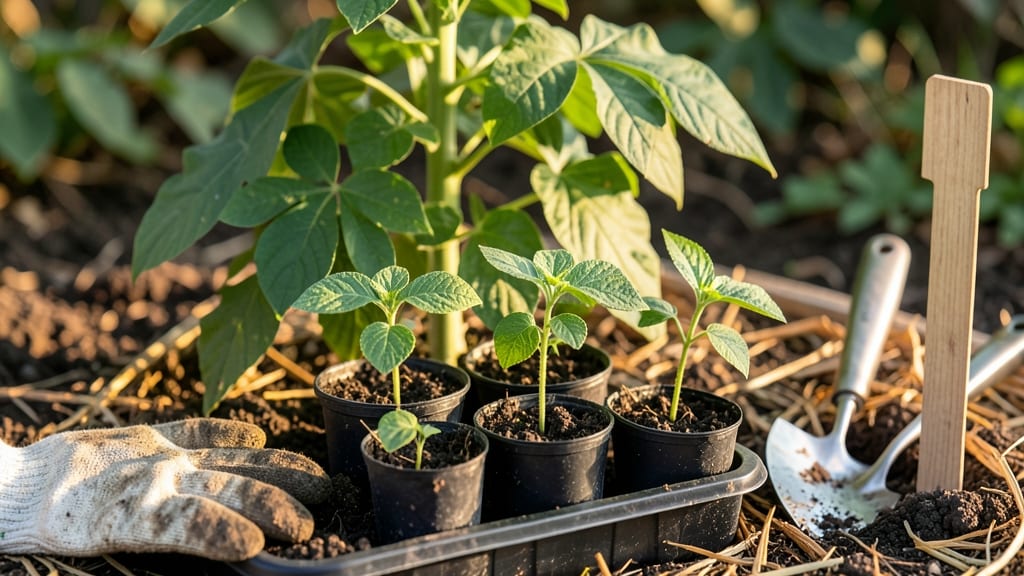
When to plant beans in Utah** could mean the difference between a thriving harvest and a sad, frost-nipped disappointment. With the Wasatch Front’s late springs and Southern Utah’s scorching summers, knowing when to plant isn’t just helpful—it’s essential for success.
Most gardeners in Utah’s 5b-7a zones wait until after the last frost—typically mid-April in Salt Lake City—but that’s only half the story. Soil temperature matters just as much as the calendar, and planting too early can leave your seedlings struggling in cold, damp earth.
In this guide, I’ll break down the exact windows for both spring and fall planting, plus how to adjust for your specific corner of the state. Whether you’re growing bush beans in the valley or pole varieties in the high desert, you’ll learn the tricks to maximize your harvest.
Ready to turn your garden into a bean bonanza? Let’s get started with the soil warmth triggers and frost dates that actually work in Utah’s unpredictable climate.
Utah bean planting dates by soil temperature & frost zones
Timing your bean planting in Utah isn’t just about avoiding frost—it’s about matching your seeds to the soil temperature and microclimate of your specific region. Beans need warm soil (60°F+) to germinate, but Utah’s USDA zones 5b-7a create big differences between Salt Lake City’s valleys and St. George’s desert floors.
Let’s break down the optimal planting windows and how to use soil thermometers to avoid costly mistakes.
Most Utah gardeners plant beans in two main windows: spring (after last frost) and fall (for a late harvest).
However, the average last frost dates vary wildly—Salt Lake City typically sees frost until April 10, while St. George’s high desert areas can plant as early as March 15.
Using a soil thermometer (available for $10-$15 at garden centers) is the best way to confirm readiness, since air temperature often lags behind soil warmth.
Pro Tip: For high-elevation areas like Logan or Park City (zone 5b), wait until May 1 to plant, even if frost dates suggest earlier. Cold, wet soil can stunt germination, and beans hate soggy roots. In contrast, low desert areas like St. George (zone 8a) can start beans in late February if soil warms quickly.
| Region | USDA Zone | Last Frost Date | Ideal Planting Window | Soil Temp Requirement | Risk of Early Planting |
|---|---|---|---|---|---|
| Salt Lake City (Valley) | 6b | April 10 | May 1 - May 15 | 60°F+ (15°C+) | Late frost damage (10% risk) |
| Logan/Park City | 5b | May 1 | May 15 - June 1 | 65°F+ (18°C+) | Poor germination in cold soil (20% risk) |
| St. George (Desert) | 8a | March 15 | Late Feb - Early April | 55°F+ (13°C+) | Heat stress if planted too early (5% risk) |
| Ogden/Clearfield | 6a | April 20 | May 10 - May 25 | 60°F+ (15°C+) | Moderate frost risk (15% risk) |
🌱 Key Takeaway: Plant when soil hits 60°F, not just after the last frost date.
If you’re eager to start earlier, consider container gardening with black plastic pots. These absorb sunlight and warm up 10-15°F faster than garden soil, giving you a 2-3 week head start in cooler zones. Just be sure to harden off seedlings gradually if you move them outdoors later.
For a fall harvest, aim to plant beans by July 15 in most of Utah. This gives them 60-70 days to mature before the first frost (typically October 15 in Salt Lake City).
In warmer desert areas like St. George, you can push this to August 1 for a late-season crop.
One common mistake is relying solely on air temperature rather than soil temperature. Beans won’t germinate if the soil is cold, even if the air feels warm. Use a soil thermometer (inserted 2 inches deep) to confirm readiness.
If your soil is below 60°F, wait another week—your seeds will thank you with faster, stronger sprouts.
For gardeners in Zone 5b (Logan, Heber), consider using row covers or a cold frame to protect early plantings. These can raise soil temperatures by 5-10°F**, helping you start beans 2 weeks earlier without risking frost damage. Just remove covers once plants are established to prevent overheating.
Remember: Utah’s short growing season means every day counts. By aligning your planting with soil warmth and local frost dates, you’ll maximize your bean harvest—whether you’re growing bush beans for snap pods or pole beans for dried beans.
For personalized advice, check your local USU Extension office or use their Utah Climate Center frost maps for real-time updates.
Now that you’ve got your timing down, let’s talk varieties—because not all beans thrive equally in Utah’s extremes. Next up: Which bean types handle our heat, cold snaps, and short seasons best? Find out here. 🌿
Best bean varieties for Utah’s short growing season & how to extend it
Utah’s short growing season and variable frost dates demand bean varieties that mature quickly or thrive in heat. The right choice can mean the difference between a bountiful harvest and wasted effort.
For example, 'Blue Lake' beans mature in just 50-55 days, perfect for Utah’s 120-150 frost-free days. Meanwhile, heat-tolerant varieties like 'Purple Hull' can handle Utah’s scorching July temperatures without bolting.
To maximize your harvest, focus on fast-maturing bush beans for early planting and heat-resistant pole beans for late-season success.
Bush beans like 'Kentucky Wonder' (55-60 days) are ideal for spring plantings in mid-April, while pole beans like 'Rattlesnake' (60-65 days) can stretch your harvest into late summer if planted in late July. Both varieties avoid the late frost risks common in Utah’s high desert regions.
Soil preparation is just as critical as variety selection. Utah’s cold soils can delay germination, so use black plastic mulch or straw bales to warm the ground 2-3 weeks faster than bare soil. For pole beans, install trellises early (by mid-May) to give vines time to establish before Utah’s summer heat peaks. This simple step can double your yield by preventing broken stems.
| Variety | Days to Mature | Best For | Utah Tip |
|---|---|---|---|
| Blue Lake (Bush) | 50-55 | Spring harvest | Plant after April 15; use row covers for late frosts. |
| Kentucky Wonder (Pole) | 55-60 | Early summer | Install trellis by May 1; water deeply during June droughts. |
| Purple Hull (Bush) | 60-65 | Heat tolerance | Plant in late July for fall harvest; mulch to retain moisture. |
| Black Valentine (Pole) | 65-70 | Late season | Use drip irrigation to avoid fungal issues in humid August. |
For succession planting, stagger your sowings every 2 weeks from mid-May to early July. This ensures a continuous harvest through September, even in Utah’s unpredictable climate.
For example, plant 'Blue Lake' on May 15, June 1, and June 15 to spread out your harvest timeline. Pair this with fall varieties like 'Provider' (70 days) for a late-season boost.
Protect young seedlings from late spring frosts (common in Utah’s mountain valleys) by using frost cloth or planting near warm microclimates, like south-facing walls. In St. George’s desert climate, where soil warms faster, you can start 2 weeks earlier than in Salt Lake City.
Always check your local frost dates from the USU Extension for precise timing.
Finally, soil amendments like composted manure or aged leaves improve drainage in Utah’s clay-heavy soils, while mulching with straw keeps roots cool during summer heatwaves. These small adjustments can turn a marginal season into a productive one, even with Utah’s challenging growing conditions.