
Companion Plants
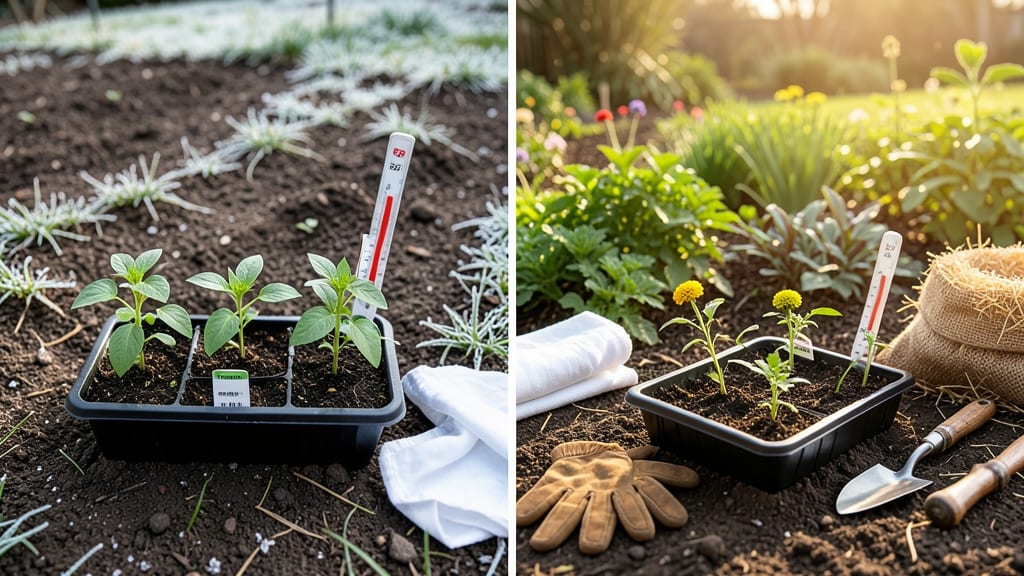
Planting in Zone 6a at the wrong time can turn your garden dreams into frost-killed disappointment—but getting the timing right transforms your yard into a thriving, productive oasis.
With last frost dates typically landing between April 15 and May 15, knowing exactly when to plant each crop makes all the difference in your harvest.
Whether you're growing heat-loving tomatoes or cold-hardy kale, the General Zone 6a Planting Guide 🌱 gives you precise windows to maximize success. I'll show you how to work with your local climate, adjust for microclimates, and even extend your growing season so you can enjoy fresh produce for months longer.
No more guessing whether it's safe to plant those peppers or when to sow your lettuce seeds. This guide breaks down the exact timing for your favorite vegetables and flowers, so you can start planting with confidence and watch your garden flourish.
Ready to stop second-guessing and start growing? Let's dive into the foolproof schedule that'll have your Zone 6a garden looking like a pro's—without the years of trial and error.
Zone 6A frost dates and best planting windows by season
Understanding your Zone 6A frost dates is the first step to a successful garden. The average last spring frost falls between April 15 and May 15, while the first fall frost typically arrives around October 15.
However, these dates can shift by 1-2 weeks depending on elevation, proximity to water, or urban heat islands. For example, cities like Chicago may see later frosts than rural areas in Kentucky.
To plan effectively, I recommend tracking your local frost history for 3-5 years. Use tools like the National Weather Service or local agricultural extensions for precise data.
A frost-free season in Zone 6A lasts about 165 days, giving you a window to grow both cool-season crops (like spinach and peas) and warm-season crops (like tomatoes and peppers) with careful timing.
Here’s how I break down the planting windows by season to maximize your harvest:
| Season | Planting Window | Crops to Plant | Key Tip |
|---|---|---|---|
| Early Spring | 4-6 weeks before last frost (Feb 20 - Mar 20) | Peas, spinach, lettuce, onions, potatoes | Use row covers to protect from late frosts. |
| Late Spring | 2-3 weeks after last frost (May 1 - May 15) | Tomatoes, peppers, cucumbers, basil, marigolds | Warm soil is critical—wait until soil temps reach 60°F. |
| Summer | June 15 - July 31 | Beans, corn, squash, okra, sunflowers | Mulch to retain moisture during heatwaves. |
| Early Fall | 8-10 weeks before first frost (Aug 15 - Sep 15) | Kale, broccoli, carrots, radishes, pansies | Choose cold-hardy varieties for extended harvests. |
| Late Fall | 6-8 weeks before first frost (Sep 20 - Oct 10) | Garlic, onions, cover crops (clover, rye) | Plant garlic in fall for next year’s harvest. |
For cool-season crops, I always plant the first batch 4-6 weeks before the last frost to ensure they mature before summer heat sets in.
For example, spinach and lettuce can bolt (go to seed) if temperatures exceed 75°F, so I prioritize these in early spring or late summer. Meanwhile, warm-season crops like tomatoes and peppers need to wait until the soil reaches at least 60°F—otherwise, their roots won’t develop properly.
Microclimates play a huge role in Zone 6A. A south-facing slope might warm up 1-2 weeks earlier than a north-facing valley, allowing you to plant warm-season crops sooner. Similarly, urban areas can experience heat islands, delaying frost dates by 10 days or more.
To account for this, I always keep a portable frost monitor (or even a simple thermometer) in my garden to track real-time conditions.
Another pro tip: Use season extenders like cold frames, hoop houses, or row covers to push your planting windows. For instance, I’ve successfully grown lettuce until November 1 in Zone 6A by using a low tunnel with row cover fabric.
This extends the harvest by 4-6 weeks and adds thousands of dollars in value to my home garden.
If you’re new to Zone 6A gardening, start with low-maintenance crops like peas, radishes, and marigolds to build confidence. These thrive in cooler temperatures and forgive minor timing mistakes.
Once you’ve mastered the basics, experiment with tomatoes, peppers, and herbs—but always monitor your local frost dates and soil temperatures to avoid common pitfalls.
Remember, the key to success in Zone 6A is flexibility. Adjust your planting dates based on weather patterns, not just averages.
A late frost in May can delay your warm-season crops by weeks, while an early fall frost might let you squeeze in a second planting of spinach. Stay adaptable, and your garden will reward you with bountiful harvests year after year.
🌱
Zone 6A frost dates and best planting windows by season
In Zone 6A, your planting schedule hinges on two critical dates: the average last frost date (April 15) and the first frost date (October 15). These dates create a 165-day growing season, but not all plants thrive in this window.
Cool-season crops like spinach and kale can handle early spring planting, while tomatoes and peppers need warmer soil to germinate.
Microclimates—like urban heat islands or sheltered valleys—can shift your frost dates by 1-2 weeks. For example, a south-facing slope might warm up faster, allowing you to plant warm-season crops earlier. Always monitor local weather forecasts and use frost-free date calculators for precision.
🌱 Zone 6A Planting Windows by Season
| Season | Planting Window | Ideal Crops | Soil Temp Requirement |
|---|---|---|---|
| Early Spring | 4-6 weeks before last frost (March 1 - April 1) | Peas, Spinach, Lettuce, Onions | 40-50°F |
| Late Spring | 2-3 weeks after last frost (May 1 - June 1) | Tomatoes, Peppers, Cucumbers, Basil | 60-70°F |
| Summer | June 15 - August 15 | Beans, Corn, Squash, Marigolds | 65-85°F |
| Fall | 8-10 weeks before first frost (August 15 - September 15) | Kale, Carrots, Radishes, Pansies | 50-60°F |
For cool-season crops, aim to sow seeds 4-6 weeks before your last frost date. These plants tolerate light frosts and often produce sweeter flavors when grown in cooler weather. Use row covers or cold frames to extend the season if needed.
For warm-season crops, wait until the soil reaches 60°F—usually 2-3 weeks after your last frost—to avoid stunted growth.
Fall planting is just as critical as spring. Start cool-season crops in late summer (August) to ensure they mature before the first frost. Use succession planting for quick growers like radishes or lettuce to maximize your harvest.
Harden off seedlings gradually by exposing them to outdoor conditions for 1-2 hours daily before transplanting.
If you’re unsure about your exact frost dates, check the National Weather Service or use a planting calendar app like Old Farmer’s Almanac. Local gardening groups often share microclimate insights—don’t hesitate to ask!
For example, areas near large bodies of water may have later last frosts due to moderated temperatures.
Pro tip: Plant early bloomers like calendula or nasturtiums in late spring to attract pollinators and deter pests before your main crops mature. These flowers thrive in Zone 6A and add a splash of color to your garden while supporting biodiversity. 🌻