
Companion Plants
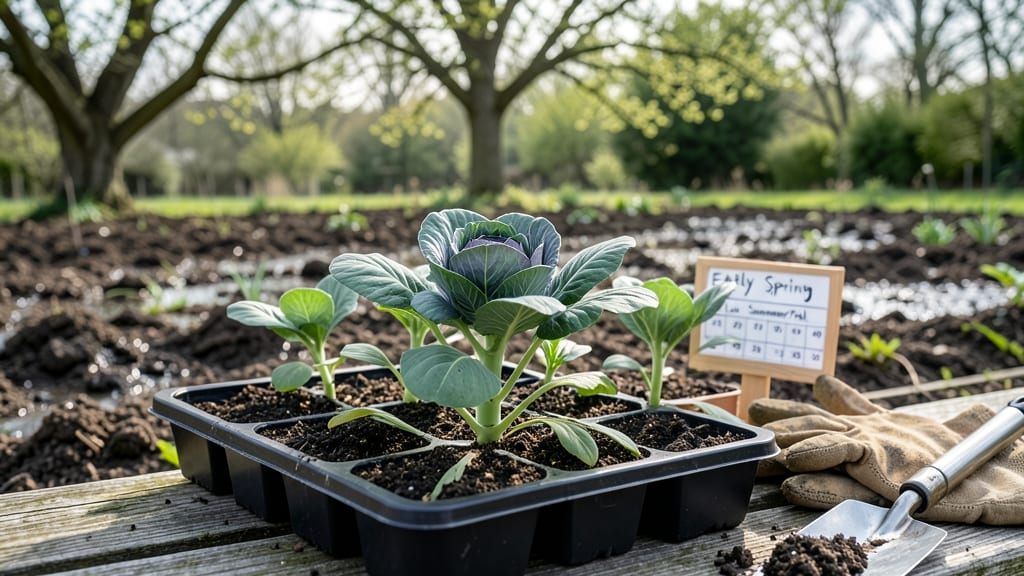
Timing your cabbage planting in Pennsylvania isn’t just about the calendar—it’s about outsmarting frost and heat to grow the crispest 🥬 heads possible.
With last frost dates creeping as late as mid-April in some zones, planting too early can leave seedlings vulnerable, while waiting too long risks stunted growth before harvest season.
Most gardeners in 5b-7a zones swear by two key windows: early spring (March-April) for quick summer harvests and late summer (July-August) for fall crops.
But here’s the catch—spring varieties need 4-6 weeks of warm soil before transplanting, while fall cabbages must beat the first frost by at least 75 days to mature properly.
Whether you’re direct-sowing seeds or transplanting seedlings, I’ll break down the best months for each variety—plus how to adjust for Pennsylvania’s microclimates. No more guessing whether your cabbage will bolt or rot; just proven strategies for a bountiful harvest.
Ready to transform your garden into a cabbage powerhouse? Let’s dive into the exact planting schedule that works for your region, so you can enjoy homegrown 🥬 from June through November.
Best cabbage planting months in Pennsylvania by variety type
Pennsylvania’s USDA zones 5b-7a create a unique challenge for growing cabbage—you can plant spring, summer, and fall varieties, but timing is everything.
The average last frost date of April 15 signals the start of spring planting, while fall varieties thrive when sown in late July or August for harvest before the first frost around October 20. Choosing the right variety and planting window ensures crisp, healthy heads all season.
For spring cabbage, start with early varieties like 'Golden Acre' or 'Early Jersey Wakefield'—these bolt-resistant types handle cooler temps. Summer cabbage varieties like 'Copenhagen Market' need warmer soil, while fall varieties such as 'January King' store well for winter use.
Each type has its own planting window and harvest timeline, so let’s break it down by season.
| Variety Type | Planting Window | Days to Maturity | Harvest Months | Best For |
|---|---|---|---|---|
| Early Spring | March 15–April 15 | 60–75 days | June–July | Fresh eating, salads |
| Mid-Spring | April 1–May 15 | 75–90 days | July–August | Storage, sauerkraut |
| Summer | June 1–July 15 | 70–85 days | August–September | Heat tolerance |
| Fall/Winter | July 15–August 15 | 85–100 days | October–November | Cold storage, long-term use |
If you’re planting spring cabbage, begin indoor seedlings in late February or early March for transplanting outdoors 4–6 weeks before the last frost.
For direct sowing, wait until soil temps reach 40°F (around mid-April) to avoid stunted growth. Fall varieties should be sown 8–10 weeks before the first frost—typically late July—to ensure heads mature before cold sets in.
Pro tip: Use row covers or cold frames to extend your spring planting window by 2–3 weeks. This protects young plants from late frosts while still allowing them to establish roots.
For summer varieties, focus on heat-tolerant types like 'Bodice' or 'Red Express', which handle Pennsylvania’s occasional 90°F+ days better than traditional green cabbages.
For continuous harvests, stagger plantings every 2–3 weeks from March through August. This ensures you always have mature heads ready to pick, whether you’re making coleslaw, stir-fries, or fermenting for sauerkraut.
Just remember: overcrowding leads to pests and disease, so space plants 18–24 inches apart in rows 2–3 feet apart.
One common mistake? Planting summer cabbage too early. Soil that’s still too cold (below 50°F) stunts growth, while hot soil (> 85°F) causes bolting. Use a soil thermometer to check temps before sowing—aim for 50–70°F for optimal germination and growth.
In Pennsylvania’s southern regions (e.g., Philadelphia), you can push spring planting slightly earlier due to warmer microclimates, while northern areas (e.g., Pittsburgh) may need to wait until mid-April to avoid frost damage. Always check your local frost date averages and adjust accordingly.
Finally, don’t overlook succession planting. By sowing new seeds every 2 weeks from March to August, you’ll enjoy fresh cabbage all season long. Pair this with proper soil prep—adding compost and balanced fertilizer—to give your plants the nutrients they need to thrive.
With the right planting schedule and variety selection, you’ll harvest crisp, flavorful cabbage from June through November, even in Pennsylvania’s variable climate. Happy growing! 🌱
How to adjust cabbage planting for Pennsylvania’s frost zones and microclimates
Pennsylvania’s diverse frost zones and microclimates mean your cabbage’s success hinges on local adjustments. Cities like Philadelphia (Zone 7a) enjoy milder winters, while Pittsburgh (Zone 6b) faces earlier frosts. Rural areas may have 10°F colder lows than urban gardens, so knowing your zone is critical for timing.
Microclimates—like south-facing slopes or low-lying valleys—can shift frost dates by 2-3 weeks. For example, a cold snap in April might delay planting in the Poconos but not in Lancaster.
Always check your last frost date (typically April 15 statewide) and adjust planting by 2-4 weeks if you’re in a colder microclimate.
🌱 Microclimate Adjustments for Cabbage Planting in PA
- 📍 Urban Areas (Philly, Allentown): Plant 2 weeks earlier—warmer pavement speeds soil thawing.
- 🏔️ Mountainous Regions (Poconos, Alleghenies): Delay planting by 3-4 weeks—frost lingers longer.
- 🌿 South-Facing Gardens: Start 1 week earlier—sun warms soil faster.
- 🌧️ Low-Lying Areas: Use row covers if frost threatens after planting.
- 🏡 Backyard Gardens Near Buildings: Plant 1 week later—structures trap heat, delaying frost.
For spring cabbage, transplant seedlings 4-6 weeks before your last frost date—but if you’re in Zone 5b, opt for cold-hardy varieties like ‘January King’ and extend your window with black plastic mulch.
This raises soil temps by 5-10°F, letting you plant 2 weeks earlier without risking frost damage.
Fall planting requires even more precision. In Zone 7a, sow seeds by July 15 for a October harvest, but in Zone 6b, aim for July 1 to avoid early frosts. Use floating row covers to protect young plants if temps dip below 40°F at night—this buys you 3-4 extra weeks of growth.
If you’re in a transition zone (like Central PA), test soil temps with a thermometer. Cabbage thrives in 45-85°F soil—plant when temps stabilize above 50°F. In Pittsburgh, this might mean May 10, while in Harrisburg, it’s April 25.
Always err on the side of waiting—cold soil stunts roots and invites damping-off disease.
For late-season extensions, try cold frames or low tunnels. These can push your harvest into November in milder zones. Just remove covers during the day to prevent overheating—cabbage wilts in 90°F+ soil. Pair this with drip irrigation to keep roots cool and moist.
Finally, monitor local weather forecasts via NOAA’s Frost/Freeze Predictions or apps like PlantNet. These tools alert you to unexpected cold snaps, giving you time to cover plants or move containers indoors. With these adjustments, you’ll turn PA’s quirks into cabbage-growing advantages—not obstacles.
🌱