
Plants
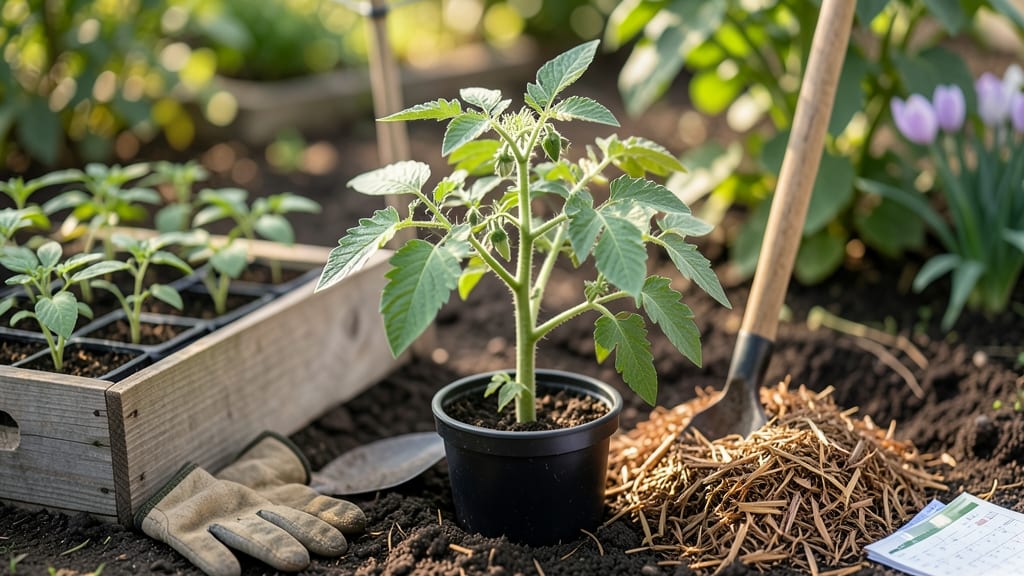
Planting your 🍅 tomatoes at the wrong time in Oklahoma can mean the difference between a bountiful harvest and a sad, wilted disappointment. The key to success isn’t just waiting for spring—it’s understanding your exact heat zone, last frost dates, and how to beat Oklahoma’s notorious summer heat waves.
I’ve spent years growing tomatoes in Oklahoma’s 6a-8a zones, and the best planting window isn’t what most gardeners assume. Whether you’re in Oklahoma City, Tulsa, or rural areas, timing matters—especially when soil temperatures and frost patterns shift unpredictably.
Let me show you how to pinpoint your perfect planting window using science-backed data and local insights.
From mid-April to early June, the race is on to beat frost and get your tomatoes established before the heat sets in. But did you know late July to early August offers a second chance for a fall harvest?
I’ll break down the exact steps to prepare your soil, monitor weather trends, and choose varieties that thrive in Oklahoma’s climate.
Ready to grow tomatoes that actually ripen? Skip the guesswork and follow this guide to turn your garden into a productive powerhouse—no matter where you are in the state.
Oklahoma’s tomato planting timeline by heat Zone (avoid frost & heat stress)
Oklahoma’s USDA heat zones (6a–9a) create dramatic differences in tomato planting success. In Zone 6a (northwest Oklahoma), frost lingers until mid-April, while Zone 8a (southeast) sees last frosts by March 15. Timing isn’t just about frost—it’s also about avoiding 100°F+ heat stress that can scorch young plants.
For spring planting, aim to transplant seedlings 2–3 weeks after your last frost date. Soil must reach 60°F+ for roots to establish—use a soil thermometer to confirm.
In Zone 7a–8a, this often means mid-April to early May, while Zone 6a gardeners should wait until late April.
Direct sowing seeds 1–2 weeks earlier than transplanting gives seedlings a head start. Harden them off for 7–10 days before planting to prevent shock from Oklahoma’s windy conditions.
For fall harvests, plant late July to early August in all zones—this gives tomatoes time to mature before first frost (mid-October).
Oklahoma Tomato Planting by Heat Zone
| Zone | Last Frost | Spring Planting Window | Fall Planting Window | Heat Risk |
|---|---|---|---|---|
| 6a (Altus, Woodward) | Mid-April | Late April–May 15 | Late July–early Aug | High (July–Aug) |
| 7a (Oklahoma City, Tulsa) | Early April | Mid-April–May 10 | Late July–early Aug | Moderate (June–Sept) |
| 7b (Lawton, Ardmore) | Late March | Early April–May 5 | Late July–early Aug | Low (May–June) |
| 8a (Idabel, McAlester) | Mid-March | Late March–April 30 | Early Aug–mid-Sept | High (July–Aug) |
*Heat risk based on NOAA 90th percentile temps. Use shade cloth in peak summer for Zone 8a.
Choose heat-tolerant varieties like ‘Heatmaster’ or ‘Solar Fire’ for Zone 8a’s intense summers. In Zone 6a, opt for early-maturing hybrids (60–70 days) to beat frost. Always monitor weather forecasts—Oklahoma’s sudden cold snaps in May can delay planting by weeks.
Mulch with black plastic or straw to warm soil faster in spring. This raises soil temps by 5–10°F, helping seedlings establish before Oklahoma’s dry winds arrive. Remove mulch in late summer to prevent blossom end rot from uneven moisture.
For container growing, plant 1–2 weeks later than in-ground tomatoes—pots heat up faster but dry out quicker. Use self-watering containers to maintain consistent moisture, critical during Oklahoma’s summer droughts. Elevate containers to improve airflow and reduce fungal diseases.
Track your local frost dates using the Oklahoma Mesonet or OSU Extension’s frost maps. Set reminders for 32°F alerts—even a light frost can kill young plants. In Zone 7a–8a, consider row covers for early spring plantings to protect against late frosts.
Test soil pH (6.0–6.8) and add compost or aged manure before planting. Oklahoma’s clay-heavy soils benefit from gypsum or sand to improve drainage. Amend beds in fall or early spring for best results.
Plant determinate varieties (bush tomatoes) in Zone 6a for earlier harvests—they mature faster than indeterminate vines. Stake or cage plants immediately to prevent wind damage from Oklahoma’s spring storms. Prune suckers regularly to boost fruit production.
🌱
How to adjust planting time for Oklahoma’s microclimates (City-specific tips)
Oklahoma’s diverse landscapes create microclimates that can shift your tomato planting window by weeks. Urban areas like Oklahoma City and Tulsa experience urban heat islands, while rural zones in the Panhandle face earlier frosts. Let’s break down how to fine-tune your schedule for city-specific success.
Start by checking your local last frost date. Oklahoma City’s average is April 15, while Tulsa’s is April 10. Rural areas like Lawton (USDA Zone 7b) can plant 10 days earlier than Oklahoma City (Zone 7a).
Use the Oklahoma Mesonet for real-time soil temps—aim for 60°F+ before transplanting.
📌 Visual Element: City-Specific Planting Adjustments
| City/Region | USDA Zone | Last Frost Date | Ideal Planting Window | Heat Stress Risk |
|---|---|---|---|---|
| Oklahoma City | 7a | April 15 | April 20–May 10 | High (July–Aug) |
| Tulsa | 7b | April 10 | April 15–May 5 | Moderate |
| Norman | 7a | April 12 | April 18–May 8 | High |
| Lawton | 7b | March 28 | April 5–April 25 | Low-Moderate |
| Panhandle (e.g., Guymon) | 6a | April 5 | May 1–May 15 | Moderate (earlier frost risk) |
For urban gardeners, black plastic mulch can warm soil 5–10°F faster than bare earth, letting you plant 2 weeks earlier. In rural areas, prioritize elevation—higher zones (like Mount Scott) may see frost 10 days later than valleys.
Monitor heat stress risk after June 1. Oklahoma City’s July temps often hit 95°F+, causing blossom drop. Use shade cloth (30%) during peak heat or opt for heat-tolerant varieties like ‘Heatmaster’ or ‘Solar Fire’. These thrive in 90°F+ temps without wilting.
Pro tip: Plant cherry tomatoes in late July for a fall harvest. They ripen faster (50–60 days