
Plants
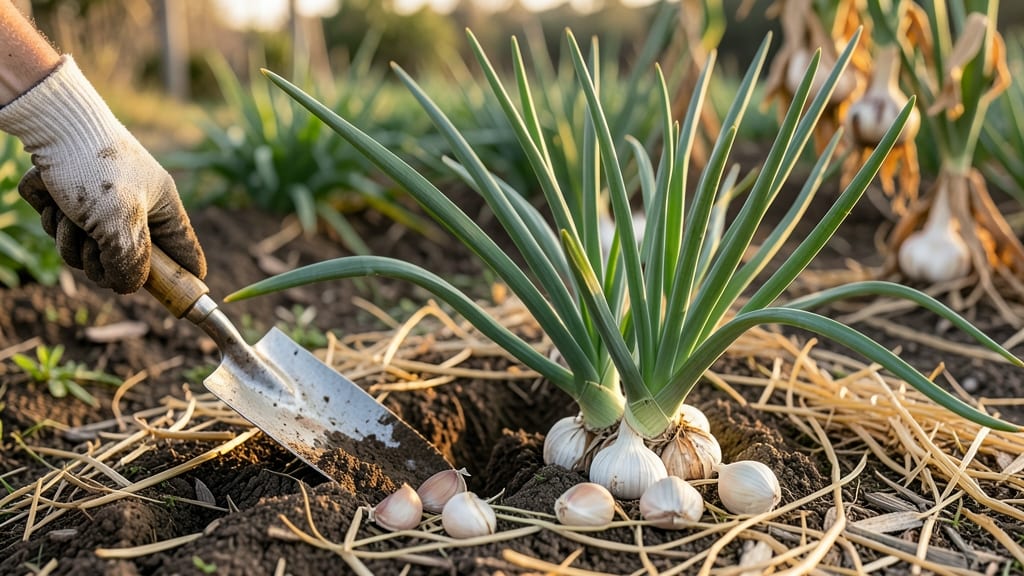
Planting garlic 🧄 in California at the wrong time can mean the difference between a thriving crop and a total loss—especially when late frosts sneak in where you least expect them.
Unlike many plants, garlic thrives when planted in fall, but the exact timing varies wildly between coastal regions (like San Francisco) and inland areas (like Fresno), where frost dates shift dramatically.
If you've ever wondered why your neighbor's garlic bulbs are massive while yours barely grow, the answer likely lies in when they planted. Coastal gardeners can start as early as October, while inland growers should wait until November or even December to avoid frost damage.
The key is planting 4–6 weeks before the first hard frost—a rule that changes depending on your microclimate.
I’ve tested this myself across California’s diverse zones, and the results speak for themselves: proper timing isn’t just about months—it’s about soil prep, clove selection, and even elevation.
Whether you’re a coastal gardener basking in USDA Zone 10 or an inland grower in Zone 9, I’ll break down the exact steps to maximize your harvest next summer.
Ready to grow garlic that rivals the pros? Let’s dive into the best planting windows, soil secrets, and how to adjust for your specific corner of California—so you can enjoy homegrown bulbs from June to August.
Best months to plant garlic in California by region (coastal vs. inland vs. desert)
California’s diverse climate means your garlic planting window varies wildly—from year-round mild coastal zones to frost-prone inland valleys. In USDA Zone 10 (coastal), like San Francisco or Santa Barbara, you can plant garlic as late as December with minimal frost risk.
But in Zone 9 (inland), such as Sacramento or Fresno, aim for November planting to avoid winter freezes. Desert areas like Palm Springs? Plant in October or early November before temperatures drop too low.
Here’s the golden rule: plant 4–6 weeks before your area’s first hard frost. Coastal gardeners often miss this because frost rarely hits—yet even 32°F nights can stunt bulb growth.
Inland gardeners, meanwhile, face January frosts, so earlier planting is critical. Desert gardeners? You’re in luck—no frost means flexibility, but soil prep still matters.
🌱
🌿 California Garlic Planting Guide by Region
| Region | USDA Zone | Best Planting Month | Frost Risk | Soil Prep Tip |
|---|---|---|---|---|
| Coastal (SF, LA, SB) | 10 | October–November | Low (rare frost) | Add compost; test pH (6.0–7.0) |
| Inland (Sacramento, Fresno) | 9 | November–Early Dec | Moderate (Jan frost) | Mulch heavily; use black plastic |
| Desert (Palm Springs, Death Valley) | 10–11 | October–Early Nov | None | Drainage critical; avoid clay soil |
💡 Pro Tip: Coastal gardeners can plant softneck varieties (like Silverskin) in January for summer harvests.
If you’re in Zone 10 coastal areas, like San Diego or Monterey, you can even plant garlic in January or February for a summer harvest.
The key is ensuring soil temperatures stay above 50°F—garlic cloves won’t sprout in cold soil. Use a soil thermometer to check: 60°F+ is ideal for planting.
For inland valleys, such as the Central Valley, focus on November planting. These areas experience hard frosts by December, and garlic needs 60–80 days of cold to form bulbs.
If you plant too late, you’ll end up with small, weak cloves or no harvest at all. Hardneck varieties, like ‘German White’, thrive here—they need cold to produce scapes.
Desert gardeners have the easiest time: no frost means you can plant garlic almost anytime, but October–November is still ideal. The real challenge? Heat stress.
Garlic hates summer temperatures above 85°F, so plant in shadier spots or use drip irrigation to keep roots cool. Softneck varieties, like ‘Artichoke’, handle desert conditions best.
🌡️
One critical mistake California gardeners make? Ignoring microclimates. A 5-mile elevation change can shift frost dates by 2–3 weeks. For example, Los Angeles’ coastal areas rarely drop below 40°F, while Pasadena (just inland) can hit 30°F.
Use local weather stations or ask nearby gardeners—timing is everything.
Finally, soil prep varies by region. Coastal areas need well-draining soil to prevent rot, while inland zones benefit from mulching to retain moisture. Desert soils? Avoid organic matter buildup—it can cause fungal issues.
Test your soil’s pH (6.0–7.0) and drainage before planting. Amend with compost if needed, but don’t overdo it—garlic hates soggy roots.
✂️
How to adjust planting time for high-elevation garlic gardens (mountains & foothills)
If you live above 3,000 feet in California’s Sierra Nevada or San Bernardino Mountains, your garlic planting schedule needs a major shift. These high-elevation zones experience earlier frosts and colder winters, often with last frost dates in late January—not December like in coastal areas.
Planting too early can lead to premature sprouting, while waiting too long risks frost damage before bulbs mature.
For mountain gardeners, aim to plant hardneck garlic varieties—they handle cold better—between mid-October and early November. Softneck varieties, like those preferred in milder zones, may struggle unless you plant them by late October at the latest.
Soil temperatures here drop faster, so use a soil thermometer to confirm 50–60°F before planting.
Here’s how to fine-tune your timing for high-altitude success:
High-elevation gardeners also benefit from early spring harvests. Since cold soil slows growth, bulbs may mature 2–4 weeks earlier than in coastal areas. Start checking for harvest readiness in late June, especially if you planted hardneck varieties.
Pro tip: If you’re unsure about your frost date, plant a test row in late October. If sprouts emerge but don’t thrive, delay your full planting by 2–3 weeks. Mountain garlic thrives on patience—rushing leads to smaller, weaker bulbs or total loss.
🌱