
Plants
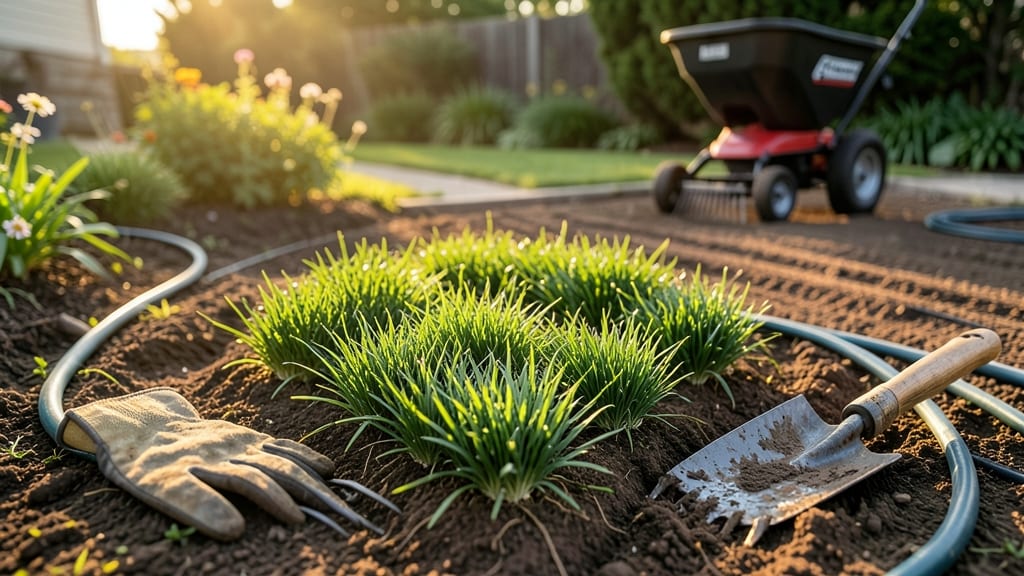
Planting Bermuda Grass 🌱 in Phoenix isn’t just about throwing seeds into the dirt—it’s about outsmarting the desert’s brutal heat and timing your move perfectly.
The wrong window means battling weeds or weak roots that never survive summer’s intensity, while the right timing gives your lawn the strong foundation it needs to thrive.
Most gardeners assume spring is the best time, but Phoenix’s extreme heat actually demands a different approach. You’ll want to plant when soil temperatures hit 85°F+, which typically means waiting until late May or early June.
This ensures your Bermuda Grass establishes deep roots before the real summer heat kicks in.
Why does timing matter so much? Because Bermuda Grass grows aggressively once it gets going, but it needs a head start to compete with weeds and drought.
I’ll break down the exact months that work best in Phoenix’s USDA Zone 9b, plus soil prep tips and watering strategies to set your lawn up for success.
Ready to skip the guesswork? Let’s dive into the science-backed window that’ll give you a lush, heat-resistant Bermuda Grass lawn—without the trial and error.
Optimal planting months for Bermuda grass in Phoenix’s extreme heat
Phoenix’s 110°F+ summers and low humidity demand precise timing for Bermuda grass planting. Unlike cooler climates, spring planting is risky—weeds outcompete young grass before roots establish. The perfect window is late May to early July, when soil temps hit 85°F+ and monsoon rains begin.
Bermuda grass thrives on heat stress once established, but seedlings need consistent moisture to survive. Planting too early (March-April) risks weed smothering, while waiting until August may delay root growth before winter dormancy. Phoenix’s microclimates (urban vs. desert edges) can shift ideal dates by 1-2 weeks.
Soil temperature is your best guide: Use a soil thermometer to confirm 85°F+ at 4-inch depth. In Phoenix, this typically aligns with late May in urban areas and early June in desert outskirts. Seed germination slows below 75°F, so avoid planting before this threshold.
Phoenix Bermuda Grass Planting Timeline
| Stage | Action | Soil Temp | Notes |
|---|---|---|---|
| Prep Soil | Test pH (6.0-7.5), amend with sand | 70°F+ | April-May |
| Plant Seeds | 1/4" deep, 10-15 seeds/sqft | 85°F+ | Late May-Early July |
| Germination | Water 2x daily (20 mins) | 90°F+ | 7-14 days |
| Establishment | Reduce water to daily | 100°F+ | 6-8 weeks |
| Summer Care | Mow at 1-1.5" | 110°F+ | July-October |
Phoenix’s monsoon season (July-September) provides natural irrigation, but young Bermuda grass needs supplemental watering until roots reach 4-6 inches deep. A deep-and-infrequent approach (1-1.5 inches per week) prevents shallow roots that brown in heat. Avoid evening watering—fungus thrives in nighttime moisture.
Urban Phoenix areas like Scottsdale and Tempe experience heat islands with 5-10°F higher temps than desert edges. Adjust planting by 1-2 weeks earlier for these zones. Shade cloth (30-50%) can help seedlings in partial shade areas, but full sun is ideal for drought-resistant varieties.
If you miss the May-July window, consider sod installation in early August—established sod recovers faster than seeds. However, sod requires immediate daily watering for the first 2-3 weeks to prevent drying. Fall planting (September-October) is possible but risks winter dormancy before roots strengthen.
Pro tip: Pre-irrigate the soil 24 hours before planting to create a moist seedbed. This reduces initial watering stress and encourages faster germination in Phoenix’s dry air. Use a rain gauge
Optimal planting months for Bermuda grass in Phoenix’s extreme heat
Phoenix’s triple-digit temperatures demand precise timing for Bermuda grass—plant too early, and weeds steal the show. Too late, and your lawn won’t survive the 110°F+ heat waves.
The ideal window is late May to early July, when soil temperatures hit 85°F+ consistently. This timing lets the grass establish deep roots before summer’s peak intensity.
Bermuda thrives in USDA Zone 10a-11, where winters are mild but summers are brutal. Unlike cool-season grasses, Bermuda goes dormant in winter, so spring planting is a gamble. The 6-8 week window ensures roots grow 3-4 inches deep before extreme heat stress begins.
Think of it as a heat race—your grass needs to win before the real summer starts.
Here’s the critical timeline for Phoenix’s microclimates: North Phoenix (cooler) can plant 1-2 weeks earlier than South Phoenix (hotter). Avoid planting in April—soil temps may still fluctuate, and weeds like crabgrass will outcompete your seedlings. Timing is everything when the sun doesn’t let up.
| Stage | Action | Soil Temp (°F) | Phoenix Microclimate |
|---|---|---|---|
| Pre-Planting Prep | Test soil pH (6.0-7.0) | 70°F+ | All zones |
| Planting Window | Sod or seed (late May) | 85°F+ | North Phoenix: May 20 |
| Root Establishment | Deep watering (2x/day) | 90°F+ | South Phoenix: June 5 |
| Peak Heat Prep | Reduce watering (deep soaks) | 100°F+ | All zones |
Once planted, Bermuda grass enters its fastest growth phase in June-July, when temperatures are highest. This is when you’ll see 3x faster root expansion compared to spring planting.
However, overwatering now can drown roots—stick to deep, infrequent watering (1-1.5 inches per week). Think of it as training your lawn to handle Phoenix’s drought conditions.
By August, your Bermuda should be fully established, ready to handle 115°F+ heat with minimal stress. The key is consistent moisture during those first 6-8 weeks. Skip the sprinkler schedule—Bermuda hates shallow roots. Instead, water deeply 2-3x per week to encourage deep root penetration.
Pro tip: Use a soil thermometer to monitor temps—Bermuda seeds won’t germinate below 65°F, and sod struggles below 75°F. Phoenix’s desert soil heats up fast, so planting too early in May risks weak germination.
Wait for that 85°F+ trigger, and your lawn will thank you with lush, heat-resistant growth all summer. 🌱