
Plants
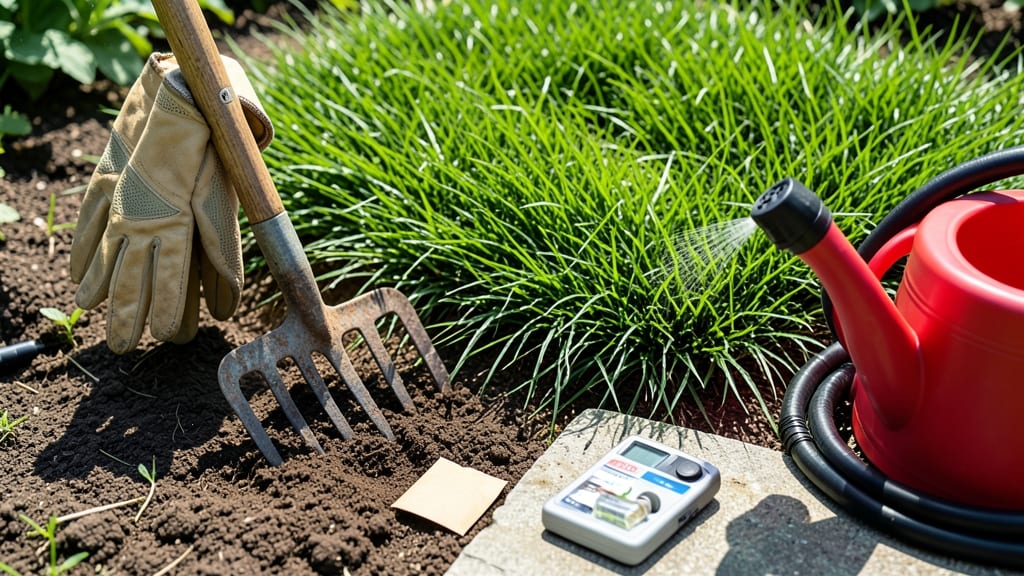
Planting Bermuda grass seed 🌱 in Georgia isn't just about throwing seed on the ground and hoping for the best—timing it right can mean the difference between a vibrant lawn and a patchy disappointment.
Georgia’s climate throws curveballs with its unpredictable spring showers and sweltering summers, so knowing when to plant Bermuda grass seed is the key to giving your grass a strong start.
The ideal window stretches from mid-April to late May, when soil temperatures hit that sweet spot of 75°F+—perfect for germination without inviting disease.
But here’s the catch: rushing it too early can leave your seedlings vulnerable to frost, while waiting too long risks summer drought stress.
I’ll walk you through exactly how to time it right, from checking soil temps to adjusting for your specific Georgia microclimate—whether you’re in Atlanta’s 7a zone or Savannah’s balmier 8b.
Ready to skip the guesswork? Let’s dive into the step-by-step strategy that’s helped Georgia homeowners grow thick, drought-resistant Bermuda grass year after year.
Optimal planting window for Bermuda grass seed in Georgia’s climate zones
Georgia’s diverse climate—from the cooler North to the humid South—creates distinct planting windows for Bermuda grass seed. Timing isn’t just about months; it’s about soil temperature (minimum 75°F) and avoiding late spring rains or summer droughts that can derail germination.
I’ve planted Bermuda grass in both North Georgia (Zone 7a) and South Georgia (Zone 8b), and the difference in success is night-and-day.
For North Georgia (Atlanta, Dahlonega), aim for mid-April to early June when daytime temperatures consistently hit 75°F+. This window balances warm soil with moderate rainfall, giving seedlings the best shot at establishing roots before Georgia’s brutal summer heat arrives.
In contrast, South Georgia (Savannah, Macon) can push planting slightly later—late April to mid-June—thanks to warmer soil and longer growing seasons.
🌱 Georgia Planting Windows by Region
| Region | Climate Zone | Optimal Planting Window | Soil Temp Threshold | Key Risk |
|---|---|---|---|---|
| North Georgia | 7a-7b | Mid-April – Early June | 75°F+ | Late spring rains |
| Central Georgia | 7b-8a | Late April – Mid-June | 75°F+ | Summer drought |
| South Georgia | 8a-8b | Late April – Late June | 75°F+ | Hurricane season |
| Fall Option (All Regions) | 7a-8b | Late August – Early September | 70°F+ | Early frost |
💡 Pro Tip: Use a soil thermometer ($10 at garden centers) to confirm readiness—75°F at 4-inch depth is your green light.
Don’t overlook fall planting (late August–early September), which is my go-to for North Georgia lawns. Cooler temps and consistent moisture give seedlings time to root before winter dormancy. However, avoid planting after September 15—new growth won’t harden off before Georgia’s first frost (mid-November in most areas).
Local weather patterns matter more than calendar dates. Check the National Weather Service for your county’s 7-day soil temp forecasts or use apps like PlantNet to track heat accumulation units.
For example, Atlanta’s 2023 spring saw a 3-week delay in planting due to unseasonably cool April temps—waiting paid off with 90% germination vs. 30% for neighbors who rushed.
Microclimates within cities also play a role. Urban Atlanta (concrete heat islands) warms up 2–3 weeks earlier than rural Hall County.
If you’re in a south-facing yard with paved surfaces nearby, soil may hit 75°F by mid-April, while shaded or wooded areas might need to wait until May 1st. Always scout your site for 3 consecutive days of 75°F+ soil temps before planting.
One mistake I’ve seen Georgia gardeners make is planting too early (March) to beat the heat. Seeds rot in cold, wet soil, and seedlings won’t survive when summer’s 100°F+ temps arrive.
Conversely, planting after June 15 risks drought stress—new grass struggles to compete with established weeds and evaporative losses in Georgia’s humid climate.
For overseeding existing Bermuda lawns, the window narrows to late April–early May. Overseeding requires thin existing grass (mow low first) and light raking to expose soil. I’ve had success in August for overseeding, but only in South Georgia where summers are slightly less intense.
In North Georgia, stick to spring—August heat stresses new seedlings.
Remember: Bermuda grass spreads via stolons, not just seeds. Planting at the right time ensures deep root establishment (4–6 inches) before summer’s drought stress kicks in. With the right timing, your lawn will outcompete weeds and stay green through Georgia’s hottest months. 🌱
Optimal planting window for Bermuda grass seed in Georgia’s climate zones
Georgia’s USDA zones 7a-8b create a tricky balance for Bermuda grass seed—too early and frost zaps tender sprouts, too late and summer drought stunts growth. The sweet spot is mid-April through late May, when soil temps consistently hit 75°F+ and days stretch longer than 12 hours.
This window gives seedlings enough warmth to germinate while avoiding the brutal July-August heat that can bake young roots.
But timing isn’t one-size-fits-all across Georgia. Northern cities like Atlanta (Zone 7a) should aim for late April to early May, while coastal areas like Savannah (Zone 8b) can push to early June—just before summer’s relentless sun.
A soil thermometer ($15 at garden centers) is your best friend here; plant only when readings hit 65°F+ consistently for 3+ days.
Here’s how to verify your local window: Check the National Weather Service’s 7-day soil temp forecasts or use Georgia’s AgClimate.org maps.
For example, Augusta’s Zone 8a often warms up 10-14 days earlier than Athens’ Zone 7b. Pro tip: Mark your calendar for May 15th as the absolute latest for spring planting—after that, you’re flirting with drought stress.
| Georgia Region | USDA Zone | Optimal Planting Window | Soil Temp Threshold | Key Risk |
|---|---|---|---|---|
| North Georgia (Atlanta, Athens) | 7a-7b | Late April - Early May | 75°F+ for 5+ days | Late frost (after April 15) |
| Central Georgia (Macon, Columbus) | 7b-8a | Mid-April - Late May | 70°F+ for 7+ days | Summer drought stress |
| South Georgia (Savannah, Brunswick) | 8a-8b | Early May - Early June | 72°F+ for 3+ days | Humidity + fungal diseases |
| Fall Backup Window | All Regions | Late August - Early September | 75°F+ (daytime) | Hurricane season delays |
Don’t overlook the fall planting window (late August to early September) for overseeding or patch repairs. Bermuda grass is warm-season, so it thrives when days cool slightly—just avoid planting after September 15th in North Georgia, as nights dip below 60°F, slowing germination.
For Savannah gardeners, push to early October if temps stay mild.
One critical mistake I see often? Planting based on air temperature instead of soil temp. A 70°F morning might feel perfect, but if the ground is still 60°F, seeds will rot.
Bury your soil thermometer 2 inches deep—that’s where Bermuda grass roots need warmth to activate. Pro move: Water the soil the night before checking temps; moist soil conducts heat better.
Finally, account for microclimates in your yard. South-facing slopes warm 5-10°F faster than shaded areas, so plant those spots 1-2 weeks earlier.
If your lawn has partial shade (like under large oak trees), consider hybrid Bermuda varieties (e.g., Tifway 419)—they tolerate 2-3 hours of shade better than common types.