
Plants
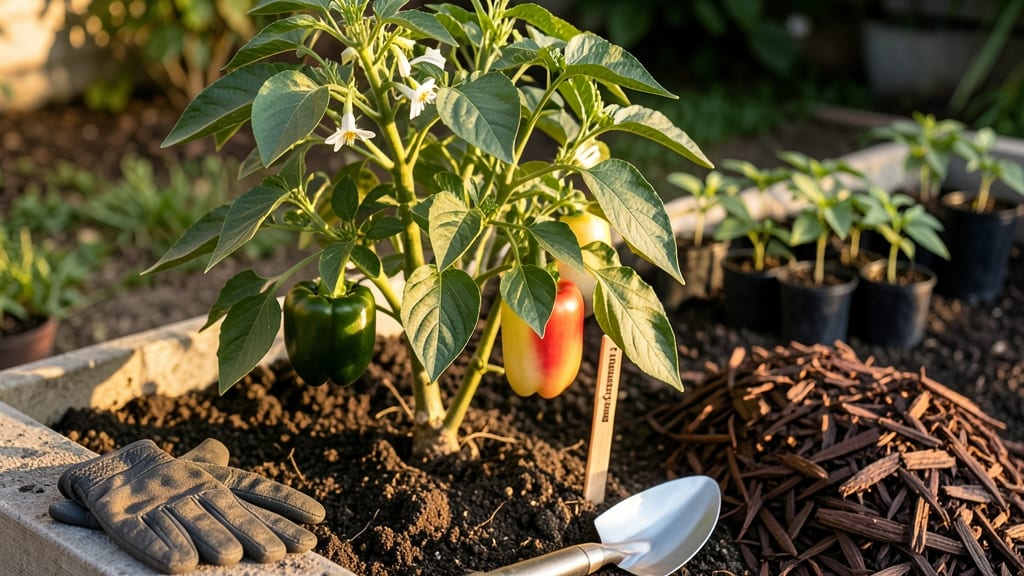
Planting your 🌶️ bell peppers at the wrong time in California can mean the difference between a bountiful harvest and wasted effort—especially when coastal and inland zones behave like two different climates.
If you're in USDA zones 9-10, you might think frost is a distant worry, but inland valleys still face chilly nights that can stall young plants.
The key is timing: coastal gardeners can start as early as February, while inland growers should wait until March or April when soil warms to 60°F or higher.
I’ve tested these strategies across California’s microclimates, and the results speak for themselves—faster growth, fewer pests, and peppers that ripen just in time for summer salads. Whether you’re sowing seeds indoors or planting directly, I’ll break down the exact windows and tricks to maximize your yield.
Ready to turn your garden into a pepper powerhouse? Let’s dive into the heat zone map that’ll guarantee zero-frost stress and a harvest that lasts from June through October.
California bell pepper planting dates by heat Zone (frost-free guarantee)
California’s bell pepper planting success hinges on understanding your heat zone—whether you’re in frost-free coastal areas like San Diego or inland valleys like Sacramento. The state spans USDA zones 7-11, meaning your ideal planting window varies dramatically.
For coastal regions (zones 9-10), you can start as early as February, while inland areas (zones 7-9) should wait until March or April.
Key to timing is your last frost date, though coastal areas rarely experience frost. Inland valleys may see light frosts in December or January, so plan accordingly.
Soil temperature is equally critical—bell peppers thrive when soil reaches 60°F (15°C). Use a soil thermometer to confirm readiness before planting.
Here’s how to match your location to the perfect planting window:
| Heat Zone | Region Examples | Ideal Planting Window | Soil Temp Requirement | Notes |
|---|---|---|---|---|
| Zone 9-10 (Coastal) | San Diego, Santa Barbara, Monterey | February–March | 60°F+ (always frost-free) | Long growing season; can plant twice yearly |
| Zone 8 (Central Valley) | Sacramento, Fresno, Bakersfield | March–April | 60°F+ (light frost risk Dec-Jan) | Use row covers for early starts; black plastic mulch warms soil |
| Zone 7 (Northern Inland) | Redding, Chico, Eureka | April–May | 65°F+ (frost risk until May) | Start indoors 8–10 weeks before last frost |
| Zone 10-11 (Desert/Southern) | Palm Springs, Riverside, Imperial Valley | Year-round (avoid summer heat) | 60°F+ (shade cloth for summer) | Plant in fall or spring to escape 100°F+ summers |
For precise timing, use the USDA Plant Hardiness Zone Map or local frost-free date calculators like those from the UC Master Gardeners. Coastal gardeners can push planting to January with row covers, while inland growers should avoid planting before April 15 to dodge late frosts.
Direct sowing is best for cooler zones (7-8), but Southern California (zones 9-11) benefits from starting seeds indoors 8–10 weeks before transplanting. This gives seedlings a head start before soil warms. Use biodegradable pots to minimize transplant shock.
Pro tip: Black plastic mulch raises soil temperature by 5–10°F, accelerating growth in cooler inland areas. Lay it down 2–3 weeks before planting to maximize warmth. Pair this with drip irrigation to maintain consistent moisture—critical for pepper development.
Watch for heat stress in Southern California’s summer. If daytime temps exceed 90°F (32°C), provide afternoon shade with shade cloth (30–50%). This prevents blossom drop and ensures fruit set. Coastal areas rarely face this issue but may struggle with humidity-related fungal diseases like phytophthora.
To confirm your zone, check the UC Agriculture & Natural Resources website or use the California Climate Zones map. Adjust your planting window by 2–4 weeks if you’re in a microclimate (e.g., a valley within a coastal zone).
For example, Santa Cruz Mountains may be 2°F cooler than nearby coastal plains.
Remember: Bell peppers need 75–100 days to mature. Plant early varieties if you’re in Zone 7 to avoid first frost in January. In Zones 9–11, you can even enjoy a fall harvest by planting in August for a winter crop.
How to extend your bell pepper growing season in California (cold starts & late harvests)
California’s unpredictable coastal breezes and inland heat spikes can challenge even the most experienced gardeners. But with the right strategies, you can push your bell pepper harvest earlier or later than typical seasons. The key? Protecting young plants from cold snaps and shielding mature ones from extreme heat.
For early starts, begin seeds indoors 8-10 weeks before your last frost date. Coastal gardeners in USDA Zone 10 can plant as early as late January, while inland Zone 9 areas should wait until mid-February.
Hardening off seedlings for 7-10 days before transplanting builds resilience against sudden temperature swings.
🌱Pro Tip: Use row covers or low tunnels to create a 5-10°F warmer microclimate. These simple tools can extend your harvest window by 2-4 weeks in both spring and fall.
📌 Numbered Highlights: Season Extension Techniques
- 🌱 Start seeds indoors (8-10 weeks before last frost) using grow lights for 12-14 hours/day.
- 🌡️ Use black plastic mulch to raise soil temps 5-8°F faster in cooler inland areas.
- 🛡️ Apply row covers at night to protect from 32°F+ frosts (common in coastal valleys).
- 🌿 Succession plant every 2 weeks in spring/fall for continuous harvests (works best in Zone 9-10).
- ☀️ Provide afternoon shade in summer (use shade cloth) to prevent heat stress in Southern CA.
- 🌱 Transplant seedlings only when soil hits 60°F+ (use a soil thermometer for accuracy).
- 🌡️ Monitor nighttime temps—peppers won’t set fruit below 55°F.
For late-season success, focus on succession planting and heat management. Inland gardeners can plant a second crop in late July for fall harvests, while coastal areas may extend until mid-October. Use drip irrigation to keep roots cool and mulch heavily to retain moisture during 90°F+ days.
💡Warning: Avoid planting too late—bolting (premature flowering) occurs when days shorten. In Zone 9, stop planting after August 15 for reliable harvests.
My top recommendation? Combine row covers with black plastic mulch—this combo can add 30-45 days to your growing season. For organic gardeners, try straw mulch instead of plastic; it insulates soil while improving fertility over time.