
Plants
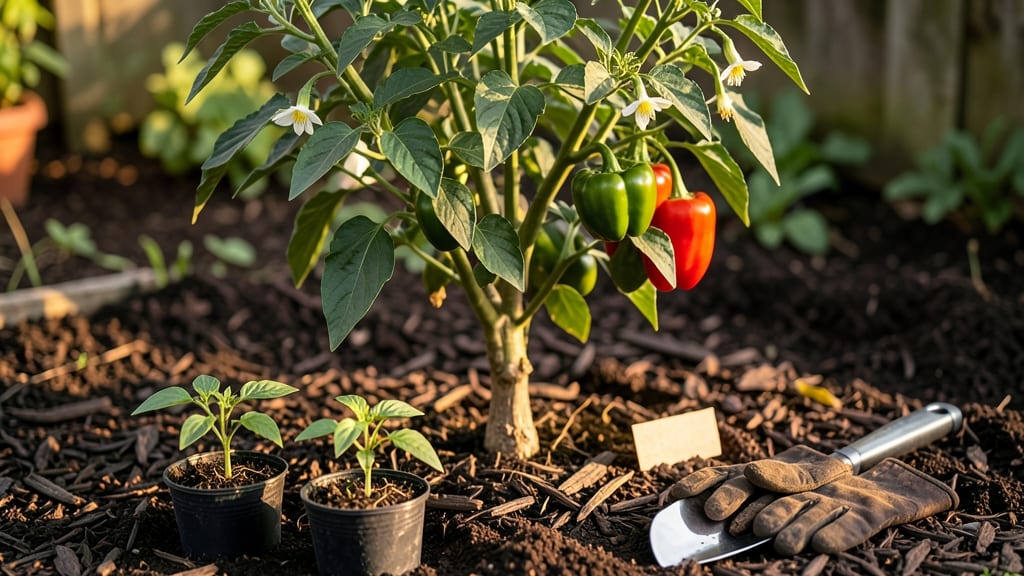
Planting your 🌶️ bell peppers at the wrong time in Arkansas can mean the difference between a thriving garden and wasted effort.
The key window—April 15 to May 15—aligns perfectly with Arkansas’ USDA zones 7a-8a, ensuring your plants avoid late frosts while still having enough time to mature before summer’s scorching heat.
Why does timing matter so much? Bell peppers are sensitive to cold snaps, and planting too early risks stunted growth or even death. But if you wait too long, you might miss the July-October harvest window entirely.
The solution? Start seeds indoors 6-8 weeks before your last frost date (around March 15 in most of Arkansas) to give seedlings a head start.
In this guide, I’ll break down exactly when to plant—whether you’re direct-sowing or transplanting—and share pro tips for Arkansas’ unique climate. From soil temperature tricks to heat-zone adjustments, you’ll learn how to maximize your harvest without guessing.
Ready to grow peppers that thrive? Let’s dive into the perfect planting schedule for your Arkansas garden.
Arkansas bell pepper planting dates by heat zone (USDA 7a-8a)
Arkansas spans USDA Hardiness Zones 7a-8a, meaning our growing seasons vary dramatically from the cooler Ozark Mountains to the warmer Delta region. Bell peppers (Capsicum annuum) thrive when planted after the last frost date, typically between mid-April and mid-May.
However, soil temperature matters more than air temperature—peppers need soil at 60°F+ to germinate properly.
In Northern Arkansas (Zone 7a), like Bentonville or Fayetteville, the last frost often lingers until April 15. Wait until May 1 to plant to avoid frost damage.
Meanwhile, Southern Arkansas (Zone 8a), such as Little Rock or Pine Bluff, can plant as early as March 20 if using row covers or black plastic mulch to warm the soil faster.
For direct sowing (planting seeds outdoors), aim for April 20-May 10 statewide. If starting transplants indoors, begin seeds 8-10 weeks before the last frost (around February 15). Transplants can go outdoors 2-3 weeks after the last frost when soil is warm.
Use this heat-zone guide to align planting with Arkansas’ microclimates. For example, Mountain Home (Zone 7a) should delay planting until May 10, while El Dorado (Zone 8a) can start as early as March 25 with protection.
Always check the Arkansas Agricultural Extension Service for your county’s local frost data.
Arkansas Bell Pepper Planting Timeline
| Zone & Region | Last Frost Date | Ideal Planting Window | Soil Temp Requirement | Notes |
|---|---|---|---|---|
| Zone 7a (Ozarks, NW AR) | April 15 | May 1–15 | 60°F+ | Use row covers for early starts |
| Zone 7b (Central AR) | April 1 | April 20–May 10 | 60°F+ | Black plastic mulch speeds warming |
| Zone 8a (Delta, SE AR) | March 15 | March 20–April 15 | 65°F+ | Early varieties recommended |
If you’re unsure about your exact last frost date, use the Arkansas Planting Calendar from the University of Arkansas Division of Agriculture. They provide county-specific frost data and adjust yearly.
For example, Fort Smith (Zone 7b) might have a 10-day later frost than Little Rock (Zone 8a) in some years.
For container gardening, plant 2-3 weeks later than in-ground dates since pots warm up more slowly. Place containers in south-facing spots and use heat mats if soil stays cool.
In Northern Arkansas, consider starter plants from local nurseries (like Arkansas Farm Bureau stores
Extreme weather is part of Arkansas gardening—late frosts in April or early heatwaves in May can disrupt planting. Monitor NOAA forecasts and have row covers ready to protect young plants. Even a single 28°F night can kill seedlings, so don’t rush planting before May 1 in cooler zones. Once planted, bell peppers need consistent warmth. Arkansas’ summer heat (90°F+) actually helps peppers thrive, but spring and fall require extra care. Use mulch to retain soil heat and drip irrigation to avoid fungal issues from overhead watering. With the right timing, you’ll harvest peppers from July through October! 🌶️
How to extend Arkansas bell pepper season with smart timing
Arkansas' unpredictable spring weather—with late frosts in April and sudden heatwaves—can make growing bell peppers challenging. But with the right strategies, you can extend your harvest window by 4-6 weeks on either end of the season.
The key is protecting young plants and managing soil warmth to match your peppers' needs.
Most gardeners focus only on the ideal April-May planting window, but Arkansas' 200 frost-free days (USDA 7a-8a) allow for earlier starts indoors and late-season extensions.
I’ve used succession planting, row covers, and cold frames to push my harvest from July into early November—here’s how you can too.
🌱 5 Proven Ways to Extend Your Arkansas Bell Pepper Season
- Start seedlings indoors 8-10 weeks before last frost (mid-January) for early transplants by April 1.
- Use black plastic mulch to warm soil 5-10°F faster than bare earth, letting you plant 2-3 weeks earlier.
- Deploy floating row covers after transplanting to shield plants from late spring frosts (common in North Arkansas until May 10).
- Try succession planting: Sow a second batch June 1-15 for a fall harvest (use fast-maturing varieties like 'Early California Wonder').
- Build a simple cold frame over late-season plants to delay frost sensitivity by 3-4 weeks in fall.
For direct sowing (skipping seedlings), wait until soil temperatures hit 70°F—typically mid-May in most of Arkansas. Use a soil thermometer (they’re cheap!) to avoid guessing.
In the Delta region, where heat arrives earlier, you can direct-sow as early as April 20, but North Arkansas gardeners should wait until May 10 to avoid frost risk.
Heat tolerance is another critical factor. Most bell pepper varieties wilt under 95°F+, but Arkansas’ summer heat often exceeds this. To combat this, I prune lower leaves to improve airflow and mulch heavily with straw to keep roots cool. Drip irrigation (not overhead) is a game-changer—it keeps foliage dry and reduces blossom-end rot, a common issue in humid Arkansas summers.
If you’re aiming for a fall harvest, focus on fast-maturing varieties (60-70 days to maturity) and plant by July 15. Use shade cloth (30-50%) during August’s peak heat to protect plants while they develop.
I’ve had success with 'Carolina Wonder' and 'Jupiter'—both handle Arkansas’ heat better than standard supermarket varieties.
Pro tip: Save seeds from your best-performing peppers for next year! Arkansas’ humid climate can stress store-bought seeds, but homegrown varieties often adapt better to local conditions. Just let peppers fully ripen on the plant, dry them, and store in a cool, dark place until next season’s planting.