
Plants
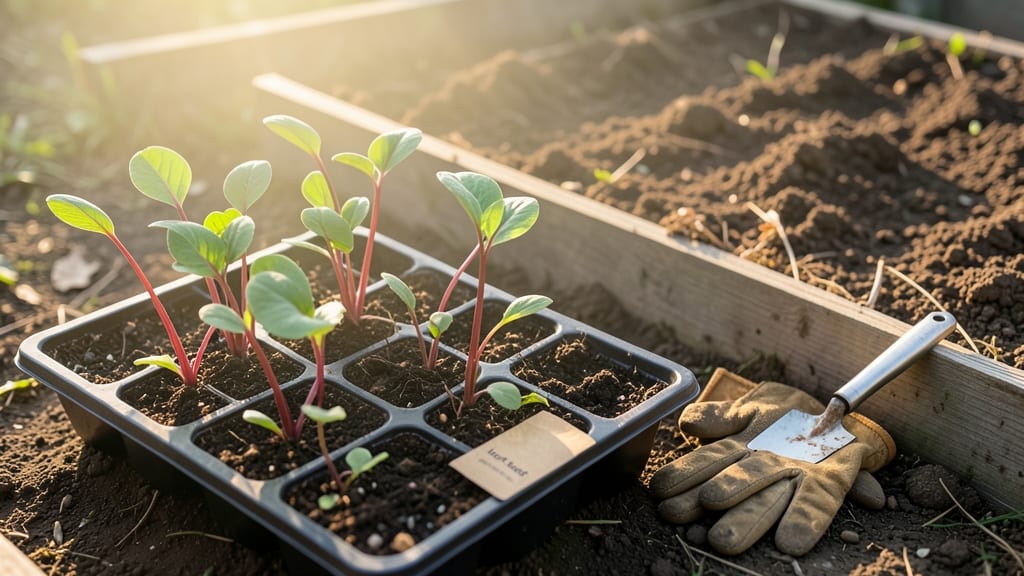
Timing your beet planting in Zone 6b can feel like a guessing game—plant too early, and you risk bolting roots; too late, and frost steals your harvest before you even taste them. The key is understanding how 🍠 beet roots develop and when your local climate actually cooperates.
In Zone 6b, where last frosts typically arrive around April 15, your best bets are early spring (March-April) or late summer (August-September) plantings. But here's the catch: soil temperature matters just as much as calendar dates.
Cold soil can stall germination, while warm spells trigger bolting—so we'll break down the exact windows that work for your region.
Whether you're a first-time gardener or a seasoned grower, getting this right means fewer wasted seeds and more sweet, earthy roots for your table. I'll walk you through the ideal planting schedule, soil prep secrets, and how to stretch your harvest through succession planting—no more missed opportunities!
Let's cut through the confusion and get your beets growing on a schedule that actually works for Zone 6b's quirks. You'll know exactly when to plant for maximum yield, and how to protect your crop from the two biggest threats: premature flowering and early frost.
Zone 6b beet planting calendar: exact dates for spring and fall success
Timing is everything when growing beets in Zone 6b. Unlike heat-loving crops, beets thrive in cool weather and bolt when temperatures rise above 75°F. In Zone 6b, your last frost date typically falls around April 15, while the first frost arrives by October 15.
This gives you two ideal planting windows: early spring and late summer.
For spring beets, start seeds indoors 4-6 weeks before your last frost (around March 1-15) or sow directly into the garden 2-3 weeks before (early March).
This ensures seedlings emerge when soil temperatures are 50-60°F—perfect for germination. Fall plantings should begin 8-10 weeks before your first frost, targeting August 1-15 to harvest before winter sets in.
🌱
| Planting Window | Zone 6b Dates | Soil Temp | Sunlight Needs | Key Tip |
|---|---|---|---|---|
| Early Spring | March 1-15 (indoors) / March 15-30 (direct sow) | 50-60°F | Full sun (6+ hours) | Use row covers if nights dip below 40°F. |
| Spring Succession | April 1-15 (every 2 weeks) | 55-70°F | Full sun | Plant bolting-resistant varieties like 'Detroit Dark Red'. |
| Late Summer | August 1-15 | 60-75°F | Full sun | Prioritize quick-maturing varieties (50-55 days). |
| Fall Harvest | September 1-October 1 | 50-65°F | Full sun | Mulch with straw to extend harvest into November. |
Succession planting is your secret weapon for a continuous beet harvest in Zone 6b. After your initial spring planting, sow new seeds every 2 weeks until May 15. This staggered approach ensures you’re always harvesting fresh beets while avoiding the bolting risk of a single massive planting.
For fall crops, focus on short-day varieties like 'Babybeat' or 'Golden' to mature before frost.
Microclimates play a crucial role in Zone 6b. If your garden sits in a low-lying area, frost may linger longer—delay spring plantings by 1-2 weeks.
Conversely, south-facing beds warm up faster, allowing earlier sowings. Always test soil temperature with a soil thermometer to confirm readiness; beets won’t germinate well below 50°F.
Direct sowing is the preferred method for beets, but if you start seeds indoors, use biodegradable pots to avoid transplant shock. Harden off seedlings for 7-10 days before transferring them to the garden.
Space seeds 1-2 inches apart and thin to 3-4 inches once seedlings have 2 true leaves. This prevents overcrowding, which leads to small, misshapen roots.
🌿
Don’t overlook fall planting—it’s often more productive in Zone 6b. Beets grown in cooler fall weather develop sweeter, deeper roots with fewer strings. Aim to harvest before temperatures drop below 40°Fcool, dark place (like a root cellar) for up to 2 weeks.
Pro tip: Mark your planting calendar with these Zone 6b milestones:
- March 15: First direct sowing
- April 15: Last chance for spring succession
- August 1: Start fall plantings
- September 15: Final harvest window before frost
📅
With this schedule, you’ll enjoy fresh beets from May through November—no gaps, no waste. The key is adapting to your microclimate and choosing the right varieties for each season. Happy planting!
How to avoid bolting: temperature and light tricks for Zone 6b beets
Beets in Zone 6b bolt when they sense long daylight hours or warm soil temperatures too early. This means your sweet roots turn bitter and flower before you harvest. The key? Control their environment with these temperature and light strategies.
First, focus on soil temperature. Beet seeds need 40-85°F soil to germinate, but roots develop best when soil stays below 75°F. Use a soil thermometer to monitor—plant when temps are 50-60°F for spring planting to avoid bolting.
For light management, young beet seedlings need 4-6 hours of sun daily. Once established, they thrive in full sun (6+ hours). However, if daytime temperatures exceed 70°F, use shade cloth (30-50%) during peak afternoon sun to prevent stress-induced bolting.
Choose bolting-resistant varieties like 'Detroit Dark Red' or 'Golden'. These tolerate wider temperature swings better than heirlooms. For a prolonged harvest, plant 'Babybeat' every 2 weeks from spring to early summer.
🌱 3 Critical Tricks to Prevent Bolting
- 1. Plant in cool soil: Wait until soil temps are 50-60°F (use a thermometer). Early March plantings often bolt if soil warms too fast.
- 2. Use shade cloth: Cover seedlings with 30-50% shade when temps exceed 75°F to reduce stress.
- 3. Succession plant: Sow new seeds every 2-3 weeks for continuous harvests and avoid bolting from aging plants.
If you notice flower stalks forming, harvest the roots immediately—they’ll still be edible, though less sweet. For fall plantings, aim for seeds in the ground by early August so roots mature before first frost (mid-October).
Finally, mulch heavily with straw or leaves to keep soil cool and retain moisture. This simple step can delay bolting by 2-3 weeks in hot Zone 6b summers. 🌱