
Plants
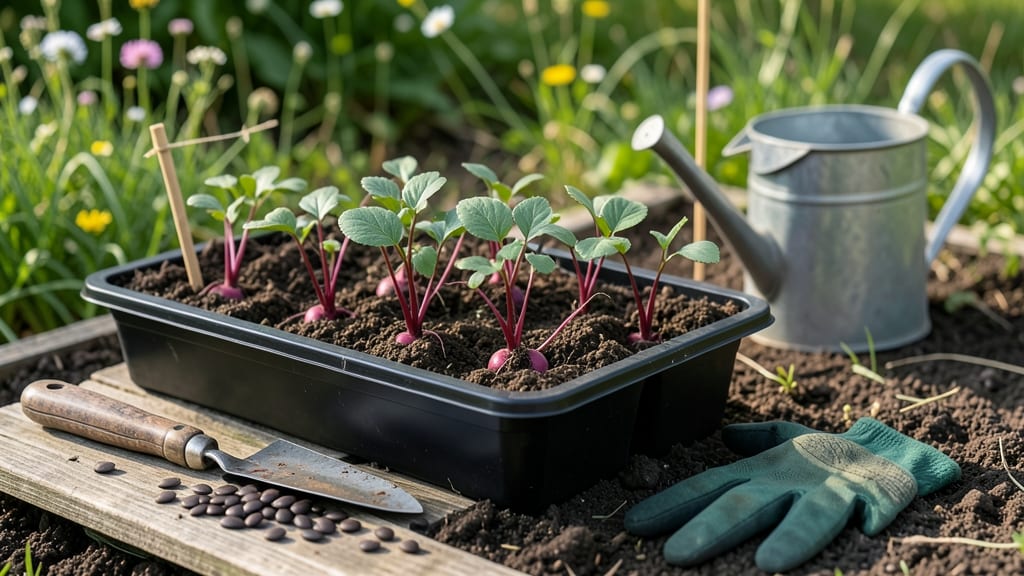
Planting beets in Zone 7a feels like a game of timing—get it right, and you'll enjoy sweet, tender roots by summer, but miss the mark, and you're left with slow germination or bitter greens.
The key isn't just the calendar; it's when the soil warms to the perfect 40°F-85°F range for fast germination.
I've learned that early spring (March-April) and late summer (July-August) are your best bets, but there's more to it than just those months. Soil temperature triggers the magic, and ignoring it can mean wasted seeds or stunted growth.
Let me show you how to read the signs and adjust your planting schedule for a foolproof harvest.
Whether you're a seasoned gardener or just starting with 🍠 beets, understanding these soil cues will save you time and frustration. We'll cover exactly when to plant for two harvests a year, plus how to handle unexpected weather or microclimates in your Zone 7a garden.
Ready for faster germination and bigger yields? Let's dive into the soil temperature secrets that make all the difference in your beet-growing success.
Optimal planting windows for beets in Zone 7a by soil temperature
Beets thrive when planted at the right time in Zone 7a, where soil temperatures fluctuate between 40°F and 85°F for optimal germination. Unlike many vegetables, beets are cool-season crops that tolerate light frost but struggle in extreme heat.
The key is planting when the soil reaches 40°F—this ensures fast germination without risking rot from cold, damp soil.
In Zone 7a, you’ll have two prime planting windows: early spring (March–April) and late summer (July–August). Spring plantings give you a harvest before summer heat sets in, while fall plantings extend your growing season into early autumn. Missing these windows can lead to bolting (premature flowering) or stunted growth.
Here’s how to align your planting schedule with soil temperature triggers for Zone 7a success:
| Planting Window | Soil Temp Trigger | Zone 7a Months | Key Considerations |
|---|---|---|---|
| Early Spring | 40°F–50°F | March–April | Plant 4–6 weeks before last frost (March 15 in Zone 7a). Use row covers if nights dip below 30°F. |
| Mid-Spring | 50°F–60°F | April–May | Ideal for succession planting. Sow every 2 weeks for continuous harvests. |
| Late Summer | 60°F–70°F | July–August | Plant 8–10 weeks before first frost (Nov 15). Choose heat-tolerant varieties like Detroit Dark Red. |
| Early Fall | 50°F–60°F | September | Risky but possible. Use black plastic mulch to warm soil and extend season. |
For spring plantings, aim to sow seeds when daytime temperatures hover around 50°F–60°F. This ensures your beets germinate in 7–14 days without rotting in cold, wet soil. In Zone 7a, this typically aligns with mid-March to early April, depending on your microclimate.
If you’re in a warmer microclimate (e.g., near a heat-retaining wall), you might start as early as late February.
If you miss the spring window, don’t despair—late summer plantings (July–August) can yield a second harvest before frost. The goal here is to get seeds in the ground when soil temps drop below 85°F (beets bolt in heat).
In Zone 7a, this usually means planting by mid-August to harvest before the first frost on November 15.
Pro tip: Use a soil thermometer to confirm temperatures before planting. Beets won’t germinate well below 40°F, and soil above 85°F can cause seeds to dry out or bolt prematurely.
Inconsistent soil temps? Try shade cloth to cool the soil in summer or row covers to warm it in spring.
In Zone 7a, succession planting is your best friend for a steady beet harvest. Sow seeds every 2–3 weeks from March through July. This staggered approach ensures you’re always harvesting fresh beets while avoiding gluts.
For example, plant one batch in early April, another in mid-May, and a final batch in late June for a continuous supply through October.
Watch out for microclimate variations in your garden. A south-facing bed warms up faster than a north-facing one, so adjust your planting dates accordingly. If your garden sits in a low-lying area, it may stay cooler longer—wait until soil temps consistently hit 45°F before planting.
Conversely, raised beds warm up quicker, so you might plant 1–2 weeks earlier than in-ground soil.
Remember, beets are biennials that store energy in their roots for next year’s growth. Planting at the right time ensures they develop sweet, tender roots instead of woody, bitter ones. With the right soil temperature triggers, you’ll enjoy a b
Optimal planting windows for beets in Zone 7a by soil temperature
In Zone 7a, beets thrive when planted during two key windows: early spring and late summer. The magic number for germination is 40°F soil temperature—any colder, and seeds rot; too warm (above 85°F), and they bolt.
I’ve learned this the hard way after watching seedlings fizzle in March’s unpredictable chill.
For spring planting, aim for March 15–April 15 when soil warms to 45–55°F. This gives roots time to mature before summer heat sets in. Meanwhile, fall planting (July–August) should stop by September 1 to ensure harvest before first frost on November 15.
| Season | Ideal Planting Window | Soil Temp (°F) | Key Notes |
|---|---|---|---|
| Spring | March 15–April 15 | 45–55°F | Plant after last frost; thin seedlings to 3–4" |
| Fall | July 15–August 15 | 55–70°F | Harvest before first frost; avoid bolting |
| Late Spring (Succession) | May 1–June 1 | 50–65°F | Sow every 2 weeks for continuous harvest |
Pro tip: Use succession planting every 2 weeks in spring for a continuous harvest. I’ve extended my beet season by 4 weeks this way! Just ensure soil stays consistently moist—beet seeds need steady hydration to germinate reliably.
Watch for bolting (premature flowering) if summer temps exceed 80°F. Shade cloth can help, but I’ve found Chioggia varieties handle heat better than Detroit Dark Red. Always prioritize well-draining soil to prevent rot, especially after heavy rains.
For container gardening, plant 2–3 seeds per 6-inch pot and thin to the strongest. I’ve grown beets in 5-gallon buckets with great success—just monitor soil moisture closely. Containers warm faster, so adjust planting dates 1–2 weeks earlier than in-ground beds.