
Plants
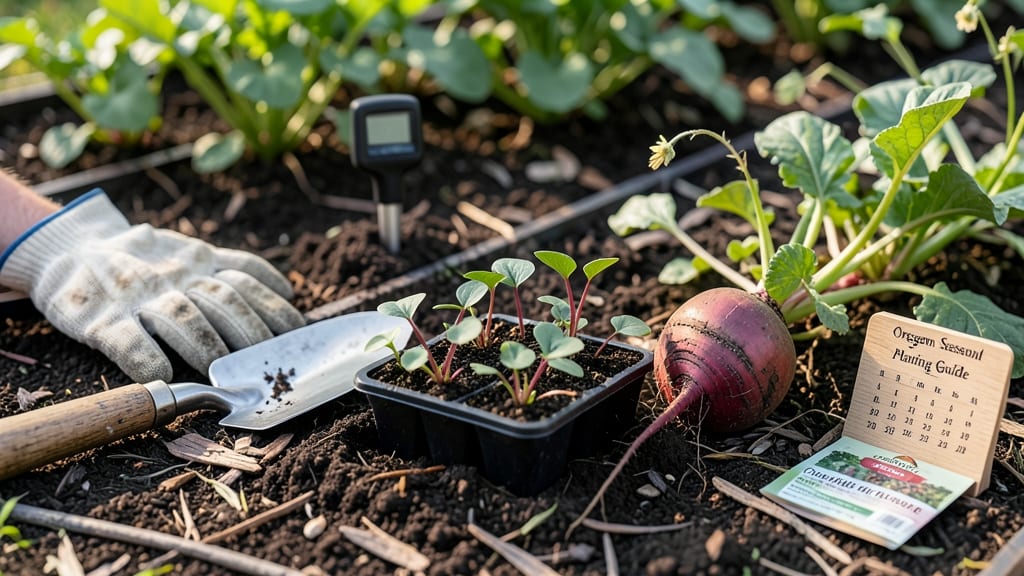
Timing your beet planting in Oregon isn’t just about the calendar—it’s about beating the unpredictable Pacific Northwest weather to grow sweet, tender 🍠 roots before the first frost. Plant too early, and you risk bolting; too late, and your harvest suffers.
The key? Two perfect windows: early spring (March-April) and late summer (July-August), when soil temperatures hover between 40-85°F—ideal for germination and growth.
If you’re in the 7b-9a zones of Oregon, coastal areas like Portland can start planting as early as February, while inland spots like Bend should wait until mid-April to avoid cold snaps.
The secret to a continuous harvest? Succession planting—sow seeds every 2-3 weeks in spring and again in late summer for fall crops that mature just before frost.
But here’s the catch: Oregon’s microclimates mean your neighbor’s schedule might not work for you. High-desert regions like the Columbia Gorge have shorter growing seasons, while the Willamette Valley enjoys longer summers.
I’ll break down exactly how to adjust your planting timeline based on your location—so you can avoid the most common mistakes that turn sweet beets into tough, woody disappointments.
Ready to unlock a garden full of vibrant, homegrown beets? Let’s dive into the exact planting schedule that’ll give you two harvests a year—no guesswork, just delicious results. You’ll learn how to time it perfectly, whether you’re a beginner or a seasoned Oregon gardener.
Best planting times for beets in Oregon’s climate zones
Oregon’s diverse microclimates—from coastal fog to high-desert heat—mean your beet planting schedule depends heavily on where you live. Most of the state falls under USDA zones 7b-9a, but elevation and proximity to the Pacific Ocean create big differences in frost dates.
For example, Portland’s last frost typically arrives by April 15, while Bend’s high-desert zone may not thaw until May 10.
Beets are cold-hardy and can tolerate light frosts, but they bolt (go to seed) when days get too long or hot. To avoid this, Oregon gardeners should focus on two planting windows: early spring and late summer.
The key is to time your plantings so roots mature before first frost (mid-October to early November) while avoiding the long daylight hours of summer that trigger bolting.
Here’s how to adapt your schedule based on Oregon’s three main regions: coastal, Willamette Valley, and high desert. Each has unique frost-free windows that dictate when to sow seeds for the sweetest, most tender beets.
| Region | USDA Zone | Last Frost Date | First Frost Date | Spring Planting Window | Fall Planting Window |
|---|---|---|---|---|---|
| Coastal (e.g., Astoria, Cannon Beach) | 8a-9a | March 1 - April 10 | October 15 - November 1 | March 15 - April 15 | July 15 - August 15 |
| Willamette Valley (e.g., Portland, Eugene) | 7b-8b | April 1 - May 1 | October 1 - October 15 | March 20 - April 30 | July 1 - August 10 |
| High Desert (e.g., Bend, La Pine) | 6b-7a | May 1 - May 15 | September 20 - October 10 | April 15 - May 10 | June 20 - July 15 |
For coastal gardeners, the mild winters mean you can start sowing beet seeds as early as February in protected beds. However, soil temperatures must stay above 40°F for germination. Use row covers or cold frames if planting in February to protect young seedlings from chilly coastal winds.
In the Willamette Valley, where most home gardeners live, aim to plant beets between March 20 and April 30 for a June-July harvest. This window ensures roots mature before the long daylight hours of summer trigger bolting.
For a fall harvest, sow seeds between July 1 and August 15 to enjoy beets in October and November before frost.
High-desert areas like Bend have a shorter growing season, so focus on late spring plantings (April 15-May 10) for a July-August harvest. Avoid summer plantings, as the intense heat and long days will cause beets to bolt quickly.
Instead, opt for fast-maturing varieties like ‘Detroit Dark Red’ (58 days) or ‘Golden’ (55 days) to maximize your harvest window.
Regardless of your region, direct sowing is best for beets—transplants struggle to establish. Scatter seeds ½ inch deep and 1-2 inches apart, then thin seedlings to 3-4 inches apart when they’re 2 inches tall. This spacing prevents crowding, which leads to small, woody roots.
Pro tip: Use succession planting every 2 weeks in spring and fall to extend your harvest. For example, if you plant your first batch on March 20, follow up with sowings on April 5, April 20, and May 5 to ensure a steady supply of fresh beets all season.
Always check your local frost dates using resources like the Oregon State University Extension Service or the National Weather Service. Adjust your schedule by 1-2 weeks if you experience an unusually early or late frost.
How to time beet planting for sweetest harvests before frost
Timing your beet planting in Oregon isn’t just about months—it’s about soil temperatures, frost dates, and succession planting to stretch your harvest. Beets thrive when soil temps hit 40°F but won’t tolerate heat over 85°F without bolting.
Here’s how to nail the perfect window for sweet, tender roots before Oregon’s first frost.
Start by calculating your last spring frost (typically late April to early May) and first fall frost (mid-October to early November). Beets need 60 days to mature, so plant your first batch 4-6 weeks before your last frost date.
For a continuous harvest, add 2-week intervals between plantings through summer.
🌱 Pro Tip: Use a soil thermometer—beets won’t germinate well below 40°F. In Oregon’s high-desert areas (like Bend), wait until mid-April for spring planting, while coastal regions (like Astoria) can start as early as February.
Adjust for elevation: higher altitudes (like Mount Hood) need later starts.
📌 Numbered Highlights: Oregon Beet Planting Timeline
- 🌱 Early Spring (March-April): Sow seeds 4-6 weeks before last frost (soil 40°F+). Ideal for Detroit Dark Red or Golden varieties.
- ☀️ Late Summer (July-August): Plant for fall harvest—aim to finish 4-6 weeks before first frost. Try Boltardy varieties for heat tolerance.
- ⏰ Succession Planting: Sow every 2 weeks through June for continuous harvests. Stop by July to avoid bolt-resistant varieties.
- 🌡️ Soil Temp Check: Wait until soil reaches 40°F in spring or below 85°F in summer. Use a thermometer for accuracy.
- ✂️ Thin Seedlings: Thin to 3-4 inches apart when 2 inches tall to prevent overcrowding and woody roots.
For fall harvests, focus on late July to early August plantings. Beets grown in cooler fall temps develop sweeter roots—just ensure they mature before first frost.
In USDA Zone 8 (e.g., Medford), you may squeeze in a second fall crop by planting in early September and using row covers to extend the season.
Watch for bolting signs: elongated stems or flowering. If temps rise above 80°F for prolonged periods, switch to shade cloth or opt for heat-tolerant varieties like ‘Cylindra’. Mulch with straw or leaves to keep soil cool and retain moisture—critical in Oregon’s dry summers.
💡 Remember: Beets store well in cool, dark conditions, so plan your planting schedule to avoid waste. A well-timed spring and fall crop can provide fresh beets from June through November—just adjust for your specific microclimate!