
Plants
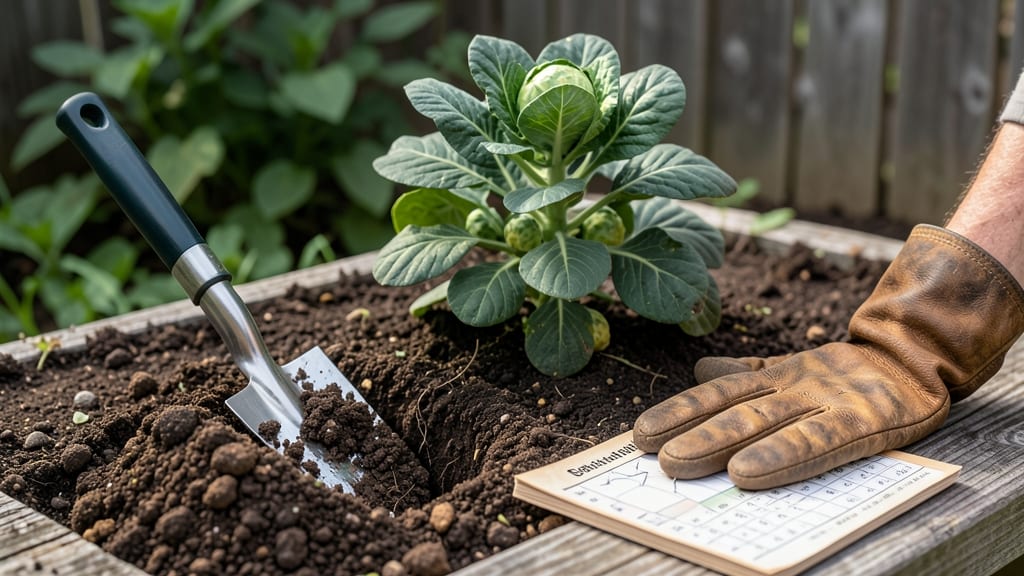
Planting Brussel sprouts 🥦 in Oregon at the wrong time means missing out on a harvest full of flavor—or worse, bitter little nubs instead of tender, sweet sprouts.
The key to success lies in understanding Oregon’s unique climate zones, where coastal areas and inland valleys have very different frost dates and growing seasons.
If you’ve ever wondered why some gardeners get perfect harvests while others struggle, timing is the game-changer. For Oregon’s 8b-9a zones, the ideal windows are mid-March to early April for spring planting or late July to mid-August for fall.
But don’t just take my word for it—this schedule aligns with the plant’s 90-day growth cycle and Oregon’s last frost dates, which can vary wildly from Portland to the High Desert.
What you’ll discover here is how to adjust for your specific microclimate, whether you’re in the rainy west or the drier east. I’ll also share pro tips for soil prep, spacing, and even how to extend your harvest season so you’re picking fresh sprouts straight through winter. Let’s get started!
Ready to grow Brussel sprouts 🥦 like a local? The right timing isn’t just about when to plant—it’s about setting yourself up for a garden that rewards you with crisp, homegrown goodness all season long. No more guesswork, just a foolproof plan tailored to Oregon’s quirks.
Best planting windows for Brussel sprouts in Oregon’s climate zones
Oregon’s diverse climate—from the cool coastal fog to the dry inland valleys—creates unique challenges for growing Brussel sprouts. Unlike warmer climates, Oregon’s USDA Zones 8b-9a and frequent fall frosts demand precise timing.
Plant too early, and your sprouts bolt; too late, and they won’t mature before winter. The key? Two planting windows: spring for summer harvests and fall for winter bounty.
For spring planting, aim for mid-March to early April in most of Oregon, aligning with soil temperatures above 45°F. Coastal areas can start slightly earlier (late February), while the High Desert may need to wait until early April.
Fall planting should occur 70-90 days before your first frost—typically late July to mid-August—to ensure mature sprouts before hard freezes.
🌱 Pro Tip: Use frost dates as your guide. Check your local USDA zone (e.g., Portland: Zone 8b, Bend: Zone 7a) and adjust by 2-3 weeks for microclimates. For example, Eugene’s slightly warmer inland zone may support a 1-week later spring planting than the coast.
| Climate Zone | Spring Planting Window | Fall Planting Window | Key Notes |
|---|---|---|---|
| Western Oregon (Coastal) | Late February - Early March | Late July - Early August | Humidity risks; use raised beds for drainage. |
| Willamette Valley (Portland/Eugene) | Mid-March - Early April | Mid-July - Mid-August | Moderate frost risk; row covers recommended. |
| Eastern Oregon (High Desert) | Early April - Mid-April | Late August - Early September | Dry soil; mulch heavily to retain moisture. |
| Southern Oregon (Medford) | Late March - Early April | Early August - Mid-August | Warmer nights; shade cloth may help. |
Soil temperature is your secret weapon for success. Brussel sprouts germinate best when soil reaches 45-50°F. Use a soil thermometer to confirm readiness—especially in cooler coastal areas.
If temperatures dip below 40°F, seeds may rot. For fall plantings, aim for soil temps between 50-60°F to avoid stunted growth.
Variety selection matters too. Early-maturing varieties like ‘Long Island Improved’ (80 days) work well for short-season areas, while ‘Ruby Ball’ (90-100 days) suits longer growing seasons. In Oregon’s High Desert, opt for dwarf varieties like ‘Corvette’ to reduce frost damage risk.
💡 Planting Hack: For extended harvests, stagger plantings every 2 weeks in both spring and fall. This ensures a continuous supply of fresh sprouts from October through December. Pair this with succession planting to maximize your garden’s potential.
Don’t overlook soil preparation. Brussel sprouts thrive in well-draining, slightly acidic soil (pH 6.0-7.0). Amend your garden beds with compost and aged manure 4-6 weeks before planting. In clay-heavy soils (common in Western Oregon), mix in sand or perlite to improve drainage.
Finally, spacing is critical. Plant seeds ½ inch deep and 1 inch apart, then thin seedlings to 18-24 inches apart when they’re 3-4 inches tall.
Overcrowding leads to bolting and disease. In small gardens, consider container growing—just ensure pots are at least 12 inches deep.
☀️ Sunlight Reminder: Brussel sprouts need 6+ hours of full sun daily. In shady Oregon gardens, supplement with a grow light or choose a sunnier spot like a south-facing raised bed.
Best planting windows for Brussel sprouts in Oregon’s climate zones
Oregon’s diverse climate—from the cool coastal regions to the warmer inland valleys—creates unique challenges for growing Brussel sprouts. These hardy plants thrive in 60-75°F soil and need 80-120 days to mature, making timing critical.
Plant too early, and you risk bolting (premature flowering); too late, and frosts stunt growth. Let’s break down the ideal planting windows for Oregon’s three key zones.
In Western Oregon (coastal and Willamette Valley), where USDA Zones 8b-9a dominate, the last frost typically occurs around April 15. This means your spring planting window opens in mid-March for early varieties or early April for slower-growing types.
For fall planting, aim for late July to mid-August—this ensures sprouts mature before first frosts in November.
For Eastern Oregon (High Desert), where hotter summers and colder winters prevail, adjust your schedule slightly. Plant spring crops in late March to avoid early heat stress, and fall crops in early August to extend the season.
The High Desert’s shorter growing season demands faster-maturing varieties like ‘Long Island Improved’ or ‘Ruby Ball’.
🌱 Oregon Planting Windows for Brussel Sprouts
| Zone | Spring Planting | Fall Planting | Key Notes |
|---|---|---|---|
| Western Oregon | Mid-March to early April | Late July to mid-August | Cooler temps; use row covers for frost protection. |
| Eastern Oregon (High Desert) | Late March to April | Early to mid-August | Hotter summers; prioritize shade cloth. |
| All Regions | Start seeds indoors 8-10 weeks before last frost. | Harvest before hard frosts (Nov 1+). | Soil temp must stay above 50°F. |
Soil temperature is your true guide—wait until the ground warms to at least 50°F before sowing. Use a soil thermometer to check, especially in cooler microclimates like the coast.
For direct sowing, plant seeds ½ inch deep and 1 inch apart, then thin to 18-24 inches between plants. This spacing prevents crowding, which leads to smaller sprouts.
Pro tip: Succession planting every 2 weeks in spring and fall ensures a continuous harvest. For example, in the Willamette Valley, plant a batch in mid-March, another in late March, and a final one in early April.
This staggered approach maximizes your harvest window from October to December.
If you’re in a warmer inland area like Bend or Redmond, consider shade cloth during summer to prevent heat stress. Even Brussel sprouts can bolt if soil temps exceed 80°F for extended periods.
Mulch with straw or wood chips to keep roots cool and retain moisture—a must for Oregon’s dry summers.
Finally, always choose cold-hardy varieties like ‘Jade Cross’ or ‘Corvette’ for Oregon’s climate. These varieties tolerate light frosts and produce sweeter sprouts in cooler weather. With the right timing, your Brussel sprouts will reward you with a flavorful, homegrown harvest that rivals store-bought—just don’t wait too long to plant!