
Plants
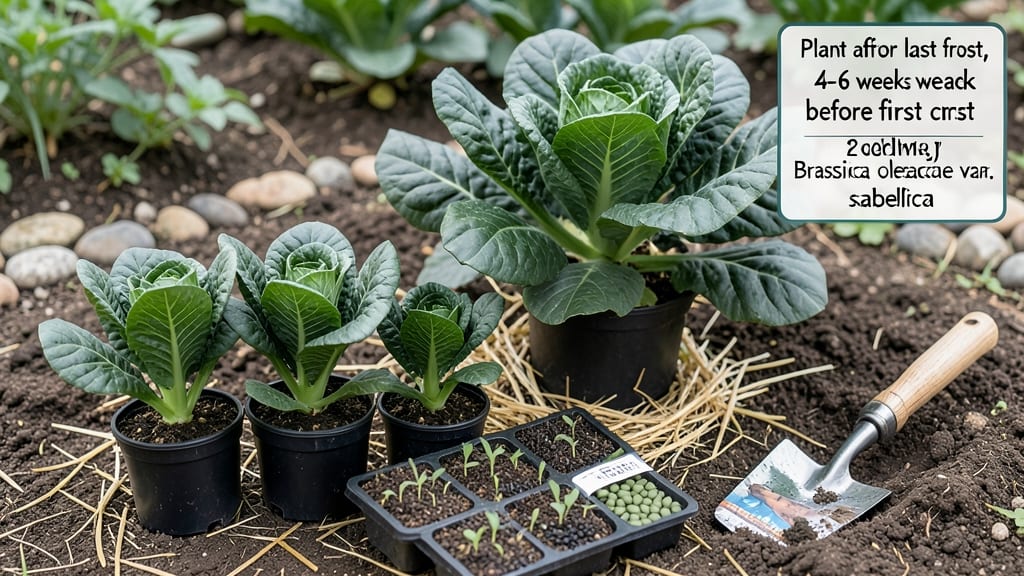
Timing your collard greens planting in South Carolina isn't just about following a calendar—it's about working with the state's mild winters and humid summers to get the sweetest, most flavorful harvest. 🥬 If you plant too early, you risk bitter leaves or stunted growth, while waiting too long means missing out on that frost-sweetened flavor everyone loves.
Here's the secret: fall planting is your golden ticket, but spring works too if you know the exact window. South Carolina's 7b-9a zones give you flexibility, but getting the timing right means the difference between a thriving garden and one that struggles.
I'll show you exactly when to start seeds or transplant seedlings for maximum success, no matter where you are in the state.
You might think collard greens are low-maintenance, but getting them in the ground at the right time is half the battle. We're talking about avoiding heat stress in summer or bolting before your first frost.
With the right schedule, you can enjoy fresh greens from late fall through winter—and even into spring—without the guesswork.
Ready to stop wasting time and effort? Let's dive into the perfect planting schedule for your South Carolina garden, so you can enjoy homegrown collards that taste better than anything you've ever bought at the store.
South Carolina heat zones for planting collard greens: best months by region
Collard greens love South Carolina’s mild winters and humid summers, but timing is everything. The state spans USDA Zones 7b-9a, meaning frost dates vary dramatically from the Piedmont to the coastal plains.
Plant too early, and your greens bolt; too late, and they struggle to mature before winter. Let’s break it down by zone so you can maximize your harvest.
Most SC gardeners focus on two planting windows: early spring (for spring harvests) and late summer/fall (for winter harvests). The key? Soil temperature and frost dates. Collards thrive when soil is 50-65°F—too hot, and they bolt; too cold, and growth stalls.
Below, I’ll map out the optimal planting months for each zone, plus first frost benchmarks to avoid bitter leaves.
🌱 Pro Tip: Use a heat zone map (like the SC Extension’s) to pinpoint your exact frost dates. Coastal areas (Zone 8a) get earlier frosts than Piedmont (Zone 7b), so adjust accordingly.
📌 Note: Coastal areas (like Charleston) often have earlier frosts than inland zones. Always check local Extension Service data for precision.
For Zone 7b (Piedmont), aim to plant March 15–April 15 for spring harvests or August 15–September 15 for fall/winter harvests. The soil temperature must stay above 50°F for seeds to germinate—use a soil thermometer if unsure.
In Zone 9a (Upstate), you can start as early as February 15, but avoid planting after August 10 to prevent bolting.
If you’re in Zone 8a or 8b, focus on late summer planting (August) for a winter harvest. These zones enjoy longer growing seasons, but collards still need cool nights (below 70°F) to sweeten properly. Use row covers if frost threatens early.
One critical mistake SC gardeners make? Planting too late in fall (after October 1) or too early in spring (before March 1). Both scenarios risk stunted growth or bitter leaves.
Instead, follow the 4-6 week rule: plant 4-6 weeks before your first frost for a reliable harvest.
For succession planting, sow new seeds every 2 weeks in spring or 3 weeks in fall. This ensures a continuous supply of tender leaves. In Zone 9a, you can even plant a second spring crop in January for a late-winter harvest before bolting.
Finally, soil prep matters. Collards prefer well-draining soil with a pH of 6.0–7.0. Amend clay soils with compost and sand to improve drainage. In coastal areas, where soil can be sandy, add organic matter like leaf mold to retain moisture.
Ready to plant? Grab your seed packets, check your heat zone, and mark those planting dates on your calendar. With the right timing, you’ll enjoy sweet, tender collards straight through winter—no bitter taste in sight! 🥬
How to extend collard green harvests: fall vs spring planting strategies
South Carolina’s mild winters and long growing season make collard greens a year-round possibility, but timing is everything. Fall planting gives you the sweetest, frost-enhanced flavor, while spring planting extends your harvest into summer.
Let’s break down the best strategies for each season to maximize your collard green yield.
For fall harvests, plant 6-8 weeks before your first frost—typically mid-August to early September in SC. This gives plants enough time to mature before cold weather sets in. In Zone 7b, aim for early September, while Zone 9a gardeners can push it to late September.
Spring planting should happen 6-8 weeks before your last frost, usually mid-February to early March. This ensures your collards are ready to harvest by late April or May, just as summer heat arrives. Spring-planted collards may bolt faster, so prioritize shade cloth in hotter months.
Fall Planting
Spring Planting
✅ Pros:
- Sweeter flavor after frost
- Longer harvest window (Oct-Dec)
- Less bolting risk in cooler temps
✅ Pros:
- Extended harvest into summer
- Avoids winter pests
- Better for container gardening
❌ Cons:
- Shorter daylight slows growth
- Pests like flea beetles are active
- Requires row covers for protection
❌ Cons:
- Bolting risk in heat
- Shorter harvest window (April-May)
- Needs shade cloth for summer
To extend your harvest, try succession planting every 2-3 weeks in fall or spring. This staggered approach ensures a steady supply of fresh leaves without overwhelming your garden.
For example, plant half your seeds in August and the other half in September—this way, you’ll have greens ready from October through December.
Protect your collards from late-season pests like cabbage worms by using row covers or neem oil sprays. In spring, watch for bolting (when plants flower prematurely) and provide afternoon shade to keep them producing leaves. Mulch heavily in fall to insulate roots and retain moisture during cooler months.
Remember, frost actually improves collard flavor, so don’t rush to harvest before a light freeze. Let the cold sweeten the leaves naturally—this is why fall-planted collards are the gold standard for SC gardeners.
With the right timing and care, you can enjoy homegrown collards for nearly half the year!