
Plants
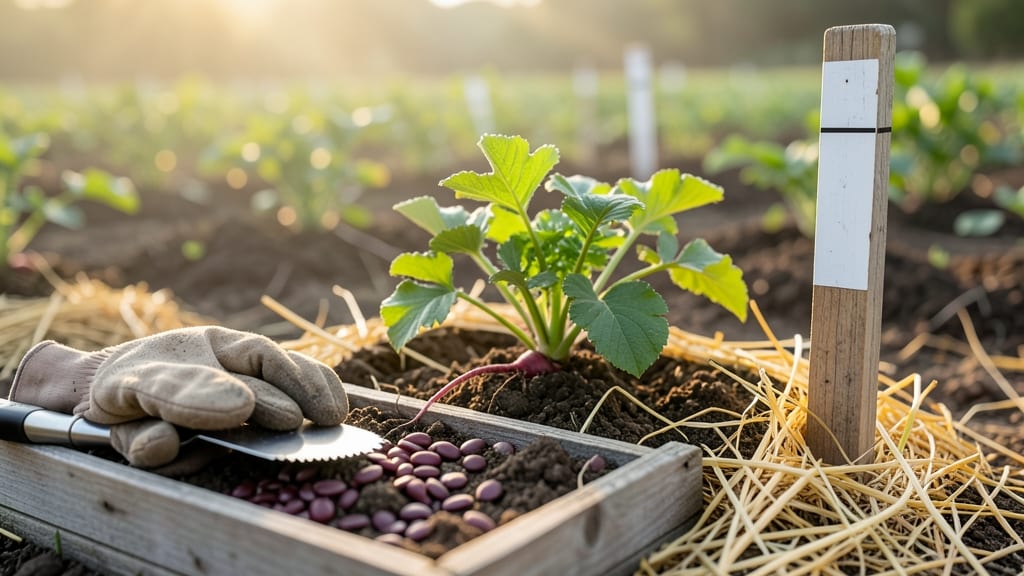
Timing your beet planting in Maine isn't just about following a calendar—it's about outsmarting unpredictable frost and short growing seasons to get those sweet, crisp 🍠 roots you crave.
If you plant too early, a late frost will wipe out your seedlings. Too late, and your harvest might arrive just as the first chill sets in.
The sweet spot? April 15 to May 15 for spring plantings and September 1 to 30 for fall, when soil temps hit that perfect 45-75°F range.
But here’s the real secret: Maine’s Zone 5-6 climate means your window is tighter than most gardening guides admit. I’ll show you exactly how to stretch it—so you can enjoy fresh beets from July straight through October.
Ready to stop guessing and start growing? Let’s dive into the frost-free window that’ll give you the most reliable harvests in your garden.
Maine’s ideal beet planting calendar: frost dates and soil temperatures
Timing is everything when growing beets in Maine. The short growing season and unpredictable frost dates mean you need to plant at just the right moment to avoid frost damage while maximizing your harvest.
Most of Maine falls under USDA Zones 4-6, where the last frost typically arrives between mid-April and early June, depending on your location.
For spring plantings, aim to sow beet seeds 2-3 weeks before your last frost date. In southern Maine, this often means starting as early as late March, while northern regions should wait until mid-to-late April.
Beets are cold-hardy and can tolerate light frosts, but soil temperatures below 45°F slow germination significantly. Use a soil thermometer to confirm the ground has warmed to at least 50°F for best results.
| Planting Window | Soil Temperature | Last Frost Risk | Harvest Window |
|---|---|---|---|
| Late March - Early April (Southern Maine) | 45-55°F (7-13°C) | High (use frost cloth) | July - Early October |
| Mid-April - Late April (Central Maine) | 50-60°F (10-16°C) | Moderate (monitor forecasts) | July - Mid-October |
| Late April - Early May (Northern Maine) | 55-65°F (13-18°C) | Low (safe after last frost) | August - Late October |
| September 1 - September 30 (Fall Planting) | 50-65°F (10-18°C) | None (harvest before frost) | October - November |
For fall plantings, start seeds in early September to ensure they mature before the first frost, which typically hits mid-to-late October in Maine.
Fall beets often develop sweeter flavors due to cooler temperatures, but avoid planting after September 15 in northern regions, as they won’t have enough time to reach harvest size before frost.
Maine’s microclimates play a huge role in success. Coastal areas like Portland or Bar Harbor often experience milder winters and earlier last frosts, while inland regions like Presque Isle may have frost lingering until June 1.
Check local frost date averages from your Maine Cooperative Extension office or use a frost calendar app to fine-tune your planting schedule.
Pro tip: If you’re unsure about frost dates, opt for cold-hardy beet varieties like 'Detroit Dark Red' or 'Golden', which tolerate cooler soils better than others. These varieties also handle Maine’s variable weather patterns more gracefully, giving you a buffer if temperatures dip unexpectedly.
Once you’ve nailed down your planting window, prepare your soil by amending it with compost or aged manure to improve drainage and fertility. Beets thrive in loose, well-draining soil with a pH of 6.0-7.0.
Avoid planting in heavy clay, which can lead to misshapen roots or bolting due to stress.
After sowing, keep seeds consistently moist until germination, which typically occurs in 7-14 days depending on soil temperature. Thin seedlings to 3-4 inches apart once they’re 2 inches tall to prevent overcrowding. This spacing ensures each beet has enough room to develop plump, tender roots without competing for nutrients.
Remember, Maine’s short growing season means every day counts. By aligning your planting with soil temperatures and frost dates, you’ll maximize your chances of a bountiful beet harvest from July through October.
With the right timing, you’ll enjoy homegrown beets that rival anything you’ve bought at the store—sweet, crisp, and full of flavor.
How to extend your beet harvest in Maine: succession planting strategies
Maine’s short growing season means you can’t afford to plant beets just once and hope for the best. Succession planting—staggering your plantings every 2-3 weeks—is the secret to enjoying fresh, sweet beets from early summer through fall.
This method ensures a continuous harvest while avoiding the heartbreak of bolting (flowering too early) or frost damage. For me, it’s all about maximizing my garden’s potential without overwhelming myself with maintenance.
Start your first planting in late April to early May, as soon as the soil reaches 45°F and can be worked without compacting. This gives you a head start on the 60-day harvest window for most varieties.
Then, every 2-3 weeks, sow another batch until mid-July. This schedule accounts for Maine’s unpredictable weather shifts and ensures you’re always harvesting mature beets before the first frost in mid-October.
For fall plantings, begin in early September—this gives beets enough time to mature before winter sets in. Choose cold-hardy varieties like Detroit Dark Red or Golden Beets, which tolerate cooler temperatures better than heat-sensitive types.
These varieties also store well in the ground if covered with straw mulch, extending your harvest into November if frost isn’t imminent.
Here’s my proven succession planting timeline for Maine gardens, broken down into simple steps to keep things manageable:
Plant your first batch when soil is 45–50°F. Use row covers if nights dip below freezing to protect tender seedlings.
Sow new seeds to replace harvested beets. Aim for 4–6 plantings total to avoid gaps in your harvest.
Start fall plantings for a second harvest. Choose bolting-resistant varieties to prevent flowering before frost.
For a winter harvest, plant hardy varieties like Chioggia or Early Wonder Tall Top. Mulch heavily to insulate roots.
When it comes to spacing and depth, consistency is key. Plant seeds ½ inch deep and 1–2 inches apart, then thin seedlings to 3–4 inches apart once they’re 2–3 inches tall.
This prevents overcrowding, which leads to small, misshapen roots—a common frustration in Maine’s dense soils. I always use a seedling dibber to mark rows, making thinning easier and more precise.
After planting, water deeply to settle the soil and encourage germination. Beets need consistent moisture, especially in Maine’s dry spells, but avoid waterlogging, which causes rot.
A drip irrigation system or soaker hose makes this effortless, and I’ve found that mulching with straw helps retain moisture while suppressing weeds. This low-maintenance approach is perfect for busy gardeners who still want a bountiful harvest.
With succession planting, you’ll enjoy fresh beets for months—from July through October—without the stress of a single, overwhelming harvest. Plus, the variety keeps your meals exciting!
Just remember: plan ahead, stagger your plantings, and choose the right varieties for Maine’s climate. Your taste buds (and your garden) will thank you.