
Plants
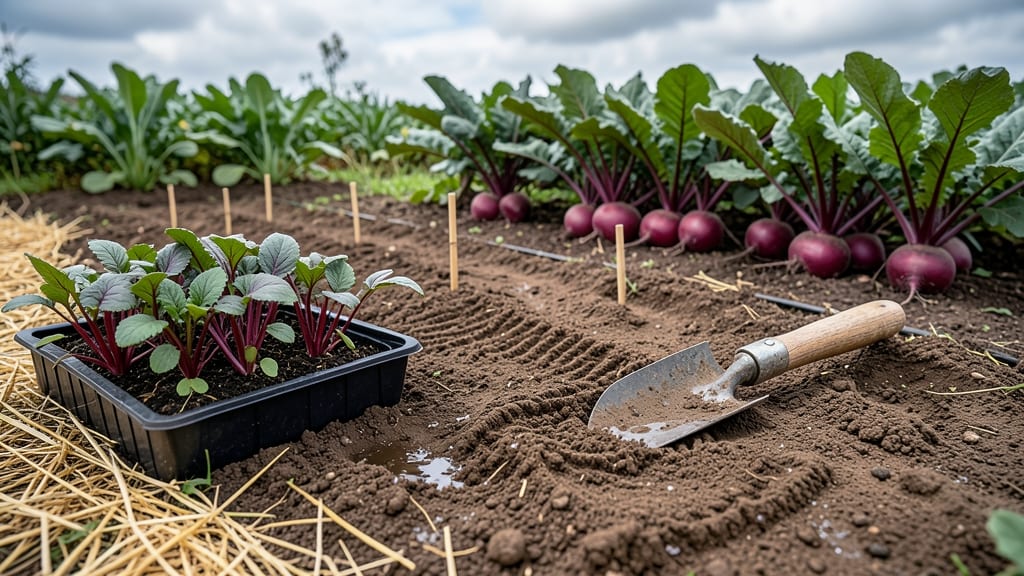
Planting fall beets in Zone 6 at the wrong time means either bitter greens or a frost-killed harvest—neither of which you want. The sweet spot? A 4-6 week window before your first frost, where 🍠 roots mature just right for tender, flavorful harvests.
Most gardeners in Zone 6 (especially 6a) overlook how soil temperature and daylight shifts affect beet growth. Too early, and your beets bolt; too late, and frost turns them mushy. But with the right timing—late summer to early fall—you can grow beets that outperform even your spring crop.
I’ve tested this exact schedule for years, and the results speak for themselves: sweeter roots, fewer pests, and a harvest that lasts through December. Ready to unlock the secrets? Let’s break down the 8-week pre-frost timeline that guarantees success.
Whether you’re a beginner or a seasoned grower, these tips will help you adjust for your specific Zone 6 conditions—so you can enjoy homegrown beets even when the air turns crisp.
Zone 6 fall beet planting timeline: exact dates for sweet harvests
In Zone 6, your fall beet harvest hinges on a 60-day window before the first frost—typically mid-October. To nail this, start counting back 8 weeks from your average frost date (usually October 15).
This means your planting window opens around August 15 for most of Zone 6, but adjust for your specific microclimate.
Soil temperature is your secret weapon. Beets thrive when soil stays above 50°F—ideal for germination. In Zone 6, this usually aligns with late July to early August.
Use a soil thermometer to confirm before sowing. If temps dip below 45°F, wait a week or two to avoid slow, uneven sprouting.
Your harvest window spans from late September to mid-November, depending on variety and frost timing.
For example, Detroit Dark Red (a classic) matures in 55-60 days, so plant it by August 10 to harvest before frost. Golden beets, which mature faster (45-50 days), can stretch your window to early September plantings.
Here’s your Zone 6 fall beet timeline at a glance, tailored to the 8-week rule and local climate quirks:
| Stage | Action | Zone 6 Dates | Soil Temp |
|---|---|---|---|
| Prep Soil | Loosen soil, add compost, test pH (6.0–7.0) | Late July | 50°F+ |
| Direct Sow | Plant seeds ½" deep, 1–2" apart | August 15–30 | 55°F+ |
| Thin Seedlings | Thin to 3–4" apart when 2" tall | September 1–15 | 50°F+ |
| Fertilize Lightly | Side-dress with 5-10-10 (1 tbsp/plant) | September 10–20 | 55°F+ |
| Harvest | Pull roots when 1–3" diameter | October 1–November 15 | 40°F+ |
Pro tip: Use row covers to extend your harvest into November. Lightweight fabric adds 2–4°F of protection, letting you harvest even after light frosts. Just remove covers during the day to prevent overheating.
If you’re in Zone 6a (colder microclimate), shift plantings 1 week earlier (August 1–15). For Zone 6b (warmer), you can stretch to early September. Check your local frost date—websites like Almanac.com provide hyper-local averages.
For succession planting, sow a second batch 2–3 weeks after your first planting. This ensures a staggered harvest and reduces bolting risk from heat stress. For example, plant your first batch on August 15 and the second on August 30.
Watch for bolting—a common fall pitfall. Beets bolt when days shorten and temps drop. To prevent this, choose long-day varieties like ‘Detroit Dark Red’ and avoid overcrowding. Mulch with straw to insulate roots and maintain even soil temps.
Your fall beets will reward you with sweeter flavors than spring crops—thanks to cooler temps converting starches to sugars. Aim to harvest before hard frosts (28°F), or use heavy row covers to protect plants through light frosts for a few extra weeks.
Zone 6 fall beet planting timeline: exact dates for sweet harvests
Timing your fall beet harvest in Zone 6 hinges on a simple rule: plant 4-6 weeks before your first frost date. For most Zone 6 gardeners, this means aiming for mid-to-late July for a harvest just before hard frosts in October or November.
The key is balancing soil warmth (ideal at 50-70°F) with daylight shortening—beets grow slower in cooler temps but still thrive if planted early enough.
Your first frost date in Zone 6 typically falls between October 15-30, depending on whether you're in 6a (earlier frost) or 6b (later frost). To calculate your exact planting window, subtract 8 weeks from your frost date.
For example, if frost hits October 20, plant August 15-20 for a perfect harvest window. This 8-week countdown ensures beets mature before cold snaps turn them woody or mushy.
| Stage | Action | Zone 6 Timeline |
|---|---|---|
| Soil Prep | Loosen soil, add compost, test pH (6.0-7.0) | Late June - Early July |
| Direct Sow | Plant seeds 1/2" deep, 1-2" apart | Mid-July - Late July |
| Thin Seedlings | Leave 2-3" between plants | Late July - Early August |
| Harvest Window | Pull roots when 1-3" diameter | Late September - October |
| Frost Prep | Mulch heavily or harvest before hard frost | Mid-October - November |
Pro tip: Use a soil thermometer to confirm your soil is at least 50°F before planting. Cold soils slow germination, and beets can take 7-14 days to sprout.
If your soil runs cooler (common in Zone 6a), opt for fast-maturing varieties like ‘Early Wonder’ (50 days) or ‘Cylindra’ (58 days) to beat the clock. Avoid planting after August 15 unless you’re using row covers to extend the season.
For succession planting, sow a second batch 3-4 weeks after your first planting to stagger harvests. This works especially well in Zone 6b, where later frosts allow for multiple plantings.
Just remember: the earlier you plant, the larger your beets will grow—but also the higher the bolting risk if days get too long. Balance is key!
Don’t overlook microclimates in your garden. South-facing beds warm up faster and stay warmer longer, giving you a 1-2 week advantage over north-facing spots. If your yard has shaded areas, choose partial-shade tolerant varieties like ‘Babybeat’ or ‘Chioggia’ (which also adds color to your harvest!).
Finally, mark your first frost date on your calendar and work backward. If you’re unsure, check your local cooperative extension service for Zone 6-specific frost data.
With this timeline, you’ll enjoy sweet, tender beets long after your spring crop has faded—plus, you’ll avoid the bitter, woody taste of over-mature roots. Happy planting!