
Plants
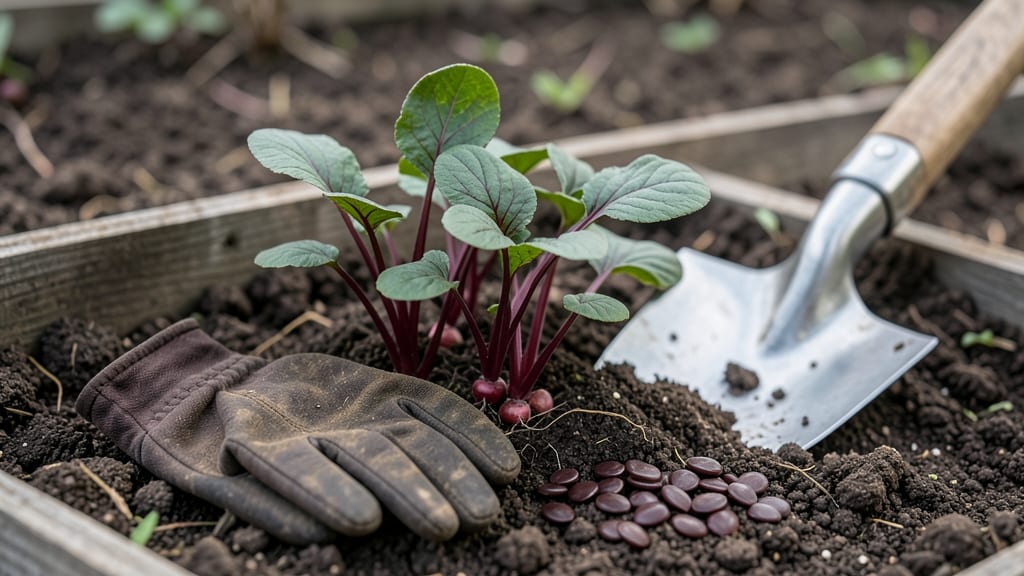
Timing your 🥕 beet planting in Colorado isn't just about following a calendar—it's about outsmarting the 5-7 zone quirks that can turn sweet roots into tough, woody messes if you're off by even a few weeks.
Most gardeners in the Front Range and Western Slope make one critical mistake: waiting too long to plant in spring or rushing fall crops when the first frost sneaks up.
But here's the game-changer—beets thrive in cool weather, and knowing exactly when to get seeds in the ground (or start them indoors) can mean the difference between a 70-day harvest of tender roots and a disappointing batch of bolted greens.
I've tested these windows across Colorado's diverse microclimates, from Denver's 7a zone to the chilly 5a mountain valleys, and I'm sharing the precise schedule that works. Whether you're a first-time gardener or a veteran grower, these insights will help you plant for continuous harvests from May through October.
Let's dive into the cold-hardy schedule that'll have your beets growing like they're in a greenhouse—even when Colorado's weather throws curveballs your way.
Best planting windows for beets in Colorado’s climate zones
Colorado’s diverse climate—from the Front Range’s mild winters to the Western Slope’s dry heat—means beet planting windows vary dramatically. Beets thrive in cool weather, making early spring and fall your best bets.
In USDA zones 5-7, aim for soil temperatures between 40°F and 80°F for optimal germination and growth. High-altitude gardens (like zone 5a) have shorter seasons, while Denver’s zone 7a enjoys a longer growing window.
For spring planting, start seeds indoors 4–6 weeks before your last frost date (typically mid-March to early April in most areas). Direct-sow outdoors once soil warms to 40°F, usually by late April or early May.
In fall, sow seeds 8–10 weeks before first frost (around mid-August to early September) to ensure harvest before hard freezes hit in October.
Here’s how to adapt your schedule based on Colorado’s microclimates:
| Climate Zone | Spring Planting Window | Fall Planting Window | Key Adjustments |
|---|---|---|---|
| Front Range (e.g., Denver, Boulder) | March 15 – April 30 | August 15 – September 15 | Use row covers for late spring; mulch for fall warmth. |
| Western Slope (e.g., Grand Junction, Colorado Springs) | April 1 – May 15 | July 15 – August 30 | Water deeply in dry heat; avoid summer planting. |
| High Altitude (e.g., Aspen, Durango) | May 1 – June 15 | July 1 – August 15 | Extend season with cold frames; thinner air slows growth. |
In zone 5a (northern mountains), focus on short-season varieties like ‘Early Wonder’ or ‘Detroit Dark Red’, which mature in 50–60 days. These varieties tolerate cooler soils and shorter daylight, making them ideal for high-altitude gardens.
For lower elevations (zone 7a), longer-season varieties like ‘Golden’ or ‘Chioggia’ thrive with 60–70 days to maturity, allowing for extended harvests.
Always check your local frost dates—Colorado’s last frost can vary by 2–3 weeks between regions. For example, Denver’s last frost is around April 15, while Grand Junction’s is closer to April 1. Use these dates to time your succession plantings every 2–3 weeks for a continuous harvest.
Pro tip: Test your soil temperature with a soil thermometer before planting. Beets germinate best in 50–85°F soil, but below 50°F slows growth significantly. If your soil is too cold, wait 1–2 weeks or use black plastic mulch to warm it faster.
For fall plantings, aim to harvest before hard frosts (below 25°F). In zone 7a, this means stopping new plantings by mid-September, while zone 5a gardens should finish by early August.
Use row covers or straw mulch to protect late-season beets from light frosts (28–32°F), which can still yield tender roots.
Colorado’s unpredictable weather means flexibility is key. If a heatwave hits after planting, provide shade cloth to prevent bolting (flowering), which makes roots woody. Conversely, cool nights in spring or fall sweeten the roots—ideal for storage varieties like ‘Detroit Dark Red’.
By aligning your beet plantings with these climate-specific windows, you’ll enjoy a long, sweet harvest from May through October, even in Colorado’s variable growing conditions. 🥕
How to extend your beet harvest season in Colorado
Colorado’s short growing season doesn’t mean you have to miss out on homegrown beets! With the right techniques, you can enjoy fresh, sweet roots from May through November. The key lies in succession planting, protective covers, and smart variety choices tailored to Colorado’s climate quirks.
Beets thrive in cool weather, making them perfect for spring and fall harvests. But by layering strategies, you can stretch your season into summer’s heat or winter’s chill. Start with early spring sowings and follow up with fall plantings—this ensures a continuous supply without gaps.
Here’s how I extend my beet harvest by 3 months longer than the average Colorado gardener:
-
1. Succession Plant Every 2 Weeks
Sow seeds in 2-week intervals from March to August. This keeps roots at harvest size while older plants mature. Use shade cloth in summer to prevent bolting. -
2. Protect with Row Covers
Extend fall harvests by 6+ weeks using floating row covers or low tunnels. Remove covers on warm days to prevent overheating. Ideal for high-altitude gardens (e.g., Denver, Boulder). -
3. Choose Heat-Tolerant Varieties
Opt for ‘Detroit Dark Red’ (classic, cold-hardy) or ‘Golden’ (mild flavor, bolting-resistant). For summer, try ‘Chioggia’—its striped roots mature faster in heat.
For winter harvests, plant ‘Winter Keeper’ beets in late summer (August) and mulch heavily with straw or leaves. These varieties store well in 50°F soil and can be dug as needed until January in sheltered microclimates.
My top tip? Monitor soil temps with a thermometer—beets germinate best at 40–85°F. If temps dip below 40°F, wait or use a seedling heat mat for faster sprouting. This small adjustment prevents wasted seeds in Colorado’s unpredictable springs.
With these methods, I’ve harvested beets in every season—even during Denver’s snowy Decembers. The secret? Plan ahead, protect your plants, and choose the right varieties for Colorado’s high-altitude challenges. Your taste buds (and dinner table) will thank you!