
Plants
Timing when you can plant potatoes in Colorado isn’t just a guess—it’s a calculated dance with frost, elevation, and soil warmth that can make or break your harvest.
With USDA zones 5-7 and dramatic elevation shifts, planting too early risks rot from lingering cold, while waiting too long cuts your harvest short.
I’ve grown 🥔 potatoes across Colorado’s foothills and mountains, and the difference between a bountiful yield and a wasted effort often comes down to knowing exactly when to tuck those seed potatoes into the earth.
Whether you’re in the lowlands or high country, the right window ensures your crop thrives—not just survives.
In this guide, I’ll break down the precise frost dates by elevation zone, so you can plant with confidence. You’ll learn how to adjust for early vs. late varieties, extend your growing season with simple tricks, and avoid common mistakes that leave Colorado gardeners scratching their heads every spring.
Ready to turn your garden into a potato powerhouse? Let’s get those spuds in the ground at the perfect moment—because in Colorado, timing is everything.
Colorado potato planting timeline by elevation zone: exact frost dates
Colorado’s dramatic elevation shifts—from desert lowlands to alpine peaks—mean your potato planting window can vary by 6 weeks or more. Lowland gardens near Denver (5,280 ft) have completely different frost dates than mountain farms above 10,000 ft.
To avoid frost damage or overly early sprouting, align your planting with these elevation-specific guidelines.
Most Colorado gardeners focus on three key zones: Lowlands (3,000–5,000 ft), Foothills (5,000–7,000 ft), and Mountains (7,000+ ft). Each zone has distinct last frost averages and soil warming timelines.
For example, Fort Collins (5,000 ft) typically sees its last frost around April 20, while Telluride (8,750 ft) may not clear frost until May 25.
Here’s the critical rule: Plant your seed potatoes 4–6 weeks before your area’s average last frost date. This gives tubers time to sprout before soil temperatures reach 45°F—the minimum needed for consistent growth.
Below, I’ve broken down the exact windows for each zone, plus soil temperature targets and harvest windows.
For Lowland gardeners (like those in Pueblo or Colorado Springs), start chitting your seed potatoes in late February to give them a head start. Aim to plant by March 15—any later, and you risk late blight from Colorado’s June humidity spikes.
In contrast, mountain zones (e.g., Leadville or Durango) should wait until May 1 to avoid frost heaving.
Pro tip: Use a soil thermometer to confirm temperatures. Potatoes won’t sprout reliably below 45°F, even if frost dates suggest it’s safe. In high-altitude areas, soil may stay cold longer due to shorter daylight hours and higher UV reflection from snow.
Don’t forget about second crops! In zones below 6,000 ft, you can plant a summer crop of early-maturing varieties (like Yukon Gold) in late July.
This lets you harvest before the first frost in October. Just be ready to cover plants with row fabric if a September freeze threatens.
Colorado State University Extension recommends checking local microclimates. A south-facing slope in the mountains may warm 2–3 weeks earlier than a north-facing valley. For precise data, consult the Colorado Climate Center or your county extension office.
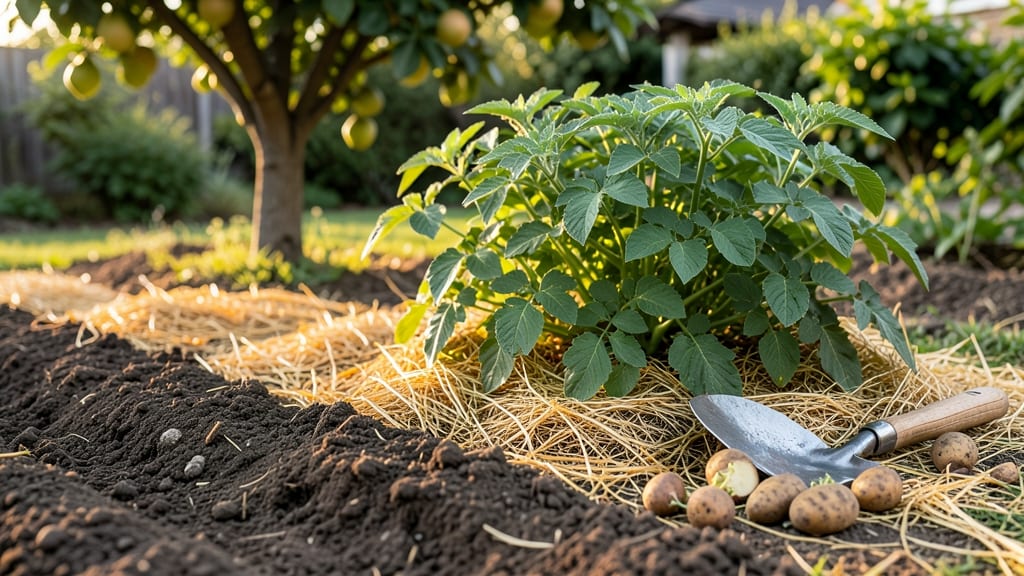
One common mistake? Planting too deeply to “protect” potatoes from frost. Instead, use straw mulch (6–8 inches) around plants to insulate soil. This keeps roots 5–10°F warmer than bare ground, extending your effective planting window by 1–2 weeks.
For container growing, add 2–3 weeks to these timelines. Pots cool faster, and roots can’t regulate temperature like in-ground soil. If you’re using black plastic mulch, plant 1 week earlier—it warms soil 5–8°F faster than organic mulches.
How to adjust your planting schedule for early vs late varieties
Colorado’s short growing season means choosing the right potato varieties is just as important as timing. Early-maturing varieties (like Yukon Gold or Red Pontiac) take 90 days to harvest, while late-maturing types (such as Russet Burbank) need 120 days—and that difference can mean the gap between a full harvest and a failed crop.
For lowland gardens (3,000–5,000 ft), I plant early varieties in mid-March to avoid frost while still capturing the full growing season. In high-altitude areas (7,000+ ft), I shift to late April or even early May to ensure the soil stays warm enough for germination.
🌱 Pro Tip: Use row covers or cold frames to extend your season by 2–4 weeks in cooler zones. This lets you plant earlier or harvest later without risking frost damage.
If you’re in USDA Zone 6 or 7, prioritize early or mid-season varieties—they’ll give you the best chance to harvest before the October frost. For Zone 5 (higher elevations), lean toward late varieties and use season extenders to protect your crop.
🌿 Key Takeaway: Match your variety to your elevation and planting window. Early varieties = earlier harvests; late varieties = bigger tubers (if you have the time). Always check your local frost dates—they can shift 1–2 weeks from year to year!