
Plants
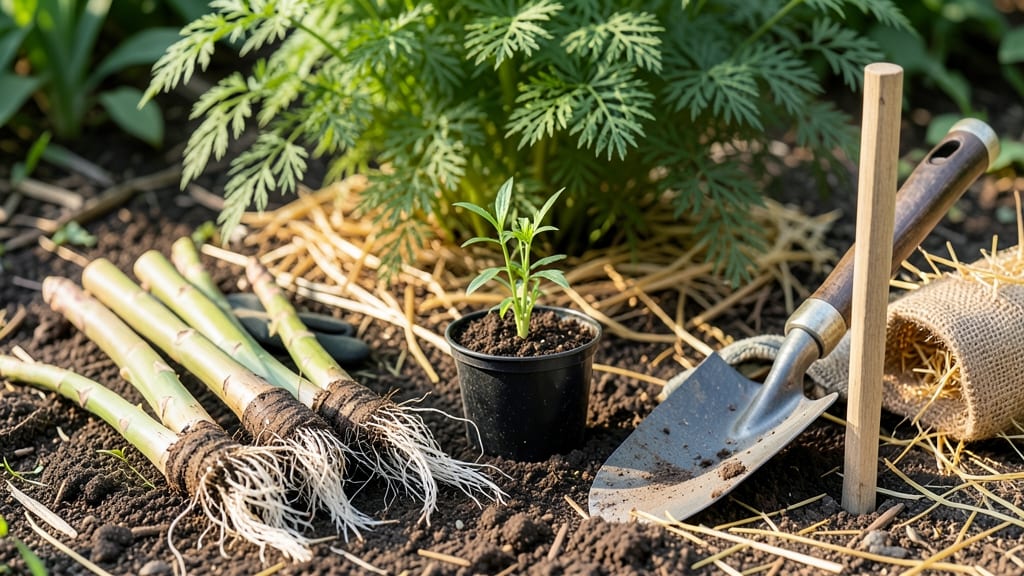
Planting asparagus in Maine isn't just about dropping crowns in the dirt—it's about timing them perfectly to survive Zone 5b-6a winters and reward you with years of harvests. The key window opens when soil warms to 50°F but before late frosts strike, usually between March and early April.
I’ve learned the hard way that rushing asparagus into cold soil means stunted growth or worse—frost damage to tender shoots. But with the right variety and a little patience, you can establish a 🌱 perennial crop that thrives even in Maine’s chilly climate.
Here’s what I’ll cover: the exact frost-free timing for your region, how to prep soil for cold-hardy varieties, and pro tips to protect young plants from late-season freezes. By the end, you’ll know exactly when to plant for maximum success.
Whether you’re a first-time gardener or a seasoned grower, these insights will help you skip the trial-and-error and get straight to harvesting those sweet, tender spears come summer.
Best planting months for asparagus in Maine’s frost zones
Timing is everything when planting asparagus in Maine. Since Maine’s Zone 4-5 climate brings unpredictable frosts, I plant crowns 2-3 weeks before the last expected frost—usually late March to early April.
This window gives young roots time to establish before soil warms, while avoiding late spring frosts that can kill tender shoots.
Coastal Maine gardens (like Portland or Bar Harbor) often see earlier last frosts (mid-April), while inland areas (like Auburn or Bangor) may wait until early May. Always check your local USDA frost date map—I use the National Weather Service for my zone’s specifics.
For seed planting, I recommend waiting until mid-May when soil temperatures consistently stay above 50°F. Seeds take longer to germinate and are far more vulnerable to frost damage than crowns. If you’re impatient, start seeds indoors in February and transplant after the last frost.
Soil temperature is critical—asparagus crowns need 40-50°F soil to root properly. I use a soil thermometer to confirm readiness. If your soil is still cold, delay planting until conditions improve. Cold soil slows root growth and increases the risk of rot.
One common mistake I see is planting too early. If you plant asparagus crowns in February, they’ll sit dormant in cold soil, wasting energy. Instead, I wait until March 15-April 15 for most of Maine, aligning with the average last frost dates.
Here’s how I adjust for Maine’s regional microclimates:
- Southern Maine (Portland, Kittery): Plant by March 20
- Central Maine (Augusta, Waterville): Plant by April 1
- Northern Maine (Presque Isle, Caribou): Plant by April 15
Always err on the side of waiting too late rather than planting too early.
🌱 Maine Asparagus Planting Timeline
| Stage | Action | Soil Temp | Maine Window |
|---|---|---|---|
| Prep Soil | Add compost, loosen soil | N/A | February-March |
| Plant Crowns | 6-8" deep, 12" apart | 40-50°F | Late March-April 15 |
| Seed Planting | Direct sow after frost | 50°F+ | Mid-May |
| Mulch | 2-3" organic mulch | N/A | After planting |
| First Harvest | Year 3, June-July | 60°F+ | Mid-summer |
If you’re planting in containers, use large pots (18"+ deep) and plant crowns 2-3 weeks earlier than in-ground plants. Containers warm up faster in spring, so I monitor soil temps closely and delay until they match in-ground conditions.
For organic gardeners, I recommend adding well-rotted manure to the planting hole. This boosts fertility without risking burn from fresh manure. I also side-dress with compost tea every 4-6 weeks during the growing season to keep roots fed.
Remember: Patience is key with asparagus. It takes 2-3 years to establish a full harvest, but once established, a healthy patch can produce spears for 15+ years. Proper planting timing ensures you’re not fighting Maine’s climate—you’re working with it.
For extra protection against late frosts, I use frost cloth over young shoots until temperatures stabilize. This simple step can mean the difference between healthy spears and frost-damaged plants in Maine’s unpredictable spring.
Best planting months for asparagus in Maine’s frost zones
Maine’s Zone 4-5 climate demands precise timing for asparagus success. Planting too early risks frost damage, while waiting too long delays root establishment. The ideal window is 2-3 weeks before your last frost date, typically late March to mid-April in most regions.
Coastal areas like Portland or Bar Harbor may see earlier frost-free dates (late March), while inland zones like Bangor or Presque Isle should wait until mid-April. Always check your local USDA frost calendar—Maine’s last frost can vary by 2-3 weeks year to year.
Soil temperature is critical: asparagus crowns need 40-50°F soil to root properly. Use a soil thermometer to verify—planting in cold soil slows growth and invites rot. In Zone 5b, aim for April 1-15; in colder Zone 4, wait until April 15-30.
| Region | Last Frost Date | Planting Window | Soil Temp Goal |
|---|---|---|---|
| Coastal (Zones 5a-5b) | Late March | March 20-April 5 | 40-45°F |
| Central (Zones 4b-5a) | April 1-15 | March 30-April 15 | 45-50°F |
| Northern (Zone 4a) | April 15-30 | April 1-15 | 50°F+ |
For crown planting (the easiest method), dig trenches 6-8 inches deep and lay crowns horizontally with roots facing down. Space trenches 18 inches apart—this gives roots room to spread. Cover with 3 inches of soil initially, then add more as spears emerge.
If starting from seeds, sow them ½ inch deep in early spring (March) in a protected microclimate. Seedlings are far less cold-hardy than crowns, so use row covers if late frosts threaten. Seed-grown plants take 2-3 years to produce spears vs. 1-2 years for crowns.
Pro tip: Mark your planting date on a garden journal to track spears’ 3-year establishment period. Patience pays off—once established, asparagus crowns live 15-20 years with proper care! 🌱