
Plants
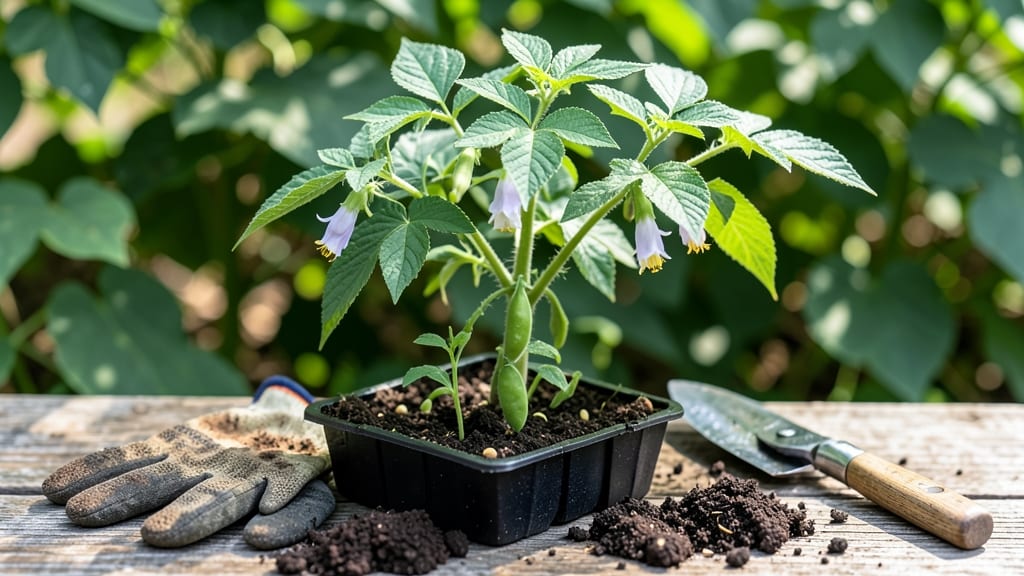
Timing your bean planting in Colorado can mean the difference between a thriving harvest and a frost-killed crop—because those unpredictable mountain springs demand precision.
Whether you're growing tender snap beans or hardy varieties like 'Mountain White', getting the seeds in the ground at the right moment is critical to avoid late frosts that strike even after Memorial Day.
Most Colorado gardeners know the general rule: wait until after the last frost, but with USDA zones 5-7 and regional variations (Denver's 5b vs. Grand Junction's 7a), those dates can shift by weeks.
The key window opens around April 15 in most areas, but high-altitude spots may need to wait until early June—so checking your local frost data is non-negotiable.
Here's what you need to know: soil temperature matters just as much as air temperature, and beans won't germinate well below 60°F.
We'll break down exactly when to plant for both spring and fall harvests, plus which cold-hardy varieties actually thrive in Colorado's short growing season—so you can maximize your 60-70 day harvest window without guesswork.
From soil prep to frost protection, I'll share the exact strategies Colorado gardeners use to stretch their bean season from June through October. Let's get those seeds in the ground at the perfect moment—because in the Rockies, timing really is everything.
Colorado bean planting zones: frost dates & best start windows by region
Colorado’s diverse USDA zones (3-7) mean your last frost dates can vary by 3-4 weeks depending on elevation. Denver’s Zone 5b typically sees its last frost around April 10, while Grand Junction (Zone 7a) warms up by March 15.
Understanding these microclimates ensures you plant beans at the perfect time for your region.
For spring planting, aim to sow seeds 2-3 weeks after your area’s average last frost date.
In high-altitude areas like Fort Collins (Zone 5a), this might mean waiting until mid-May, while lower elevations like Pueblo (Zone 6b) can start as early as April 20. Fall planting works too—sow seeds 90-100 days before your first frost, usually July 1-August 15.
Here’s how Colorado’s key regions break down for bean planting:
| Region | USDA Zone | Avg. Last Frost | Spring Planting Window | Fall Planting Window |
|---|---|---|---|---|
| Denver | 5b | April 10 | April 25 - May 15 | July 15 - August 1 |
| Fort Collins | 5a | May 1 | May 15 - June 1 | July 1 - July 15 |
| Colorado Springs | 6a | April 15 | April 30 - May 10 | July 1 - August 10 |
| Grand Junction | 7a | March 15 | April 1 - April 15 | July 15 - August 30 |
If you’re in a high-altitude garden (above 6,000 feet), like near Leadville (Zone 4), extend your planting window by 2-3 weeks later than the table suggests. These areas experience cooler soil temperatures and later frost dates, so pole beans or cold-hardy varieties like 'Mountain White' are your best bet.
For container gardening in Colorado, you can push the envelope slightly. Containers warm up faster, so you might start seeds 1-2 weeks earlier than in-ground planting. Just ensure your pots have drainage holes and use lightweight potting mix to prevent waterlogging.
Pro tip: Use a soil thermometer to confirm your soil is at least 60°F before planting. Beans won’t germinate well in cold soil, even if air temperatures are warm. In Denver or Boulder, this often means waiting until mid-May for reliable results.
Don’t forget about succession planting! In Colorado’s short growing season, you can squeeze in 2-3 harvests by sowing new seeds every 2 weeks from May through July. This works especially well for bush beans, which mature faster (in 50-60 days) than pole beans.
For fall harvests, focus on short-season varieties like 'Blue Lake' or 'Contender,' which can mature in 50-55 days. Plant these by July 1
Cold-hardy bean varieties for Colorado: top picks for early & late planting
Colorado’s variable climate demands frost-tolerant bean varieties that thrive in both early springs and late summers. While most beans prefer warmth, certain cold-hardy cultivars like 'Mountain White' and 'Black Valentine' can handle light frosts and cooler soils, giving you a head start or extended harvest.
For spring planting, focus on varieties with 45-50 days to maturity to beat Colorado’s first frost (typically mid-October). In contrast, fall planting benefits from longer-season beans that mature before winter sets in—aim for 60-70 days to harvest when sowing after July 15.
Here’s how to match varieties to Colorado’s two planting windows and maximize your harvest, whether you’re in Denver’s Zone 5b or Grand Junction’s Zone 7a.
🌱 Best Bean Varieties for Colorado
Spring Planting (April-June)
- ✅ Oregon Sugar Pod (50 days) – Cold-tolerant, sweet pods, great for early harvests.
- ✅ Blue Lake Bush (55 days) – High yield, uniform pods, loves Colorado’s sun.
- ✅ Mountain White (60 days) – Frost-resistant, classic flavor, ideal for high-altitude gardens.
🌿 Pro Tip: Plant 1-2 weeks after last frost when soil hits 60°F.
Fall Planting (July-August)
- ✅ Black Valentine (65 days) – Heat-tolerant, dark pods, perfect for late-season harvests.
- ✅ Wax Pole (70 days) – Long vines, creamy beans, thrives in short Colorado summers.
- ✅ Kentucky Wonder (60 days) – Drought-resistant, productive, great for succession planting.
🌿 Pro Tip: Sow 8-10 weeks before first frost for a fall harvest.
For pole beans, prioritize varieties like 'Kentucky Wonder' or 'Wax Pole', which climb trellises to save space in small gardens. These types are ideal for Colorado’s shorter growing season because their vertical growth maximizes sunlight exposure.
If you’re in high-altitude areas (e.g., Fort Collins or Boulder), opt for 'Mountain White' or 'Oregon Sugar Pod', which handle cooler nights better than traditional varieties. These cold-hardy beans can even tolerate light frosts if planted early under row covers.
To extend your harvest, try succession planting every 2-3 weeks from April through July. This ensures a steady supply of fresh beans from June through September, even in Colorado’s unpredictable climate. Pair your beans with corn or cucumbers for natural trellising and pest control!