
Plants
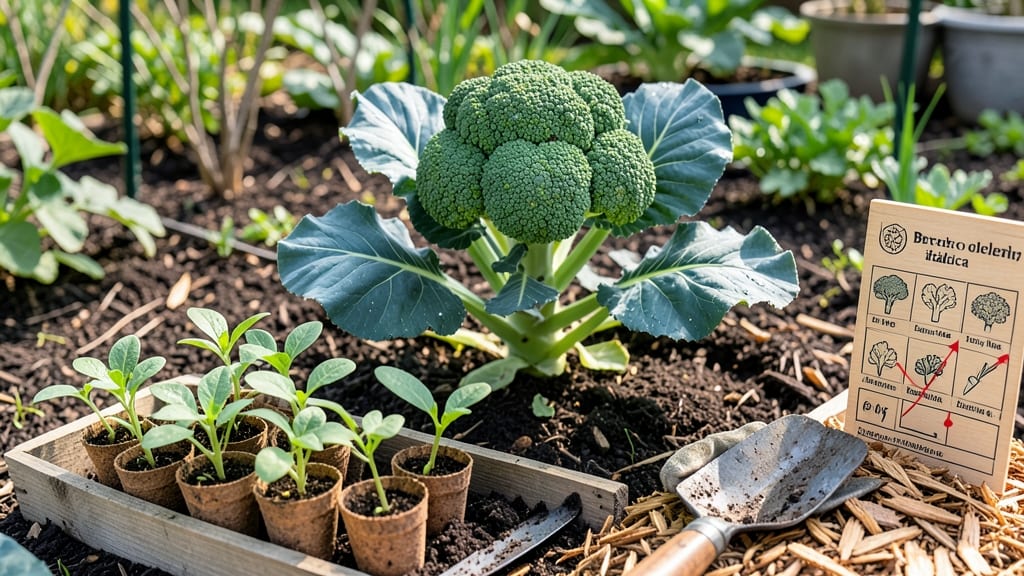
Planting broccoli 🥦 in Minnesota’s 4a-5a zones isn’t just about timing—it’s about outsmarting those early frosts and short summers. The key to a bountiful harvest lies in knowing exactly when to sow seeds or set out transplants, whether you’re aiming for a spring feast or a fall finale.
Most gardeners here make one common mistake: waiting too long in spring or planting fall crops too close to frost.
But with the right schedule—mid-April to early June for spring and late July to early August for fall—you can stretch your growing season and enjoy homegrown broccoli from July through November.
I’ve tested the best strategies over the years, and what works in Minnesota’s unpredictable climate is different from what you’ll read in generic guides. From choosing cold-hardy varieties to preparing soil just right, these proven tips will help you avoid wasted effort and maximize your yield.
Ready to grow broccoli that thrives in Minnesota’s tough conditions? Let’s break down the exact steps to plant for success, so you can enjoy fresh, homegrown 🥦 all season long.
Best planting windows for broccoli in Minnesota’s short season
Minnesota’s Zone 4a-5a climate demands precise timing for broccoli success. The key is planting 4-6 weeks before the last frost (typically mid-April to early June) or 90-100 days before the first frost (late July to early August).
This ensures a 120-150 frost-free day window, perfect for broccoli’s 60-80 day maturity.
Spring planting is ideal for early summer harvests, while fall planting extends your season into October or November. Avoid planting too early—cold soil (below 40°F) slows germination. Use row covers to protect seedlings from late frosts and extend the season.
Broccoli thrives in cool weather but struggles in summer heat. In Minnesota, late July to early August is the last safe window for fall planting. After that, heat stress can stunt growth or cause bolting (flowering too early).
Soil temperature is critical: aim for 45-85°F for germination and growth. Use a soil thermometer to monitor—below 40°F delays sprouting, while above 85°F triggers bolting. In Minnesota, this means waiting until soil warms in spring and planting early in fall.
For direct sowing, start seeds indoors 4-6 weeks before your last frost date, then transplant seedlings outdoors. For transplants, buy cold-hardy varieties from nurseries and plant them 2-3 weeks before the last frost. This gives seedlings time to establish roots before summer heat arrives.
Heat tolerance varies by variety. Some, like ‘De Cicco’, handle 75°F better than others. If temperatures climb above 80°F for extended periods, provide shade cloth (30-50%) to protect plants and maintain consistent moisture.
Minnesota’s unpredictable frosts can derail your broccoli. Use frost cloth or low tunnels to shield seedlings in spring and fall. These simple tools can add 4-6°F protection, buying you extra time to harvest before winter sets in.
Timing isn’t just about frost—it’s also about soil preparation. Amend your garden beds with compost or aged manure in late winter or early spring to enrich soil before planting.
Broccoli prefers well-draining, slightly acidic soil (pH 6.0-7.0), so test your soil in fall or early spring and adjust with lime or sulfur as needed.
Pro tip: Plant successive crops every 2-3 weeks in spring and fall to stagger harvests. This ensures a continuous supply of fresh broccoli from July through November, even in Minnesota’s short season.
🌱
| Planting Window | Best For | Soil Temp | Frost Risk | Harvest Time |
|---|---|---|---|---|
| Mid-April to early June | Spring harvest | 45-65°F | Late frosts | July - September |
| Late July to early August | Fall harvest | 50-70°F | Early frosts | October - November |
| Early March (indoors) | Transplant prep | 60-70°F (indoors) | None | April - May (transplant) |
Minnesota’s northern regions (like Zone 4a) have later frost dates than the south (e.g., Zone 5a). Check your local USDA Plant Hardiness Zone and frost date averages—resources like the Minnesota State Climatology Office provide county-specific data.
Adjust your planting schedule 1-2 weeks earlier in northern areas to account for cooler soils.
If you’re in southern Minnesota, you might squeeze in a third planting in early June for a late-summer harvest. However, this is risky due to heat stress. Instead, focus on two strong
Best planting windows for broccoli in Minnesota’s short season
Minnesota’s cool climate and short growing season demand precise timing for broccoli success. The key is planting 4-6 weeks before the last frost (typically mid-April to early June) or 90-100 days before the first frost (late July to early August).
This ensures your broccoli matures before fall frosts hit in September-October.
Spring planting gives you a summer harvest (July-September), while fall planting extends your yield into October-November. Both windows rely on consistent soil temperatures above 40°F—critical for germination and growth. If you miss these windows, consider container gardening for later starts.
For direct sowing, aim for soil temperatures between 40-50°F—too warm, and seeds may rot. If starting transplants indoors, begin 6-8 weeks before the last frost to harden off seedlings before outdoor planting. Always choose a sunny, well-draining spot with rich, slightly acidic soil (pH 6.0-7.0).
Watch for heat stress in late summer—broccoli bolts (prematurely flowers) when daytime temps exceed 80°F. To avoid this, opt for shade cloth or late-summer succession planting of faster-maturing varieties like ‘De Cicco’. Mulching with straw or compost also helps regulate soil temperature.
Pro tip: Use frost blankets or low tunnels to extend your fall harvest by 2-3 weeks. These simple tools protect tender heads from light frosts (28°F) while allowing plants to continue growing. Just remove covers on sunny days to prevent overheating.
Timing is everything in Minnesota’s climate—get it right, and you’ll enjoy homegrown broccoli from summer through early winter. Start with these windows, and your garden will thank you with bold, flavorful heads all season long. 🌱🥦