
Plants
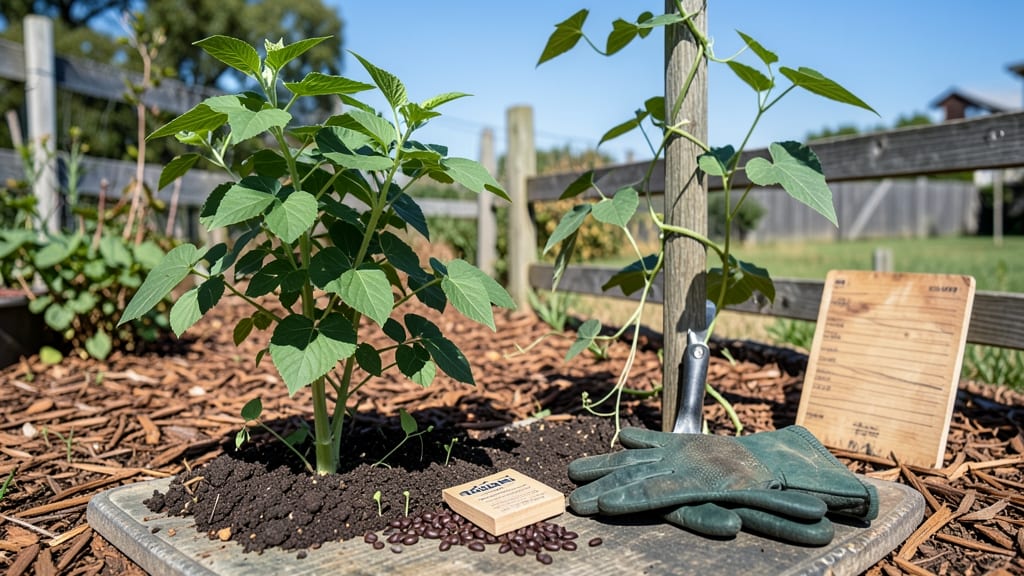
Planting beans in Missouri isn't just about dropping seeds in the dirt—it's about catching that 30-day window between last frost and scorching summer heat. Miss that mark, and you might end up with stunted plants or a harvest too late for fresh eating.
The key to success lies in understanding your specific zone (5b-6b) and adjusting for microclimates that can shift ideal timing by weeks.
I've learned the hard way that Missouri's unpredictable spring weather demands precision. Whether you're growing bush beans for quick harvests or pole varieties for steady production, timing matters more than most gardeners realize.
With the right strategy, you can extend your growing season and enjoy fresh beans from July through September—no matter where you are in the state.
Let me show you exactly when to plant for maximum yields, including how to adjust for urban heat islands or cooler mountain valleys. We'll cover soil prep, spacing tricks, and even how to squeeze in a second planting for fall harvests.
Ready to turn your bean patch into a productivity powerhouse?
From St. Louis to the Ozarks, these Missouri-specific deadlines will help you avoid common mistakes and get the most out of your 🌱 beans. Whether you're a first-time gardener or a seasoned pro, you'll walk away with actionable steps to make this your best bean season yet.
Missouri bean planting calendar: exact weekly deadlines by variety
Missouri’s USDA Zones 5b–6b mean your bean planting window is tight—get it wrong, and you’ll miss the 75-day harvest window for most varieties. The key is aligning your planting with soil temperatures above 60°F and last frost dates, which vary by region.
St. Louis averages its last frost on April 15, while Springfield holds out until April 22, and Kansas City sits right in the middle.
For bush beans, your best bet is to plant between April 20–May 10, while pole beans (which need more warmth) should wait until May 1–15. Lima beans, the slowest to mature, need to be in the ground by May 10 at the latest to avoid fall frosts.
These deadlines assume average conditions—adjust if you’re in a microclimate (like a sheltered urban garden or high-altitude Ozarks).
Here’s the breakdown you need to avoid frost damage or overripe pods:
| Variety | Planting Window | Soil Temp Requirement | Days to Harvest | Missouri Regions |
|---|---|---|---|---|
| Bush Beans (e.g., Blue Lake, Roma) | April 20–May 10 | 60°F+ | 50–60 days | All regions |
| Pole Beans (e.g., Kentucky Wonder, Rattlesnake) | May 1–15 | 65°F+ | 60–75 days | St. Louis, Kansas City |
| Lima Beans (e.g., Fordhook, Henderson) | May 10–20 | 70°F+ | 75–90 days | Springfield, Ozarks |
| Succession Planting (for extended harvest) | Every 2 weeks until June 15 | 60°F+ | 50–60 days | All regions |
Missouri’s short growing season (about 165 frost-free days) means you’ll need to plan for succession planting if you want beans from July through September. Sow new seeds every 2 weeks until June 15—this ensures a steady supply of fresh pods without overwhelming your garden at once.
For example, if you plant Blue Lake bush beans on April 25, follow up with another batch on May 10 and May 25.
Don’t overlook fall planting, either. If you’re in Zone 6b (like parts of St. Louis), you can squeeze in a late crop of cold-hardy varieties like ‘Tendercrop’ by planting on July 15–30.
These beans tolerate light frosts and mature quickly, giving you a harvest before winter sets in. Just be sure to use row covers if temperatures dip below 50°F at night.
One of my biggest mistakes early on was planting pole beans too soon—they need warmer soil than bush beans, and the cooler spring temperatures in Missouri’s northern regions (like Columbia) can stunt their growth.
If you’re unsure about your soil temperature, invest in a soil thermometer ($10 at garden centers) or wait until May 1 to play it safe. Pole beans also need trellises or sturdy supports, so install these before planting to avoid damaging roots later.
For urban gardeners in St. Louis or Kansas City, microclimates can shift planting windows by 1–2 weeks. South-facing walls or black plastic mulch can warm soil 5–10°F faster than open ground, letting you plant bush beans as early as April 10 in these spots.
Conversely, high-altitude areas like the Ozarks (e.g., Branson) may need to wait until May 1 due to cooler nights. Always check your local Cooperative Extension Service for hyper-local advice.
Pro tip: Mark your calendar for June 15—this is the last safe date to start new bean seeds in most of Missouri. After this, your beans won’t have enough time to mature before the first frost (which hits October 15 on average).
If you’re itching to garden later in the summer, consider container growing with fast-maturing varieties like ‘Contender’ snap beans, which harvest in just 45 days.
Finally, remember that soil health is just as critical as timing. Beans are nitrogen-fixers, meaning they pull nitrogen from the air, but they still need well-draining soil with a pH of 6.0–7.0. Before planting, mix in 2–3 inches of compost and avoid fresh manure, which can burn young seedlings. If your soil is heavy clay (common in Missouri’s Bootheel
How to adjust planting dates for Missouri’s microclimates
Missouri’s diverse microclimates can shift ideal planting windows by 2-3 weeks, so one-size-fits-all advice fails. Urban areas like St. Louis often experience heat islands that warm soil faster, while the Ozarks’ higher elevations may need delayed plantings.
Even neighboring counties can have 5°F temperature differences, affecting germination. Understanding these variations helps you avoid planting too early in cold pockets or too late in hot zones.
For example, bootheel regions (Zone 6b) can plant 2 weeks earlier than the Ozarks (Zone 5b), thanks to milder springs. If you’re in a valley or low-lying area, frost risk lingers longer—wait until May 1 for safety.
Conversely, rooftop gardens in Kansas City may need earlier starts due to faster soil warming from concrete surfaces.
Here’s how to customize your planting schedule based on Missouri’s key regions:
- 🌡️ Ozarks (Zone 5b): Delay until May 1-15—soil warms slower at higher elevations.
- 🏙️ St. Louis/Kansas City (Zone 6a): Plant April 15-May 1 for most varieties.
- 🌾 Bootheel (Zone 6b-7a): Start as early as April 1 in sheltered spots.
- 🏗️ Urban Heat Islands: Plant 1 week earlier—soil heats up faster on pavements.
If you’re unsure about your microclimate, track soil temperature for 3–5 days using a soil thermometer—beans need 60°F+ soil to germinate. Most garden centers sell them for under $10, and the data is more reliable than guessing.
For late varieties like lima beans, which take 90 days to mature, aim to plant by June 15 in cooler zones to avoid fall frost.
Another trick? Use black plastic mulch or row covers to warm soil by 5–10°F, letting you plant 2 weeks earlier in marginal zones. Just remove covers once plants emerge to prevent overheating.
I’ve seen gardeners in the Ozarks use this method to extend their season by 3–4 weeks—perfect for pole beans, which need a longer growing window.
For fall plantings, focus on heat-tolerant varieties like ‘King of the Garden’ or ‘Blue Lake’, which can handle 90°F+ temps. In Missouri, aim to sow seeds by August 1 for a late-season harvest before the first frost (October 15).
Use straw mulch to insulate roots and drip irrigation to keep soil moist during dry spells—critical in September’s unpredictable weather.