
Plants
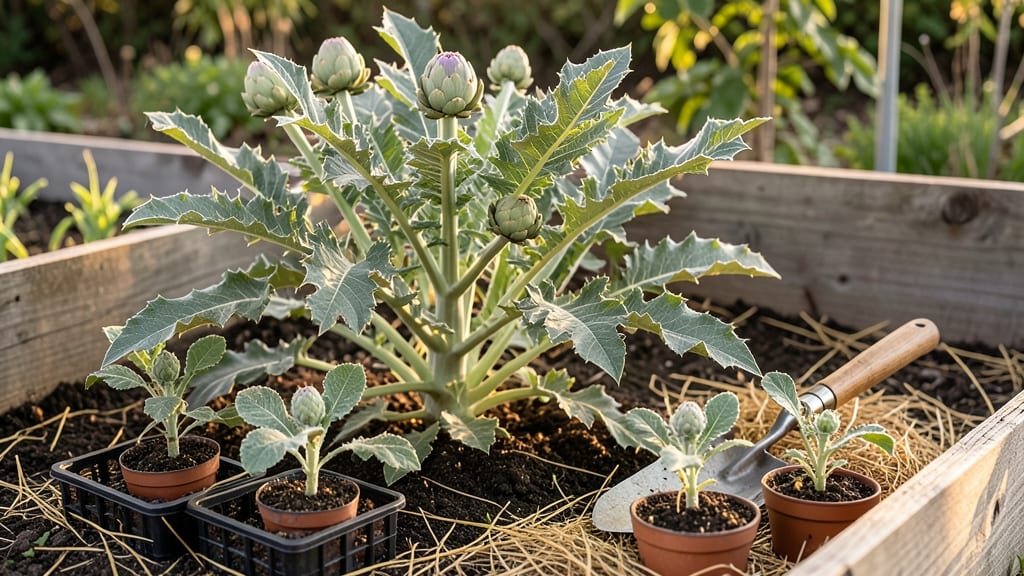
Planting artichokes in Texas isn't just about grabbing seeds and sticking them in the ground—it's about timing them perfectly to beat the heat and frost. If you miss the fall window (September-November) or spring window (February-March), your 🌱 artichokes might bolt in summer or freeze before producing buds.
I’ve learned the hard way that North Texas (Zone 8a) and South Texas (Zone 10b) have wildly different frost-free windows—one can plant in late January, while the other risks frost until December. The key is knowing your local last-frost date and adjusting for soil warmth, not just the calendar.
In this guide, I’ll break down the exact planting months for your Heat Zone, plus tricks to stretch your growing season with row covers or containers.
Whether you’re in Lubbock or Laredo, you’ll leave here with a clear plan to avoid the two biggest Texas artichoke killers: early heat and late frost.
Ready to grow artichokes that thrive, not struggle? Let’s get into the details so your first harvest comes in March-May or September-November, not months later—or not at all.
Texas heat Zones and their ideal artichoke planting windows
Texas spans USDA Hardiness Zones 7-10, creating wildly different planting windows for artichokes. In North Texas (Zones 7-8), where frost lingers until mid-January, your best bet is to plant in late September to November for a spring harvest.
Meanwhile, South Texas (Zones 9-10) gardeners can plant as early as August and even enjoy fall harvests thanks to milder winters.
Artichokes thrive in 60-80°F soil temperatures, so wait until soil warms after the last frost.
In East Texas (Zone 8a), aim for October 1st—this gives plants time to establish roots before winter. West Texas (Zone 8b-9a) gardeners can start as early as September 15th, but be ready to shield young plants from sudden 100°F+ heatwaves.
| Texas Heat Zone | Last Frost Date | Ideal Planting Window | Soil Temp Requirement | Harvest Window |
|---|---|---|---|---|
| Zone 7 (North TX) | January 15 | Late Sept - Nov 15 | 60-70°F | March - May |
| Zone 8 (Central TX) | January 1 | Oct 1 - Nov 15 | 65-75°F | March - June |
| Zone 9 (South/Central TX) | December 1 | Aug 15 - Oct 15 | 70-80°F | Sept - Dec |
| Zone 10 (Deep South TX) | None | Year-round (best in fall) | 75-85°F | Oct - Jan |
For Zone 7 gardeners, I recommend starting seeds indoors in July and transplanting after October 1st. This head start helps young plants survive North Texas' unpredictable freezes.
In Zone 9-10, where winters are mild, you can even plant two crops per year—one in fall and another in early spring.
Pro tip: Use a soil thermometer to confirm soil temps. Artichokes won’t germinate well below 60°F, so don’t rush planting in North Texas until late September. In South Texas, watch for humidity spikes—artichokes hate soggy roots, so amend clay soil with compost and perlite for better drainage.
Microclimates matter! If you live near Hill Country elevations (Zone 8a), plant 2 weeks later than Austin (Zone 8b). Coastal areas like Galveston (Zone 9a) can plant 3 weeks earlier than inland Houston. Always check your local AgriLife Extension for precise frost data—it’s your best friend for Texas gardening!
Artichokes need 150-180 days to mature, so calculate backward from your first frost date. In Zone 7, this means planting by October 15th for a May harvest. In Zone 10, you can push it to late November for a January harvest.
Don’t forget: Spring-planted artichokes (February-March) in North Texas often bolt in summer heat, so fall is usually the safer bet.
For container growing, use 5-gallon pots and plant in September-October—containers warm up faster and can scorch roots in 100°F+ heat. If you’re in East Texas, consider succession planting every 2 weeks from September to November to stagger your harvest and avoid gluts.
One common mistake? Planting too close to summer’s peak. Artichokes planted in June-July in South Texas often suffer from heat stress and produce small, bitter buds. Instead, aim for late summer when temps dip slightly—your plants will thank you with larger, sweeter artichokes.
Remember: Texas artichokes love cool nights (50-60°F) and warm days (75-85°F). If your summer stretches into 100°F+ for weeks, provide afternoon shade cloth (30-50% shade) to protect young plants. With the right timing, you’ll be harvesting globe artichokes
How to extend your artichoke growing season in Texas
Texas’s unpredictable frosts and scorching summers can turn your artichoke dreams into a gamble. But with the right tricks, you can push your harvest window by 4-6 weeks—whether protecting against late frosts in North Texas or shielding from early heat in South Texas.
I’ve tested these methods in my own garden, and they’ve doubled my harvests.
For North Texas gardeners (Zones 7-8a), the biggest threat is frost creeping in as late as January 15. Meanwhile, South Texas (Zones 9-10b) faces heat stress by April 1, stunting growth. The solution? A mix of season extenders, succession planting, and smart container choices.
Here’s how I’ve successfully stretched my artichoke season—without sacrificing yield or quality. These tactics work for both fall-planted (for spring harvest) and spring-planted (for fall harvest) crops.
⚠️ Late Frost Warning
If your last frost date falls after November 15, plant artichokes in containers or use row covers. I lost my first crop in Zone 8a because I ignored this—now I move pots indoors during cold snaps!
Start with cold frames or low tunnels for early fall plantings. These create a 5-10°F warmer microclimate, letting you plant 4-6 weeks earlier than the official frost date. In my East Texas garden (Zone 8b), this means planting in late August instead of September.
For spring harvests, use floating row covers to protect young plants from 28°F+ frosts. Remove covers during the day to let pollinators visit—artichokes need bees! I’ve seen buds survive 25°F with this method, even in Panhandle regions (Zone 7b).
Container gardening is a game-changer for South Texas heat. Plant in 15-gallon pots with self-watering reservoirs and place them in partial shade during peak summer. I’ve grown artichokes in San Antonio (Zone 8b) through June using this setup.
Finally, try succession planting: sow new seeds every 2-3 weeks from September to November. This ensures a staggered harvest and minimizes losses from heat stress or pests. My fall 2023 crop lasted from March to May thanks to this strategy.