
Plants
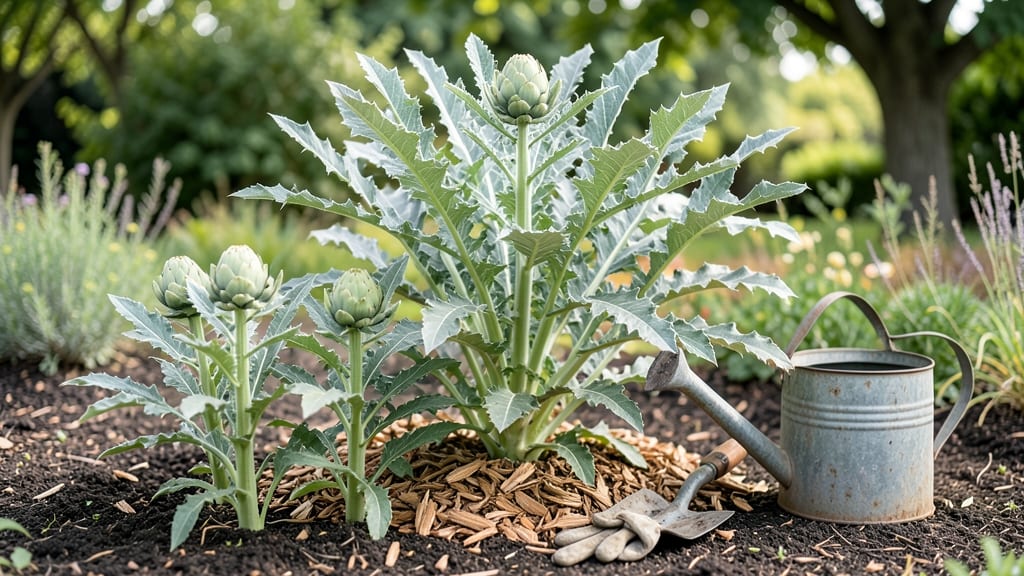
Planting artichokes at the wrong time in Zone 7 can turn your best harvest hopes into a bitter disappointment—literally. These Mediterranean gems need precise timing to avoid frost damage or tough, inedible buds, and getting it right means the difference between tender, edible globes and woody stalks.
In Zone 7 (7a-7b), where last frost typically hits around March 15, the key is waiting until soil temperatures hit a steady 60°F. That usually lands in early spring, but late winter starts are possible with protection.
I’ll break down exactly when to plant—whether you’re using seeds or transplants—and how to prep your soil for success.
You’ll also discover how to adjust for microclimates, like coastal vs. Piedmont areas, and avoid common mistakes that waste your effort. With the right approach, you could be harvesting your first artichokes by late spring—just in time for a fresh, homegrown feast.
Let’s dive into the exact steps to time your planting perfectly and set yourself up for a thriving 🌱 artichoke patch this season.
Optimal planting dates for artichokes in Zone 7 based on soil temperature
Artichokes love Zone 7’s temperate climate, but timing your planting is critical. The ideal window is 4-6 weeks after your last frost date, typically between mid-March and early April for most of Zone 7.
This ensures soil temperatures stay above 50°F (10°C), which artichokes need to germinate properly.
For Zone 7a (colder microclimates like the Piedmont), aim for late March to early April when nighttime temperatures consistently stay above 40°F (4°C). In Zone 7b (warmer coastal areas), you can start as early as February if you’re using transplants, but soil must be at least 55°F (13°C).
Cold soil slows germination, leading to weak seedlings or even rot. Use a soil thermometer to check—artichokes thrive when soil hits 60°F (15°C). If your soil is still chilly, wait or use row covers to warm it faster.
Here’s how to verify your frost-free window:
If you’re starting from seeds, sow them indoors 6-8 weeks before your last frost date. Transplants can go into the ground 2-3 weeks earlier than seeds, giving them a head start. Just be sure to harden them off first—artichokes hate sudden temperature swings.
Early planting (before soil warms) risks stunted growth or even death if a late frost hits. Late planting (after May) may still yield artichokes, but they’ll be smaller and less tender. Balance is key—aim for that golden window between frost risk and heat stress.
Pro tip: Check your local cooperative extension service for hyper-local frost data. Microclimates (like urban heat islands or valleys) can shift your ideal planting date by 1-2 weeks. For example, Raleigh, NC (Zone 7b) often plants earlier than Charlottesville, VA (Zone 7a).
Once your soil hits 60°F (15°C), it’s go time. Amend your soil with compost and a balanced fertilizer (5-10-10) to give your artichokes the nutrients they crave. Mulch with straw to retain moisture and keep roots cool—artichokes hate heat stress above 90°F (32°C).
Plant seeds ½ inch deep and 18 inches apart, or set transplants 2 feet apart in rows 3 feet apart. This spacing prevents disease spread and ensures each plant gets enough sunlight. In containers, use at least a 15-gallon pot per plant.
After planting, water deeply to settle the soil and keep it consistently moist. Artichokes are thirsty plants, but soggy soil leads to rot. Aim for 1 inch of water per week, more in summer heat.
A drip irrigation system works best—it delivers water right to the roots without wetting the leaves.
🌱
Optimal planting dates for artichokes in Zone 7 based on soil temperature
Artichokes in Zone 7 demand precise timing—plant too early, and frost will kill tender seedlings; too late, and your harvest shrinks. The ideal window spans from late February to early April, aligning with soil temperatures of 50-60°F and your last frost date (typically March 15).
For seedlings, wait until soil hits 60°F consistently.
Zone 7’s microclimates complicate timing: Coastal areas (e.g., Charleston) can plant 2-3 weeks earlier than inland Piedmont regions. Check your local frost-free date via the USDA Plant Hardiness Zone Map or your cooperative extension service for precision.
Here’s how to verify soil readiness: Use a soil thermometer to confirm 60°F at 6-inch depth. If temps fluctuate, opt for transplants (hardened 6-week-old seedlings) over seeds, which struggle in cold, damp soil. Early March is your safest bet for most of Zone 7.
| Planting Stage | Zone 7 Timing | Soil Temp | Key Notes |
|---|---|---|---|
| Seeds | Late Feb–Early March | 50–60°F | Start indoors 8–10 weeks before last frost |
| Transplants | Early–Mid April | 60°F+ | Use hardened 6-week-old seedlings |
| Late Planting | May (Risky) | 65°F+ | Limited harvest; prioritize fast-maturing varieties |
For coastal Zone 7 (e.g., Savannah), push planting to January–February if your soil warms early. Inland areas (e.g., Atlanta) should delay until mid-March to avoid 28°F+ frosts. Always harden off seedlings for 7–10 days before transplanting to prevent shock.
Pro tip: Stagger plantings every 2 weeks to extend your harvest. For example, plant half your seeds in late February and the rest in early March. This ensures a continuous supply of artichokes from June to August.
Remember, soil prep is non-negotiable: Amend your bed with compost and aged manure to raise pH to 6.5–7.5. Artichokes hate soggy roots, so ensure well-draining soil with 3–4 feet of spacing between plants. Mulch heavily to retain moisture and suppress weeds—critical in Zone 7’s hot summers.