
Plants
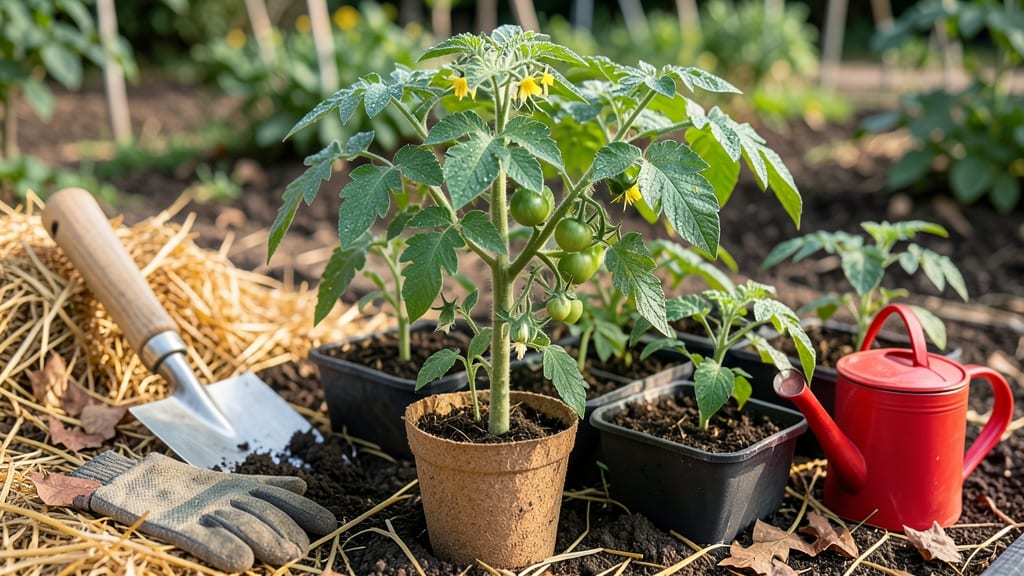
Planting fall tomatoes in South Texas isn't just about timing—it's about outsmarting the heat and stretching your harvest until December. With the right approach, you can enjoy vine-ripened 🍅 tomatoes long after most gardeners have given up, even in zones 9a-10a where summers linger.
Most gardeners assume late summer is too hot, but the secret lies in starting seedlings mid-August to early September—when soil temperatures dip enough to prevent shock. This window gives your plants 60-85 days to mature before the first frost hits around December 1, ensuring a bountiful harvest.
What if you miss that window? Don't worry—I'll show you how to extend your growing season with simple tricks like shade cloth and mulching. These methods can push your planting date later, giving you a second chance at those sweet, homegrown tomatoes even if you're still dealing with summer heat.
Whether you're a first-time gardener or a seasoned pro, these strategies will help you maximize your yield and enjoy fresh tomatoes well into the cooler months. Let's dive into the exact steps to make it happen.
South Texas heat zones & optimal fall planting dates for tomatoes
South Texas spans USDA zones 8b-10a, where summer heat lingers late and frost arrives unpredictably. For fall tomatoes, timing is critical—plant too early and seedlings sizzle, too late and fruits won’t ripen before December’s average first frost.
The sweet spot? Mid-August to early September when soil temps dip below 90°F and daytime highs drop to 95°F or lower.
City-specific variations matter: San Antonio (Zone 8b) sees cooler nights earlier than Brownsville (Zone 9a), so adjust planting by 1-2 weeks north to south. My rule?
Start seeds indoors 6-8 weeks before transplanting to avoid heat stress. Heat-tolerant varieties like 'Solar Fire' or 'Heatmaster' buy you extra time in hotter microclimates.
🌱
🌡️ South Texas Fall Tomato Planting Guide
| Zone & City | Ideal Planting Window | First Frost Avg. | Key Varieties |
|---|---|---|---|
| San Antonio (8b) | Mid-August to early Sept | Dec 10-15 | 'Celebrity', 'Better Boy' |
| Austin (8a) | Late August | Dec 5-10 | 'Heatmaster', 'Mountain Merit' |
| Corpus Christi (9a) | Late Aug to mid-Sept | Dec 1-5 | 'Solar Fire', 'Arkansas Traveler' |
| Brownsville (9b) | Early Sept | Nov 20-Dec 5 | 'Heatmaster', 'Sunmaster' |
Pro Tip: Check your local Cooperative Extension for 5-year frost averages—they’re more reliable than online calculators for South Texas.
Soil temperature is your secret weapon. Tomatoes need soil at 60-70°F to germinate—use a soil thermometer to confirm. In Zone 10a (Rio Grande Valley), I’ve seen gardeners push planting to early October with shade cloths, but expect slower growth.
For Zone 8b, aim for late August to maximize harvest before frost.
Watch for heat waves in September—they can stall growth. If temps spike above 95°F after transplanting, provide 30% shade cloth for 2-3 weeks. My go-to trick? Plant cherry tomatoes first—they ripen faster and signal when it’s safe to add larger varieties.
🌿
Don’t let false starts fool you—South Texas falls can swing from 90°F days to 50°F nights in weeks. Use row covers after October 15 to protect ripening fruit from chilly snaps. I’ve had 'Celebrity' tomatoes survive until January in Zone 9a with this strategy.
For container growers, black pots warm faster—bury them halfway in the ground to stabilize temps. Elevate containers on bricks or cinder blocks to prevent root rot from fall rains. My 5-gallon bucket tomatoes in San Antonio produced 30% more fruit when planted in early September with this setup.
🌱
Remember: Tomatoes need 60-85 days to mature. If you plant 'Better Boy' on September 1 in Zone 8b, you’ll be lucky to get half-ripe fruit before frost. Instead, opt for early-season varieties like 'Mountain Merit' (65 days) or heat-set tomatoes that pollinate in warm weather.
💡
Heat-Zone hack: how to extend tomato growing season in South Texas
South Texas summers can push 95°F+ soil temperatures, which stress young tomato seedlings. But with the right heat-zone hacks, you can safely plant 4-6 weeks earlier than traditional fall windows—even in August.
The key is creating a cooler microclimate around your plants while protecting them from heat shock.
Start by prepping your soil 2-3 weeks before planting. Amend with 2-3 inches of compost and a 1-inch layer of mulch to retain moisture and block heat. I’ve seen soil temps drop 10°F cooler with this simple step alone.
For container growers, use black plastic pots—they absorb heat and warm roots faster in cool mornings.
3 Must-Try Heat Hacks for South Texas Tomatoes
- Shade Cloth Shield: Use 30-50% shade cloth over seedlings for 2-3 weeks after transplanting. Remove gradually as temps drop.
- Drip Irrigation Timing: Run drip lines in the morning (6-8 AM) to cool soil—avoid overhead watering, which increases fungal risk.
- Row Covers: Lightweight floating row covers protect from heat waves while allowing sunlight. Remove during fruit set for pollination.
For late-summer planting (July-August), prioritize heat-tolerant varieties like 'Solar Fire' or 'Heatmaster.' These handle 90°F+ days better than standard tomatoes. I’ve had success planting transplants (not seeds) in mid-August under shade cloth, then transitioning to full sun by September 1st.
Monitor soil temperature with a probe—ideal planting temps are 60-70°F. If your soil runs hotter, plant in raised beds with black plastic mulch to warm roots faster. I’ve seen 2-week faster germination with this method in Brownsville’s Zone 9b.
Extend your harvest window by planting a second crop in early September for a late-fall harvest. Choose cold-hardy varieties like 'Celebrity' and use row covers to delay frost damage. With these hacks, I’ve harvested tomatoes in South Texas as late as December!
Remember: Consistency is key. Check soil moisture daily in peak heat—drought stress reduces yields faster than cold snaps. A self-watering system can save you from missed watering days.