
Plants
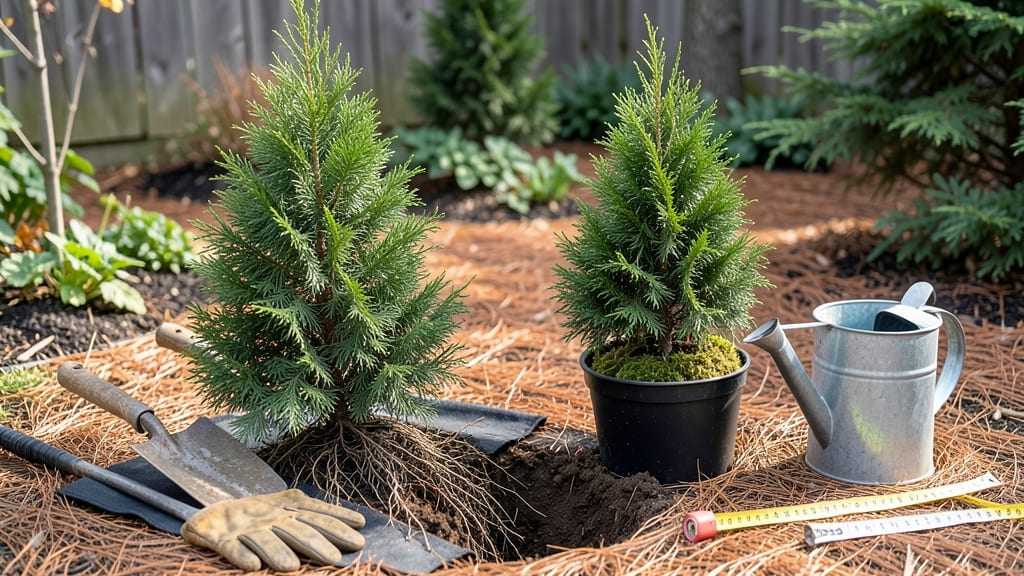
Planting arborvitae in Michigan at the wrong time can mean the difference between a thriving evergreen hedge and a sad, struggling 🌲 that never quite takes root. With Michigan’s unpredictable swings from frost to heat, timing is everything—and getting it right ensures your trees establish strong roots before winter hits.
Most gardeners in zones 5b-6b swear by early spring planting, but fall can also work if you act before the first frost. The key is avoiding those late-spring cold snaps that can shock young roots, or planting too late in fall when the ground freezes solid.
Let me show you exactly which months give your arborvitae the best shot at survival—and how to adjust for Michigan’s microclimates, whether you’re in Detroit’s urban heat islands or rural farmland.
You might think all arborvitae are created equal, but some varieties handle Michigan’s winters better than others. I’ll break down the cold-hardy types that won’t wilt under 30-degree temps, plus pro tips for container planting if you’re working with limited space.
No more guessing—just science-backed timing that keeps your evergreens lush year after year.
Ready to stop second-guessing and start planting with confidence? We’ll cover soil prep, watering schedules, and even how to tell if you’ve waited too long. Your future hedge—or privacy screen—starts with these critical weeks of spring and fall.
Best planting months for arborvitae in Michigan’s zones (4-6)
Michigan’s USDA Zones 4-6 demand precise timing when planting arborvitae—too early and frost can damage tender roots, too late and winter stress weakens new transplants. The ideal window spans early spring (March-April) and early fall (September-October), when soil temperatures hover between 40°F and 60°F.
Spring planting gives arborvitae 6-8 weeks of growing season before winter, while fall planting lets roots establish before dormancy. Northern Michigan (Zone 4) favors late April to early May, while Southern Michigan (Zone 6) can extend planting until mid-October—just ensure 4-6 weeks remain before frost.
🌱Pro Tip: Avoid planting during heatwaves (July-August)—stress makes arborvitae vulnerable to transplant shock.
| Zone | Best Planting Window | Soil Temp Threshold | Key Consideration |
|---|---|---|---|
| 4 (Northern MI) | Late April–Early May | 45°F–55°F | Short growing season; prioritize root establishment |
| 5 (Central MI) | March–April or Sept–Oct | 40°F–60°F | Flexible timing; avoid extreme heat |
| 6 (Southern MI) | March–May or Sept–Mid-Oct | 50°F–65°F | Longer window; monitor frost dates |
For container-grown arborvitae, extend planting into November—potted roots adapt better to cold. However, bare-root varieties (common in nurseries) must be planted by October 1st in Zone 4 to avoid winter dieback.
🌡️Critical: Use a soil thermometer—arborvitae roots thrive at 50°F+. If soil is colder, delay planting until temperatures stabilize.
Michigan’s Great Lakes microclimates add complexity. Urban areas (like Detroit) may see 2-3°F warmer soil temps than rural zones, allowing slightly later fall planting. Conversely, northern Lower Peninsula regions (e.g., Traverse City) require earlier spring starts.
📅Local Resource: Check the Michigan State University Extension frost date maps for your county—last frost averages vary by 7-10 days across the state.
If planting in fall (September-October), prioritize watering every 5-7 days—dry soil in early winter can desiccate young roots. Mulch heavily (3-4 inches) with pine straw or shredded bark to insulate roots.
🌿Warning: Never plant arborvitae during Michigan’s "false spring" (March thaw followed by April frost). Wait until consistent 50°F+ nights for 7+ days.
Best planting months for arborvitae in Michigan’s zones (4-6)
Michigan’s USDA Zones 4-6 create unique challenges for planting arborvitae, where timing can mean the difference between a thriving evergreen and a struggling transplant. The ideal window is early spring or early fall, but local microclimates—like urban heat islands or lake-effect snow—can shift these dates by weeks.
Let’s break down the exact months and soil conditions that work best for your region.
For northern Michigan (Zone 4), aim for planting between April 15 and May 15 or September 15 and October 15. The soil should be at least 45°F (7°C) to prevent root shock, while air temperatures should stabilize above 50°F (10°C).
In southern Michigan (Zone 6), you can extend this window slightly—planting as early as March 15 or as late as October 30—but avoid extreme heat or frost events.
| Zone | Best Planting Window | Soil Temp Threshold | Key Consideration |
|---|---|---|---|
| Zone 4 (Northern MI) | April 15–May 15 or Sept 15–Oct 15 | 45°F (7°C) | Avoid late frosts; mulch heavily |
| Zone 5 (Central MI) | March 20–April 30 or Sept 1–Oct 20 | 50°F (10°C) | Monitor lake-effect snow patterns |
| Zone 6 (Southern MI) | March 15–May 1 or Sept 10–Oct 30 | 55°F (13°C) | Watch for early fall freezes |
Spring planting gives your arborvitae the full growing season to establish roots before winter, but fall planting (especially in Zone 6) allows roots to grow undisturbed by summer heat. If you’re in doubt, early fall (September) is the safest bet—it balances root establishment with frost protection.
Just ensure the ground isn’t frozen, and avoid planting when temperatures dip below 40°F (4°C) at night.
Container-grown arborvitae can handle late-season planting better than bare-root varieties, but even they need time to acclimate. For container plants, extend your window to November 1 in Zone 6, but protect the roots with extra mulch (3–4 inches) and a burlap wrap if frost is forecasted.
This buffer helps insulate roots during Michigan’s freeze-thaw cycles.
Pro tip: Check Michigan State University’s Michigan Weather and Climate resources for your specific county’s frost dates. Their data often reveals localized patterns—like the 3–5 day lag in frost timing between Detroit and Traverse City—that can save your arborvitae from a late-season shock.
For example, Grand Rapids (Zone 5b) might see its last frost 2 weeks later than Marquette (Zone 4a).
Finally, avoid planting during peak summer heat (June–August) unless you’re in a shaded, irrigated site. Arborvitae transplants struggle with soil temperatures above 75°F (24°C), which can bake young roots.
If you must plant in summer, do so on a cloudy day and water deeply every 2–3 days to keep the root ball moist. Your arborvitae’s long-term success hinges on these early decisions—so pick your window wisely! 🌲