
Plants
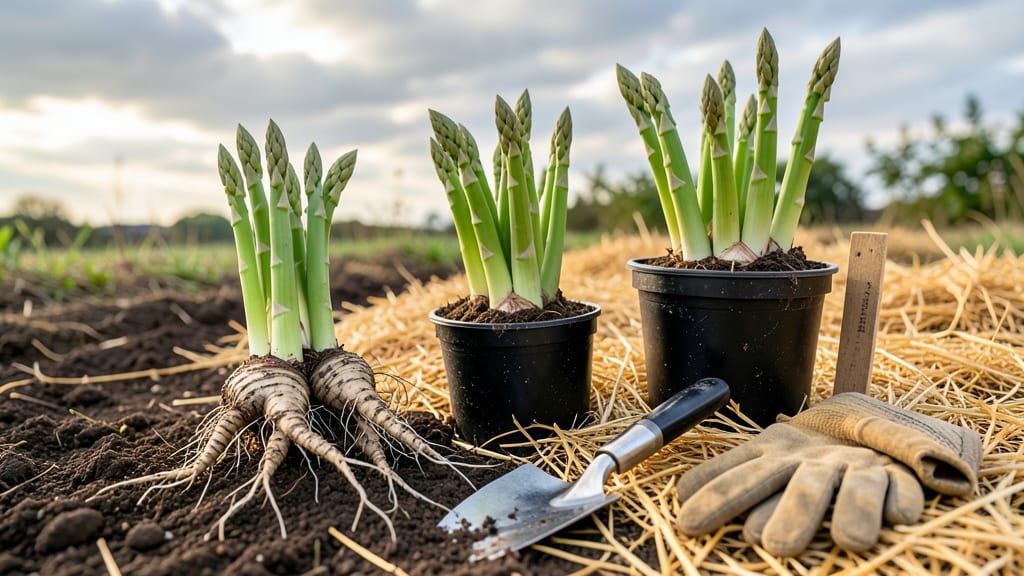
Planting asparagus in Utah isn’t just about timing—it’s about outsmarting the state’s unpredictable swings from frost to drought. If you’ve ever watched your garden struggle with alkaline soil or early freezes, you know the stakes are high for this perennial favorite.
The perfect window for planting asparagus crowns in Utah’s 5b-7a zones is narrow: aim for early spring (March-April) when soil temps hit 50°F and frost risk drops. Too soon, and your 🌱 asparagus crowns will rot; too late, and roots won’t establish before winter’s return.
Here’s the game-changer: Utah’s high desert climate demands extra prep—amending soil with compost to combat alkalinity, mulching to retain moisture, and choosing cold-hardy varieties like ‘Mary Washington’ that shrug off -20°F winters. Skip these steps, and you’re setting up frustration for years.
I’ll walk you through the exact timeline for soil prep, watering hacks for drought years, and how to tell when your crowns are truly ready to go in the ground. No more guesswork—just Utah-proofed success.
Utah’s ideal asparagus planting window by microclimate zone
Utah’s diverse climate—from the chilly Northern Mountains to the hotter Southern Desert—means your asparagus planting timing should match your USDA Zone and elevation. Most Utah gardens fall in Zones 5b-7a, but even small elevation changes (like 1,000 feet) can shift your ideal planting window by weeks.
Let’s break it down by zone so you can avoid frost damage and maximize your harvest.
For Northern Utah (Zones 5b-6a), like Cache Valley or Logan, aim to plant asparagus crowns in early April when soil temperatures hit 50°F. This gives young roots time to establish before summer heat arrives.
In Central Utah (Zones 6b-7a), such as Salt Lake City or Provo, you’ve got a slightly longer window—plant between mid-March and early April for best results.
Southern Utah (Zones 7a-8a), including St. George or Cedar City, enjoys milder winters, so you can start as early as late February. However, be cautious—even these areas can experience late frosts.
Always check your local last frost date (typically mid-April in most Utah regions) and wait until the soil is workable and frost-free for at least 2-3 weeks.
Pro Tip: Use a soil thermometer to confirm temperatures. Asparagus roots struggle in cold soil (<40°F), so don’t rush—wait for consistency.
| Zone & Location | Best Planting Window | Soil Temp Threshold | Cold-Hardy Varieties | Key Consideration |
|---|---|---|---|---|
| Northern Utah (Zones 5b-6a) | Early April | 50°F+ | ‘Mary Washington’, ‘Jersey Knight’ | Wait for snowmelt; mulch heavily |
| Central Utah (Zones 6b-7a) | Mid-March to Early April | 45°F+ | ‘Pacific’, ‘Green Mountain’ | Watch for late frosts in valleys |
| Southern Utah (Zones 7a-8a) | Late February to March | 40°F+ | ‘Martha Washington’, ‘UC 157’ | Drought-tolerant varieties preferred |
| High Altitude (8,000+ ft) | Late April to May | 55°F+ | ‘Pacific’ (Zone 3) | Extend season with row covers |
If you’re in high-altitude areas (8,000+ feet), like Park City or Moab, push planting back to late April or May. The thinner air and colder nights slow soil warming. For these regions, consider fall planting (September) of crowns—this gives roots a head start before winter dormancy.
For container growing in Utah’s urban areas, start seeds indoors in February and transplant after the last frost. Containers warm up faster, so monitor soil temps closely—aim for 50°F before moving plants outside.
Always choose crowns over seeds for Utah’s climate. Seeds take 2-3 years longer to produce spears, and Utah’s short growing season demands efficiency. Look for one-year crowns from reputable nurseries to skip the wait.
After planting, mulch with 3-4 inches of straw to insulate roots and retain moisture. In Utah’s alkaline soils, this also helps buffer pH fluctuations—critical for asparagus health.
Step-by-step soil preparation timeline for Utah gardens
Utah’s alkaline soils and clay-heavy regions demand special prep before planting asparagus. Start in autumn—this gives you a full season to amend the soil, ensuring your asparagus crowns have the perfect foundation to thrive.
The key? Lowering pH (aim for 6.5–7.5) and improving drainage, which Utah’s high desert climate struggles with naturally.
First, test your soil using a home kit or send a sample to your local USU Extension office.
Utah’s soils often test high in calcium carbonate, which raises pH. If your soil is too alkaline, mix in sulfur or peat moss (1–2 pounds per 100 sq ft) in the fall. This takes time to adjust, so don’t wait until spring!
🌱 Did You Know? Asparagus thrives in well-draining soil with organic matter. Utah’s clay soils can suffocate roots if not amended properly. The solution? A raised bed or mound planting in heavy clay areas.
- Test soil pH—aim for 6.5–7.5 (Utah soils often need sulfur or peat moss).
- Work in 3–4 inches of compost or well-rotted manure.
- For clay soils, consider a raised bed or mound to improve drainage.
- Add 1 cup 5-10-10 fertilizer per 10 sq ft to encourage root growth.
- Loosen soil to 12 inches deep—asparagus roots grow deep!
- Mark planting rows with stakes to avoid disturbing roots later.
- Water the soil deeply to settle amendments and prevent shock when planting.
- Avoid fresh manure—it can burn roots and attract pests.
- Mulch with straw or wood chips to retain moisture in Utah’s dry springs.
One common mistake in Utah is over-fertilizing with nitrogen in the first year. Asparagus needs phosphorus and potassium for root development, not just nitrogen for spears. Skip heavy nitrogen feeds until year 3, when your plant is mature enough to produce a harvest.
Pro tip: If your soil is sandy (common in southern Utah), mix in composted leaves or coconut coir to retain moisture. Sandy soils dry out quickly, and asparagus crowns need consistent moisture to establish roots. Mulch heavily after planting to lock in moisture and regulate soil temperature.
Finally, avoid compacted soil—Utah’s high foot traffic and heavy machinery can create hardpan. Use a broadfork or deep tillage tool to break up compacted layers before planting. Your asparagus will reward you with thicker spears and longer productivity if the roots have room to grow.