
Plants
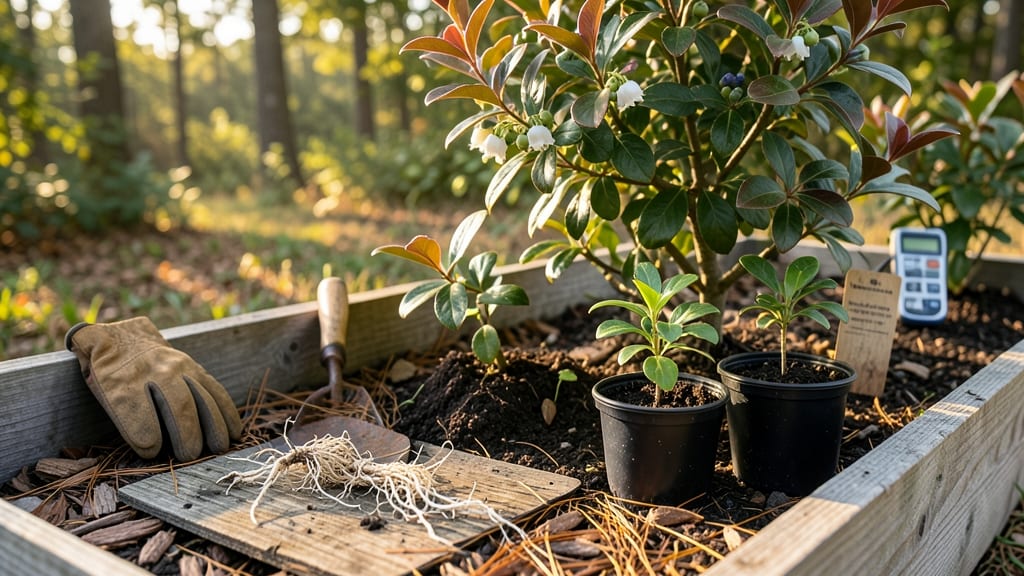
Planting blueberries in Maine isn’t just about timing—it’s about outsmarting the state’s unpredictable frosts and short growing season. One wrong move, and your 🫐 bushes could freeze before they even take root.
The key? Getting them in the ground during that narrow window between late April and early June, when the soil has thawed but the last frost hasn’t struck.
I’ve learned the hard way that Maine’s 5b climate zone demands precision. Too early, and your plants sit in cold, soggy soil; too late, and they miss the critical window to establish roots before winter hits.
Whether you’re a first-time gardener or a seasoned grower, nailing this timing can mean the difference between a bountiful harvest and a sad, frozen shrub.
In this guide, I’ll break down the exact planting window for Maine, including frost-resistant varieties that thrive here and step-by-step prep to give your blueberries the best shot at survival. No more guessing—just proven strategies for Maine’s tricky conditions.
Ready to grow blueberries that actually make it through winter? Let’s dive into the perfect timing and care tips that’ll have your bushes bursting with berries by next summer.
Best planting months for blueberries in Maine’s climate zones
Maine’s cool climate and short growing season (USDA zones 4-6) make timing critical for blueberry success. Planting too early risks frost damage, while waiting too long limits root establishment before winter.
The optimal window is late spring or early fall—adjusting for your specific Maine region (coastal areas warm faster than inland zones).
For bare-root plants, aim for late April to early June after the last frost (typically mid-May in most areas). Coastal Maine may see earlier frost-free dates, while inland zones like Northern Maine might need to wait until June to avoid late spring frosts.
Fall planting is also viable in early September—giving roots time to establish before winter dormancy. This method works best for container-grown plants or bare-root varieties purchased in late summer.
Maine’s frost-free days average 150 days, so blueberries need a 60-90 day growing season to mature. Varieties like ‘Patriot’ or ‘Earliblue’ thrive in these conditions, while southern cultivars may struggle in colder inland zones.
🌱
| Planting Window | Best For | Frost Risk | Maine Region |
|---|---|---|---|
| Late April - Early June | Bare-root plants | Low (after last frost) | Coastal & Southern Maine |
| Early September | Container-grown plants | None (established roots) | All regions |
| June (if delayed) | Northern Maine zones | High (late frosts) | Inland & Acadian |
Coastal Maine gardens (like Portland or Bar Harbor) can plant 2-3 weeks earlier than inland areas due to moderating ocean breezes. Use your local USDA zone map or check the Maine State Climate Office for frost date averages in your area.
If you miss the spring window, fall planting is your next best option—but avoid planting after mid-September, as new roots won’t harden before winter. Always mulch heavily with pine needles or wood chips to insulate roots from freezing temperatures.
For container gardening, you can extend your planting window slightly, but still aim for late spring to ensure the plant has time to establish roots before Maine’s first frost (mid-October in most areas). Containers also allow you to move plants indoors during extreme cold snaps.
🌿
Pro tip: Test your soil’s acidity (pH 4.5-5.5) before planting—Maine’s native soils are often too alkaline. Amend with peat moss or sulfur if needed. Blueberries are finicky about soil pH, and correcting it now saves future headaches.
Finally, avoid planting in summer unless you’re using shade cloth to protect young plants from intense Maine sun and heat stress. Summer planting is only recommended for established nurseries with irrigation systems.
Top frost-resistant blueberry varieties for Maine gardens
Maine’s cold winters and late springs make selecting the right blueberry varieties critical for success. You’ll want frost-hardy cultivars that thrive in USDA zones 4-6 and produce consistently despite early frosts. My top picks balance cold tolerance, yield, and low-maintenance care—perfect for Maine’s challenging climate.
Start with 'Patriot', a top performer in Zone 4 gardens. This variety handles sub-zero temperatures and produces large, sweet berries by mid-July. It’s also self-pollinating, so you won’t need multiple bushes for fruit production.
For earlier harvests, 'Earliblue' ripens in late June, giving you a head start on the season.
🌱
🌱 Variety Ratings for Maine Gardens
For high-yielding bushes, 'Bluecrop' is a classic choice in Zone 5. It produces abundant berries from mid-July to August and handles late frosts better than most varieties.
If you prefer a compact bush, 'Jersey' stays under 3 feet tall while still delivering reliable harvests in Zone 4 gardens.
When selecting varieties, consider your garden layout. Plant multiple types (like 'Patriot' and 'Earliblue') to extend your harvest season from late June to August. Pair them with acid-loving companions like azaleas or rhododendrons to create a cohesive Maine-friendly garden.
Pro tip: Buy bare-root plants from Maine nurseries