
Plants
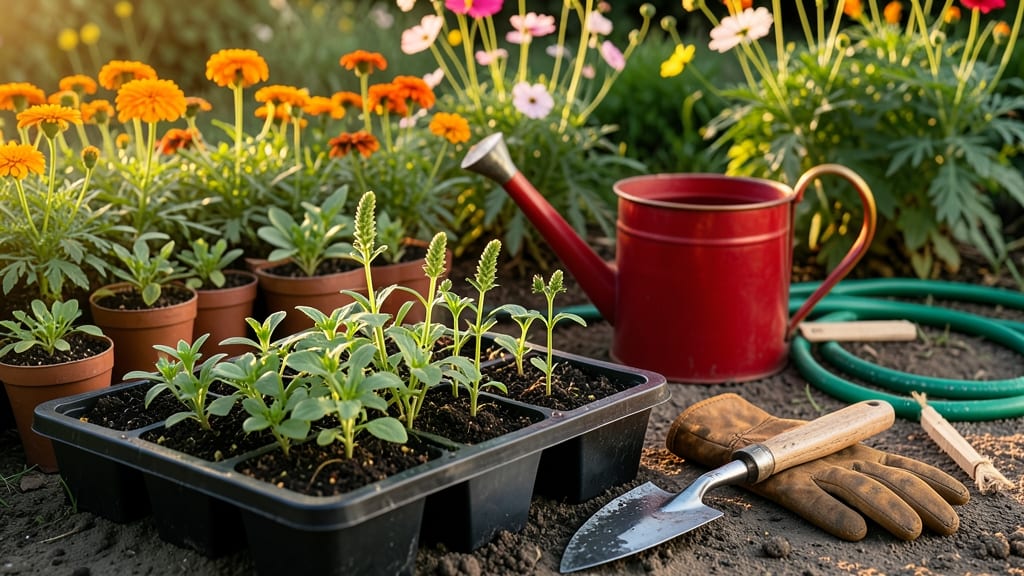
Timing when to plant annuals in Missouri just right can mean the difference between a garden bursting with color and one that fizzles before it even starts.
If you plant too early, a late frost will wipe out your tender seedlings, while planting too late means missing out on those peak summer blooms you’ve been dreaming of.
Missouri’s 5b-6b climate zones create a tricky balance—spring plantings need to wait until after the last frost (usually around April 15), but fall plantings must happen before the first chill sets in by September 15.
Get this wrong, and your hard work could go up in smoke—or freeze—before it even takes root.
I’ve spent years perfecting the schedule, and what I’m about to share will help you avoid common mistakes. Whether you’re a beginner or a seasoned gardener, these county-specific deadlines will ensure your annuals thrive from March to October, no matter where you are in the state.
Ready to transform your garden? Let’s dive into the exact planting windows that’ll give you longer blooms, healthier plants, and fewer disappointments—so you can enjoy your annuals for as long as possible.
Missouri heat zones: how climate affects annual planting deadlines by county
Missouri’s 6 USDA heat zones (5a–8a) create dramatic differences in planting deadlines. In northern counties like St. Louis County (Zone 6a), the last frost often hits April 15, while southern regions like Cape Girardeau (Zone 7a) may see frost-free soil by March 20.
These variations mean your pansies might bloom in March in the Bootheel but wait until May in the Ozarks.
Urban areas like Kansas City and St. Louis experience urban heat islands, delaying frost by 1–2 weeks compared to rural areas. Meanwhile, high-altitude Ozark counties (e.g., Christian County) can have 2–3 weeks later last frosts than their lower-elevation neighbors.
Always check your local frost dates—they’re your planting timeline’s foundation.
🌱
| Heat Zone | Counties | Last Frost | First Frost | Cool-Season Planting | Warm-Season Planting |
|---|---|---|---|---|---|
| 5a | Adair, Audrain, Boone (north), Carroll | April 25–May 5 | October 10–20 | March 1–15 | May 20–June 1 |
| 5b | Christian, Greene, Jackson, St. Louis (north) | April 10–20 | October 15–25 | March 15–April 1 | May 1–15 |
| 6a | Cape Girardeau, Perry, Scott, St. Louis (south) | March 20–April 5 | October 25–November 5 | February 20–March 15 | April 15–May 1 |
| 6b | Butler, Cooper, Howell, Pettis | March 25–April 10 | October 30–November 10 | March 1–15 | April 10–20 |
| 7a | Dallas, Greene (south), Lawrence, Newton | March 10–20 | November 10–20 | February 15–March 1 | March 25–April 10 |
| 8a | Crawford, Iron, Madison, Ozark | March 1–10 | November 20–December 1 | January 20–February 15 | March 10–20 |
Note: Urban areas (e.g., St. Louis, Kansas City) may have 1–2 week earlier last frosts due to heat islands.
Cool-season annuals like pansies and snapdragons thrive when planted 4–6 weeks before your last frost date. In Zone 5a, that means March 1–15, while Zone 8a gardeners can start as early as January 20.
For warm-season favorites like marigolds or sunflowers, wait until soil temperatures hit 60°F+—typically after May 1 in most counties.
Missouri’s fall planting window runs from August 1–September 15, but timing varies. In northern zones, plant by August 15 to avoid early frosts, while southern zones can extend to September 30. Always check your local frost-free days—most Missourians have 165 days between last and first frost.
🌡️
Pro tip: Use row covers or cold frames to extend your spring planting by 2–
Best annuals for Missouri’s short vs. long growing seasons: planting strategies by type
Missouri’s short spring and long summer create two distinct planting windows for annuals. Cool-season annuals like pansies and snapdragons thrive in early spring or fall, while heat-loving varieties such as zinnias and sunflowers need to wait until after the last frost. Understanding these differences helps you maximize blooms all season.
For cool-season annuals, start seeds indoors 6-8 weeks before your average last frost date (typically mid-March). Hardy varieties like lobelia and sweet alyssum can even handle light frosts, making them ideal for early spring or fall plantings after September 15.
These plants often bolt or struggle in summer heat, so timing is critical.
Missouri’s USDA zones 5b-6b mean some areas (like the Ozarks) have shorter growing seasons than urban areas. Adjust planting dates by 1-2 weeks later in high-altitude regions. For example, Boone County can plant zinnias safely by May 10, while Cape Girardeau may start as early as April 25.
Pro tip: Use row covers to protect cool-season annuals from late frosts, extending their growing window by 2-3 weeks. For warm-season plants, mulch heavily to retain soil moisture during Missouri’s hot, dry summers. This simple step can mean the difference between wilting annuals and vibrant blooms.
Don’t overlook fall planting for annuals like kale, calendula, or stock flowers. These thrive in cooler temps and often produce longer-lasting blooms than summer plantings. Aim to get them in the ground by September 1 for a second-season showstopper.
Missouri’s variable climate rewards gardeners who plan ahead. By matching annuals to their ideal planting window and adjusting for local conditions, you’ll enjoy nonstop color from spring through frost—without the guesswork. Happy planting! 🌸