
Plants
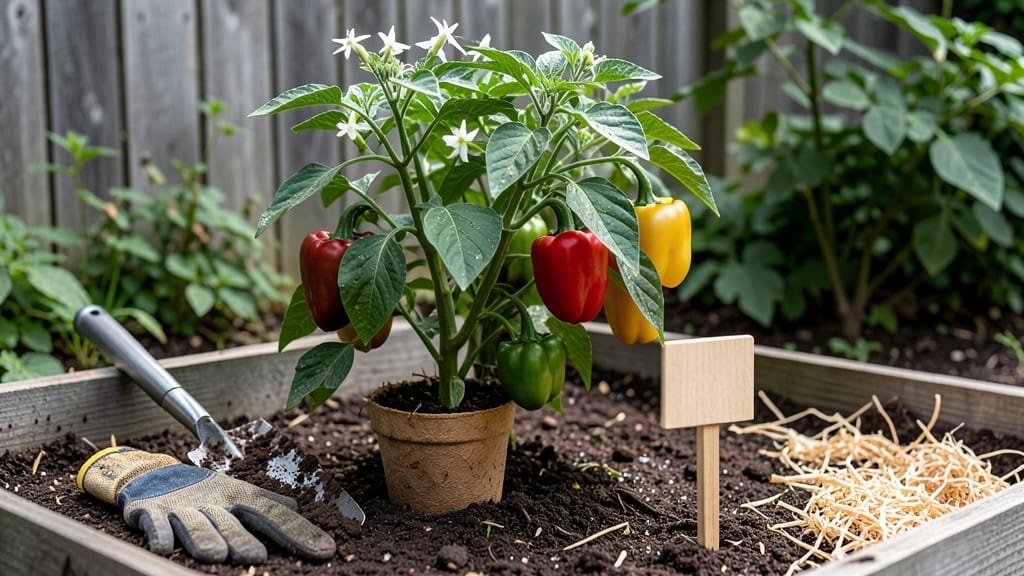
Timing your 🌶️ bell pepper planting in Missouri isn’t just about checking the calendar—it’s about outsmarting the state’s fickle spring weather and heat zones. Plant too early, and a late frost will wipe out your seedlings.
Too late, and your peppers won’t have enough time to ripen before fall sets in. The key? Waiting until soil temperatures hit 60°F and all frost risk has passed, usually between mid-April and early June.
Missouri’s USDA zones 5b-7a mean your exact planting window depends on where you live—St. Louis gardeners have a slightly longer season than those in northern Missouri. I’ll break down the perfect schedule for your region, whether you’re starting seeds indoors or transplanting young plants.
No more guessing games, just data-driven timing to maximize your harvest.
Here’s the game-changer: most Missouri gardeners make the same mistakes—planting too soon, ignoring soil warmth, or picking varieties that won’t mature in time. I’ll show you how to avoid these pitfalls with a simple checklist, so you can enjoy juicy, homegrown peppers from July through October without the stress.
Ready to transform your garden? Let’s dive into the exact dates, soil prep tips, and regional adjustments that will have your 🌶️ bell peppers thriving—no matter where in Missouri you’re planting.
Missouri heat zones and frost dates for bell pepper planting
Missouri’s USDA Zones 5b–7a create a unique challenge for bell pepper growers. Unlike heat-loving plants, peppers need warm soil (60°F+) and frost-free nights to thrive. Planting too early risks frost damage, while waiting too long shortens the growing season. Let’s break down the critical timelines by zone and region.
The last average frost date in Missouri ranges from mid-April in southern zones (7a) to late May in northern zones (5b). However, late frosts can occur until May 15 in most areas, so don’t rush! Bell peppers also need 120–150 frost-free days to mature, making timing everything.
Here’s the key rule: Wait until soil temperatures consistently hit 60°F (15°C) at a 4-inch depth. Use a soil thermometer—this is non-negotiable. Cold soil stunts growth and invites disease. In Missouri, this typically aligns with late May in northern regions and early May in southern regions.
Missouri’s microclimates add another layer of complexity. Urban areas like St. Louis can be 5–10°F warmer than rural zones due to the "heat island" effect, while river valleys (like the Bootheel) may experience earlier soil warming.
Always check local frost maps (like the Missouri State Climatologist’s data) for your exact location.
Now, let’s talk seed-starting vs. transplanting. Most Missouri gardeners start seeds indoors 8–10 weeks before the last frost (early March for northern zones, late February for southern). This gives seedlings a head start. Transplant outdoors 2–3 weeks after the last frost, when nighttime temps stay above 55°F (13°C).
For direct sowing (skipping seedlings), wait until mid-May to early June in most of Missouri. This method works best in southern zones (6a–7a) where summers are longer. Northern zones (5b) are better suited for seedling transplants to maximize the growing window.
🌱 Pro Tip: Use black plastic mulch to warm soil faster in cooler zones. This can shave 1–2 weeks off your planting timeline by raising soil temps by 5–10°F.
Missouri Bell Pepper Planting Guide by Zone
| USDA Zone | Last Frost Date | Start Seeds Indoors | Transplant Outdoors | Direct Sow Window |
|---|---|---|---|---|
| 5b (North) | Late May | Early March | Late May | Mid-June |
| 6a (Central) | Mid-May | Late February | Early May | Early June |
| 7a (South) | Early April | Late January | Late April | Mid-May |
*Adjust dates 1–2 weeks earlier for urban heat islands or river valleys.
Missouri’s early summer heatwaves (June–July) can also throw off timing. If temps soar above 90°F (32°C), peppers may stop flowering or produce blossom-end rot. Choose heat-tolerant varieties like ‘Carmen’ or ‘Aristotle’ for southern Missouri, while northern zones benefit from shorter-season types like ‘Early California Wonder’.
🌡️ Missouri-Specific Warning: Even if frost risk is gone, nighttime temps below 55°F (13°C) will stunt pepper growth. Monitor your local National Weather Service forecasts for overnight lows.
Finally, succession planting is your secret weapon for a longer harvest.
In Missouri, you can make 2–3 plantings:
- Main crop (transplant in early May)
- Mid-season (transplant in late May)
- Late crop (direct sow in early June for southern zones) This stretches your harvest from July through October.
Missouri heat zones and frost dates for bell pepper planting
Missouri’s USDA zones 5b-7a create big differences in when you can safely plant 🌶️ bell peppers. Northern Missouri (Zone 5b) has a shorter growing season, while southern areas (Zone 7a) enjoy 2-3 extra weeks.
The last average frost date ranges from April 15 in St. Louis to May 1 in northern regions like Columbia. But frost isn’t the only factor—your soil must stay above 60°F for peppers to thrive.
Most Missouri gardeners wait until mid-May to transplant outdoors, but this varies. For example, in Southeast Missouri (Zone 7a), you can start transplanting as early as mid-April if nighttime temps stay above 50°F.
In Northwest Missouri (Zone 5b), hold off until late May to avoid late frosts. I recommend using a soil thermometer to confirm warmth before planting.
Here’s the critical rule: Never plant bell peppers outdoors until the soil temperature consistently stays above 60°F for at least a week. Cold soil stunts growth and invites disease.
In Missouri, this typically aligns with late May to early June, but urban areas (like St. Louis) may warm up faster than rural zones.
If you’re starting seeds indoors, begin 8-10 weeks before your last frost date. For St. Louis (Zone 6a), that means mid-February to early March. Use grow lights to prevent leggy seedlings, and transplant outdoors only after hardening off for 7-10 days.
Hardening off means gradually exposing seedlings to outdoor conditions to toughen them up.
Missouri’s early summer heatwaves can also impact planting. If temps exceed 90°F before your peppers establish roots, they’ll struggle to set fruit. Choose heat-tolerant varieties like ‘Carmen’ or ‘Jupiter’ for northern Missouri, and always mulch to keep roots cool.
A 2-3 inch layer of straw mulch can make a huge difference during heatwaves.
Pro tip: Use row covers for the first 2 weeks after transplanting to protect young plants from unexpected late frosts. Even in Zone 7a, a 28°F frost can sneak in during April. Row covers add a 5-10°F buffer and pay for themselves in saved plants.