
Plants
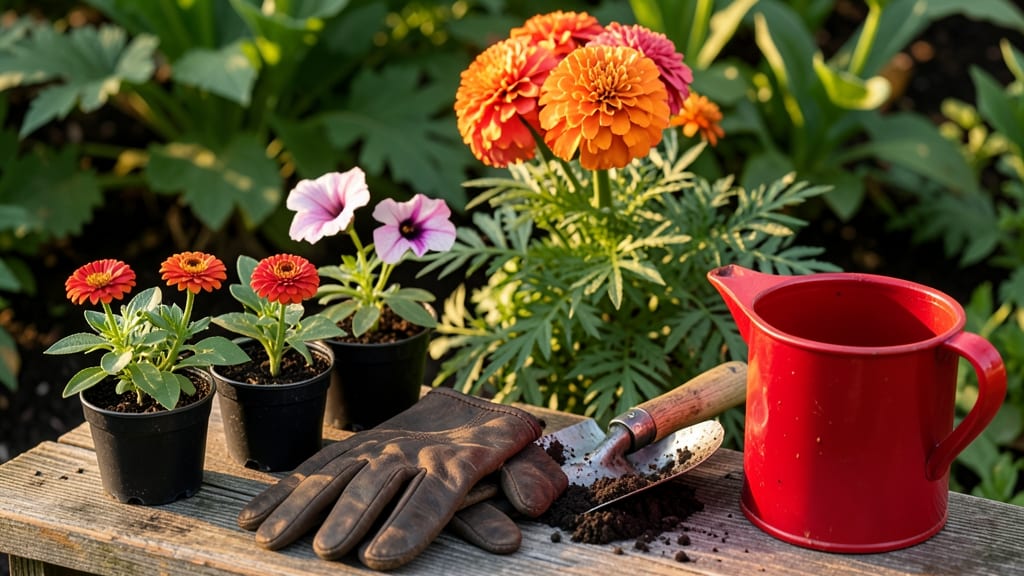
Planting annuals 🌸 in Maryland at the wrong time can mean the difference between a garden bursting with color and one that fizzles before it even begins.
The perfect window—after the last frost but before summer’s scorching heat—varies by variety, and missing it means wasted effort and empty flower beds.
I’ve learned the hard way that Maryland’s 6a-7b zones demand precision: cool-season annuals like pansies thrive in late March, while tomatoes and zinnias need to wait until mid-May.
But here’s the secret: even experienced gardeners get it wrong sometimes, and I’ll show you exactly how to nail those planting dates—plus how to stretch your season with simple tricks.
Whether you’re a first-time gardener or a seasoned pro, this guide breaks down the exact timing for every type of annual, from frost-hardy flowers to heat-loving veggies.
We’ll cover Baltimore’s urban microclimate, Western Maryland’s cooler hills, and even the Eastern Shore’s unique conditions—so you can plant with confidence and enjoy blooms from spring through fall.
Ready to transform your garden? Let’s dive into the frost-free calendar that’ll keep your annuals thriving all season long—no guesswork, just results.
Maryland’s frost-free zones: when to plant annuals by last frost date
Maryland’s USDA zones 6a-7b create a tricky balance for annuals—too early, and frost zaps tender seedlings; too late, and you miss peak blooms. The average last frost date hovers around mid-April, but microclimates shift this by 2-3 weeks.
Western Maryland’s valleys often warm 10 days earlier than the Eastern Shore, while Baltimore’s urban heat island can delay frost by 5-7 days.
Cool-season annuals like pansies and lettuce thrive when planted 4-6 weeks before the last frost, while warm-season favorites (tomatoes, zinnias) need soil at 60°F+—usually after May 15. The first frost typically arrives mid-October, giving you a 165-day frost-free window to maximize growth.
Key rule: Wait until 3 consecutive days above 50°F before planting frost-sensitive annuals. Check local CoCoRaHS stations or your county extension office for real-time updates—last year’s frost date isn’t this year’s guarantee!
| Region | Avg Last Frost | Safe Planting Window | Cool-Season Start | Warm-Season Start |
|---|---|---|---|---|
| Western MD (Hagerstown) | April 5 | April 15-May 1 | March 15 | May 5 |
| Baltimore Metro | April 12 | April 20-May 5 | March 20 | May 10 |
| Eastern Shore (Salisbury) | April 20 | May 1-May 15 | March 25 | May 20 |
| DC Suburbs | April 10 | April 15-April 30 | March 18 | May 8 |
For coastal areas, add 10-14 days to frost dates—salt spray and ocean breezes delay warming. Conversely, urban heat islands (like Baltimore’s downtown) can push warm-season planting 2 weeks earlier.
Test your soil’s readiness with a soil thermometer—if it’s below 55°F, hold off on warm-season starters like peppers or eggplants.
Pro tip: Use heat-loving annuals (e.g., marigolds, cosmos) as frost indicators. If they thrive without protection by May 1, your zone is warming faster than average. For cool-season crops, start seeds indoors 6-8 weeks before your last frost date to beat the rush.
Maryland’s fall planting window runs from August 15 to September 15, with September 1 being the sweet spot for cool-season annuals.
After that, nights grow too chilly for most varieties to establish roots before frost. Kale, spinach, and snapdragons are exceptions—they handle light frosts and can be sown as late as October 1.
Remember: Microclimates matter more than USDA zones in Maryland. A south-facing slope warms 2-3 weeks earlier than a north-facing low spot. Observe your yard’s patterns for 3 years to refine your planting schedule—your garden’s history is the best predictor of success.
For container gardening, extend your season by 2-3 weeks—pots warm up faster than soil and can be moved to protected spots when nights dip below 40°F. Just ensure containers have drainage holes to prevent root rot from Maryland’s spring rains.
🌱
Best annual flowers and vegetables to plant in Maryland’s spring vs. fall
Maryland’s spring and fall seasons offer two prime windows for planting annual flowers and vegetables. Cool-season crops like lettuce and pansies thrive in early spring, while warm-season favorites such as tomatoes and zinnias need summer’s warmth. Timing is everything—get it wrong, and you’ll miss peak blooms or harvests!
For spring planting, focus on hardy annuals like snapdragons and cool-loving veggies such as peas. These can handle light frosts and even grow well in March-April if soil isn’t frozen.
Meanwhile, warm-season annuals like basil and marigolds should wait until after the last frost, typically mid-May in most of Maryland.
Fall planting is equally strategic. Heat-tolerant flowers like cosmos and vegetables like kale can be sown as early as late July for a second harvest. By August-September, you’ll have time for a full-grown crop before the first fall frost hits in mid-October.
- March-April: Cool-season flowers (pansies, sweet alyssum) and vegetables (lettuce, spinach) after last frost (avg. mid-April).
- May: Warm-season annuals (tomatoes, zinnias) only after soil reaches 60°F (usually after May 15).
- June: Succession plant heat-loving crops (basil, okra) every 2-3 weeks for continuous harvests.
Don’t overlook succession planting—this technique lets you stagger plantings every 2-3 weeks for a steady supply of blooms or veggies. For example, bush beans sown in May, June, and July will give you harvests through September.
Similarly, marigolds planted in June and August will brighten your garden from summer to fall.
For fall blooms, prioritize fast-growing annuals like cosmos and sunflowers.
These can be sown as late as early September in southern Maryland (USDA Zone 7b) or mid-August in cooler northern regions. Herbs like dill and cilantro also thrive in fall and can be direct-sown until late August.
Pro tip: Use shade cloth for early spring or late fall plantings to protect tender seedlings from unpredictable temperature swings. This extends your growing season by 2-3 weeks on either end! 🌿