
Flowers
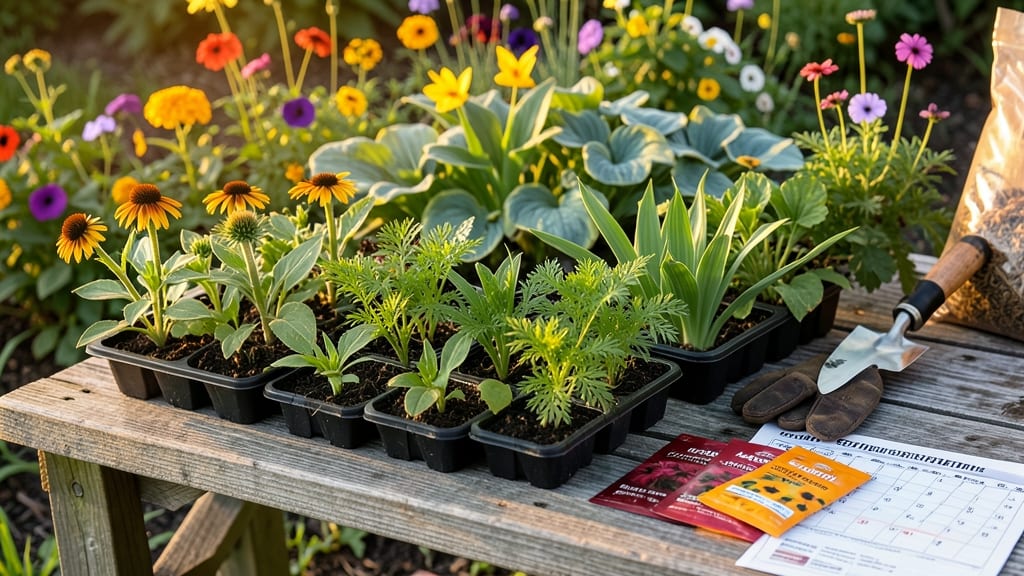
Planting flowers in Connecticut at the wrong time can mean the difference between a garden bursting with color and a sad, frost-bitten disappointment. The key to success lies in knowing exactly when to plant your 🌸—whether you're sowing seeds or popping in those vibrant annuals.
With last frost dates typically landing in mid-April, gardeners in zones 5b-6b face a tight window to get flowers established before summer heat arrives. But don't worry—this guide will walk you through the perfect planting schedule for annuals, perennials, and bulbs to maximize your blooms all season long.
From late April to mid-May, you'll want to focus on hardy spring bloomers, while late summer offers a second chance for fall favorites.
I'll share my top tips for soil prep, frost protection, and even how to extend your growing season so you can enjoy flowers from spring until the first frost.
Ready to transform your Connecticut garden into a showstopper? Let's dive into the exact timing and varieties that will thrive in your climate—no more guesswork, just stunning results.
Connecticut’s frost-free dates by region: when to plant annuals, perennials, and bulbs
Connecticut’s three distinct climate zones—coastal, central, and inland—create varying frost-free dates that can confuse even seasoned gardeners. The last average frost date shifts from mid-April on the coast to late April inland, while the first frost arrives between mid-October and early November.
These differences mean your planting windows should align with your specific USDA Zone (5b-6b).
For annual flowers, the golden rule is to wait until two weeks after your region’s last frost date.
This buffer accounts for late spring temperature swings that can still damage tender seedlings. Perennials, however, are hardier and can often tolerate light frosts, so they can be planted as soon as the ground thaws—usually by early April in most of CT.
Spring-blooming bulbs like tulips and daffodils should be planted in fall (October-November), but summer-blooming bulbs like dahlias wait until after the last frost. The key is understanding your microclimate—valleys and low-lying areas frost later than hillsides.
Here’s how to determine your local frost dates:
- Check the CT Agricultural Experiment Station’s frost data (updated annually).
- Observe your neighbors’ gardens—leaf-out on trees signals warming soil.
- Use a frost-sensitive plant like coleus as a natural indicator.
| Region | Last Frost Date | First Frost Date | Annual Planting Window | Perennial Planting Window |
|---|---|---|---|---|
| Coastal (Zone 6b) | Mid-April | Mid-October | Late April - Early May | Early April - Early May |
| Central (Zone 6a) | Late April | Early October | Early May - Mid-May | Mid-April - Early May |
| Inland (Zone 5b) | Late April - Early May | Early November | Mid-May - Early June | Early May - Early June |
🌱 Note: Adjust for high-altitude areas (e.g., Torrington) by adding 1-2 weeks to frost dates.
For cool-season annuals like pansies and snapdragons, you can start planting 4-6 weeks before your last frost date. These cold-hardy flowers thrive in 50°F soil temperatures and even light frosts. In contrast, tender annuals like petunias and geraniums must wait until soil temperatures exceed 60°F.
If you’re starting seeds indoors, begin 6-8 weeks before your last frost date. Use grow lights to prevent leggy seedlings, and harden off plants for 7-10 days before transplanting. For bulbs like tulips, plant them in fall (October-November) to ensure roots establish before winter.
Pro tip: Use frost cloth to extend your spring planting window by 2-3 weeks. Simply drape it over seedlings when nighttime temps drop below 40°F. This is especially useful for inland CT gardeners with later frost dates.
For fall planting, focus on cool-season flowers like chrysanthemums and asters. These thrive when planted in late summer (August-September), giving them time to establish roots before fall frosts. Avoid planting warm-season annuals after mid-August, as they won’t have enough time to mature before winter.
Local nurseries like Hilltop Greenhouses (Fairfield) and The Plant Farm (Windsor) offer region-specific
Best flowers to plant in Connecticut by season: spring, summer, and fall timelines
Connecticut’s three distinct seasons for flowers—spring, summer, and fall—each offer unique planting opportunities. I’ve curated the top-performing varieties that thrive in CT’s USDA Zones 5b-6b, ensuring vibrant blooms year-round with minimal fuss.
For early spring (March-April), focus on cold-hardy annuals like pansies and violas. These frost-tolerant flowers handle CT’s late frosts while adding color to chilly gardens. I start my pansies indoors in late February for early blooms by Mother’s Day.
Summer-blooming annuals and perennials like marigolds and coneflowers thrive in CT’s hot, humid summers. I plant these heat-tolerant varieties after the last frost date (typically mid-May for inland CT) to avoid transplant shock. Succession planting every 2-3 weeks ensures continuous color.
Fall planting (August-September) focuses on cool-season flowers that handle CT’s early frosts. Chrysanthemums and asters love the cool autumn air and often bloom until first frost. I add a 2-inch mulch layer in late September to protect roots from temperature swings.
Native CT flowers like black-eyed Susans and goldenrod require minimal care and attract pollinators. These perennials return yearly, making them low-maintenance workhorses for any CT garden. I pair them with annuals for seasonal color shifts.
For extended blooms, I mix early, mid, and late-season varieties. For example, planting pansies in spring and replanting in fall creates a 12-month color palette. This succession strategy keeps my garden lively from March through November.