
Plants
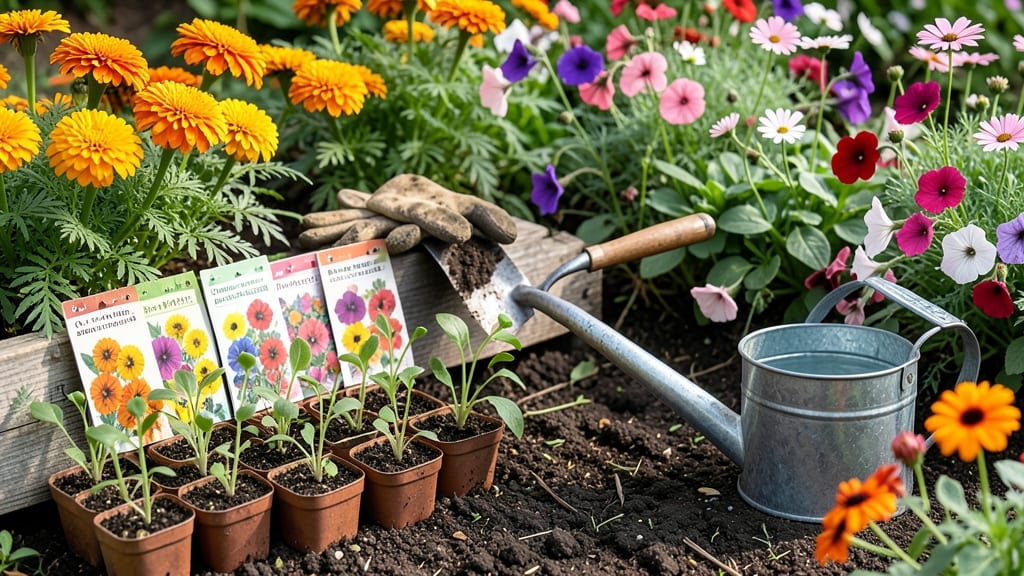
When to plant annuals in Ohio can make all the difference between a garden that dazzles with color and one that struggles to take hold. With the last frost typically landing around mid-April, waiting too long risks late-season freezes, while planting too early can leave delicate seedlings struggling in cold soil.
I’ve learned the hard way that Ohio’s 6a zone demands patience—whether you’re sowing marigolds for summer blooms or basil for fresh herbs, the window between frost and full warmth is narrow.
But don’t let that stress you out; with the right deadlines and a few smart tricks, you can maximize your garden’s potential.
In this guide, I’ll break down the exact frost-free deadlines for Ohio’s two main planting windows—spring and late summer—plus how to adjust for your specific corner of the state.
We’ll also cover the best annuals for Ohio’s short but sweet growing season, so you can pick varieties that thrive despite our unpredictable weather.
Ready to turn your garden into a year-round showstopper? Let’s dive into the timing, tools, and top picks that’ll keep your annuals flourishing from May through September—no guesswork required.
Ohio’s frost-free planting deadlines by hardiness Zone (2024 guide)
Ohio spans USDA hardiness zones 5b through 6b, meaning your last spring frost can vary by 2-3 weeks depending on whether you’re in northern Columbus or southern Cincinnati.
For most of the state, the average last frost date falls between April 15 and May 1, but microclimates near lakes or urban areas can push this window earlier.
Knowing your exact zone ensures you plant heat-loving annuals like zinnias and sunflowers at the right time—before late-May frosts zap tender seedlings.
In Zone 5b (northwest Ohio), where winters are colder, aim to plant warm-season annuals after May 10 to avoid frost damage.
Meanwhile, Zone 6b (southwest Ohio) gardeners can start as early as April 20 in protected microclimates. Cool-season annuals like lettuce or pansies, however, can handle light frosts and should go in 4-6 weeks before your last frost—typically by March 15 in most regions.
| Zone | Avg. Last Frost | Plant Warm-Season Annuals | Plant Cool-Season Annuals | Fall Planting Window |
|---|---|---|---|---|
| 5b (Toledo, Youngstown) | May 1 | After May 10 | March 15–April 1 | August 1–September 15 |
| 6a (Columbus, Dayton) | April 25 | After April 25 | March 1–March 15 | July 30–August 30 |
| 6b (Cincinnati, Lexington) | April 15 | After April 20 | February 28–March 10 | July 15–September 1 |
For heat-tolerant annuals like marigolds or cosmos, you can push the envelope by planting 2-3 weeks before your zone’s deadline—but always use row covers for extra protection. Southern Ohio’s Zone 6b gardeners can even try early April sowings of fast growers like basil or zinnias under cloches.
Just monitor local weather forecasts and be ready to cover plants if overnight temps drop below 40°F.
If you’re unsure about your exact last frost date, check the Ohio State University Extension’s frost maps or use the National Weather Service’s climate data tools. These resources provide historical averages and 30-year trends to help you plan.
For example, northern Ohio has seen a 2-week earlier last frost in recent decades due to climate shifts—so don’t rely solely on old planting guides!
Pro tip: Start seeds indoors 6-8 weeks before your last frost to get a head start on longer-season annuals like tomatoes or peppers. Use grow lights or a sunny windowsill, and harden off seedlings for 1 week before transplanting.
This strategy lets you beat the rush and enjoy earlier blooms or harvests.
For fall-blooming annuals, like mums or pansies, aim to plant 8-10 weeks before your first frost (typically late July to early August). These varieties thrive in cooler fall temperatures and can extend your garden’s color well into October or November.
Ohio’s unpredictable weather means even the best-laid plans can go awry. If a late frost hits after your planting window, don’t panic—fast-growing annuals like bush beans or sunflowers can often recover if given time.
Just keep an eye on your garden’s microclimate: Urban areas may warm up faster than rural spots, while low-lying gardens can stay colder
How to adjust planting times for Ohio’s unpredictable weather patterns
Ohio’s spring weather can swing from frost to 70°F in a single week, making it tricky to pinpoint the perfect planting window for your annual flowers and vegetable starts. The key is flexibility—using season-extending tools and microclimate strategies to protect tender plants while maximizing your garden’s potential.
Most Ohio gardeners wait until after the last frost date (typically mid-April to early May in most zones), but even then, late frosts can sneak in.
For example, Northwest Ohio (Zone 5b) often sees frost until May 10th, while Southeast Ohio (Zone 6a) may be frost-free by April 20th. Adjust your timeline accordingly.
Here’s how to stay ahead of Ohio’s weather quirks with practical, low-cost solutions:
For fall planting, aim for July-August to give annuals like cosmos and marigolds time to bloom before the first frost (October 15th in most of Ohio). Use mulch to insulate soil and keep roots warm longer.
Pro tip: If you’re in Zone 5b, err on the side of caution—wait until May 10th for heat-lovers like tomatoes. In Zone 6a, you can push the envelope with early May plantings if you’re using row covers.
Always check soil temperature with a thermometer—60°F+ is the magic number for most annuals.
🌱