
Plants
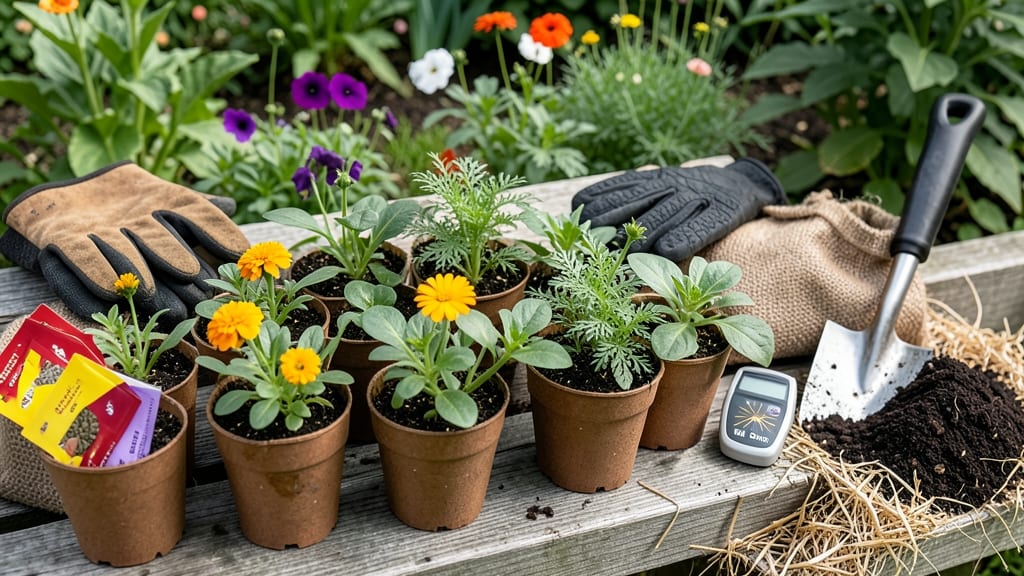
Timing when to plant annuals in Colorado just right means the difference between a burst of color and a season of disappointment—because those late frosts and high-altitude swings can throw off even the most eager gardeners.
If you've ever watched your seedlings wilt after a surprise frost or struggled to get warm-season blooms off the ground, you're not alone. Colorado's USDA Zones 5-7 demand precision, and the key isn't just waiting for spring—it's knowing exactly when to plant for your specific microclimate.
In this guide, I'll break down the perfect planting windows for both cool-season and warm-season annuals, including how to adjust for Denver's urban heat islands and the Rocky Mountains' chill.
You'll learn when to start seeds indoors, when to harden off transplants, and how to push your growing season with simple tricks.
Whether you're a first-time gardener or a veteran with frost-bitten memories, these insights will help you time your plantings like a pro—so you can enjoy nonstop blooms from May through October without the guesswork.
Colorado’s annual planting timeline by USDA Zone 5-6 (with frost date maps)
Colorado’s USDA Zones 5-6 create a unique gardening puzzle, where last frost dates can vary by hundreds of miles. Denver’s average last frost is April 15, but mountainous areas like Grand Junction may see frost-free soil as early as March 20.
Understanding these microclimate differences ensures your annuals thrive.
For cool-season annuals like pansies or lettuce, I start sowing seeds indoors by February 15—this gives them a head start before transplanting after the last frost. Warm-season favorites (tomatoes, marigolds) need to wait until soil warms to 50°F+, typically mid-May in Denver but late April in lower elevations.
Here’s how to navigate Colorado’s frost-free window (usually 120-180 days): Plan for two planting waves—spring and early fall—to maximize blooms. Early spring plantings (after last frost) focus on cool-tolerant varieties, while fall plantings (August-September) extend the season with heat-resistant annuals.
🌱
| Zone/Region | Last Frost Date | Ideal Planting Window | Notes |
|---|---|---|---|
| Denver (Zone 5) | April 15 | April 20–May 10 (spring) August 15–September 10 (fall) |
Use row covers for early starts |
| Colorado Springs (Zone 5) | April 5 | April 10–May 5 (spring) August 10–September 5 (fall) |
Higher elevation = cooler nights |
| Grand Junction (Zone 6) | March 20 | March 25–April 15 (spring) August 1–September 1 (fall) |
Longer growing season; plant earlier |
| Mountainous Areas (Zone 4-5) | May 10 | May 15–June 1 (spring) July 15–August 1 (fall) |
Short season; choose cold-hardy varieties |
Colorado’s Front Range (Denver, Colorado Springs) typically follows the April 15 last-frost guideline, but high-altitude gardens above 7,000 feet may face frost until May 10. Always check local frost maps from the Colorado State University Extension for real-time updates—these tools adjust for year-to-year variability.
For vegetable annuals, I prioritize fast-maturing varieties like bush beans (60 days) or radishes (30 days) to fit Colorado’s short season. Slower growers like tomatoes (80+ days) need to be started indoors by March 1 for transplanting after the last frost.
Don’t forget fall planting! Many annuals, like cosmos or zinnias, thrive when sown in late summer. These heat-tolerant bloomers can handle Colorado’s September warmth before the first frost hits in mid-October.
🌿
Pro tip: Use soil thermometers to confirm 50°F+ soil temps before planting warm-season annuals. Cold soil slows germination, and Colorado’s thin mountain air can make seedlings struggle if conditions aren’t ideal. Pair this with mulching to retain heat and moisture—critical for high-desert gardens.
Finally, keep an eye on weather forecasts in late spring. A late frost in May can devastate tender seedlings, so have row covers ready to protect your marigolds, petunias, or basil until the coast is clear.
How to adjust planting times for Colorado’s microclimates (high altitude vs. Front Range)
Colorado’s diverse geography means your planting timeline can vary by hundreds of miles—and even 1,000 feet in elevation. While Denver’s USDA Zone 5b might suggest planting in mid-April, mountain towns like Leadville (Zone 6a) often wait until early May.
These differences aren’t just about dates; they affect soil warmth, frost risk, and which annual varieties thrive. For example, cosmos and zinnias may bolt in high-altitude heatwaves, while pansies can survive early spring frosts at lower elevations.
Microclimates also create urban vs. rural divides. City gardens in Colorado Springs (Zone 6a) benefit from urban heat islands, allowing earlier planting, while western slope regions (Zone 6b-7a) have longer growing seasons but cooler nights. Even your yard’s slope matters—south-facing beds warm faster, while north-facing spots mimic high-altitude conditions.
To navigate this, I’ve tested row covers, cold frames, and heat-tolerant varieties to push blooms by 2-3 weeks in both directions.
| Microclimate | Last Frost Date | First Frost Date | Adjustment Tip |
|---|---|---|---|
| Denver (Zone 5b) | April 20–May 5 | October 10–20 | Use row covers for cool-season starts in March |
| Colorado Springs (Zone 6a) | April 10–25 | October 5–15 | Plant heat-lovers like portulaca in July for fall color |
| Leadville (Zone 6a) | May 15–June 1 | September 20–October 5 | Start cold frames in April for hardy annuals |
| Grand Junction (Zone 6b) | April 5–15 | October 20–November 5 | Extend season with drip irrigation and mulch |
For high-altitude gardens, I’ve found that soil temperature lags behind air temperature by 2-3 weeks. Use a soil thermometer to confirm 50°F before planting warm-season annuals like marigolds or sunflowers.
In my Eagle County garden (Zone 6a), I’ve successfully planted pansies in late March by combining black plastic mulch with frost cloth. This combo raises soil temps by 5–8°F and protects against 28°F dips.
For Front Range gardens, focus on shade cloth during July-August to prevent heat stress in delicate annuals like petunias.
My biggest mistake? Ignoring wind exposure. Gardens in open prairie areas (like near Fort Collins) dry out faster, while wooded slopes stay moist longer. I now group drought-tolerant annuals (e.g., lantana, verbena) in windy spots and water-loving varieties (e.g., coleus, impatiens) near shelter.
A simple windbreak of bamboo stakes has added 10–14 days to my fall blooms by reducing evaporation.
To stretch your growing season, try these proven tactics:
- Spring: Use mini greenhouses or cold frames to plant cool-season annuals 3–4 weeks earlier.
- Summer: Apply reflective mulch (like white landscape fabric) to lower soil temps by 10°F in July heatwaves.
- Fall: Sow fast-maturing annuals (e.g., radishes, bachelor’s buttons) in late August for September-October color.
The key is observation. Track your local frost dates for 3 years to spot patterns—my Colorado Springs garden has seen last frosts range from April 10 to May 10 over a decade.
With these adjustments, you can enjoy continuous blooms from May through October, even in Colorado’s most challenging microclimates.
🌿