
Planting
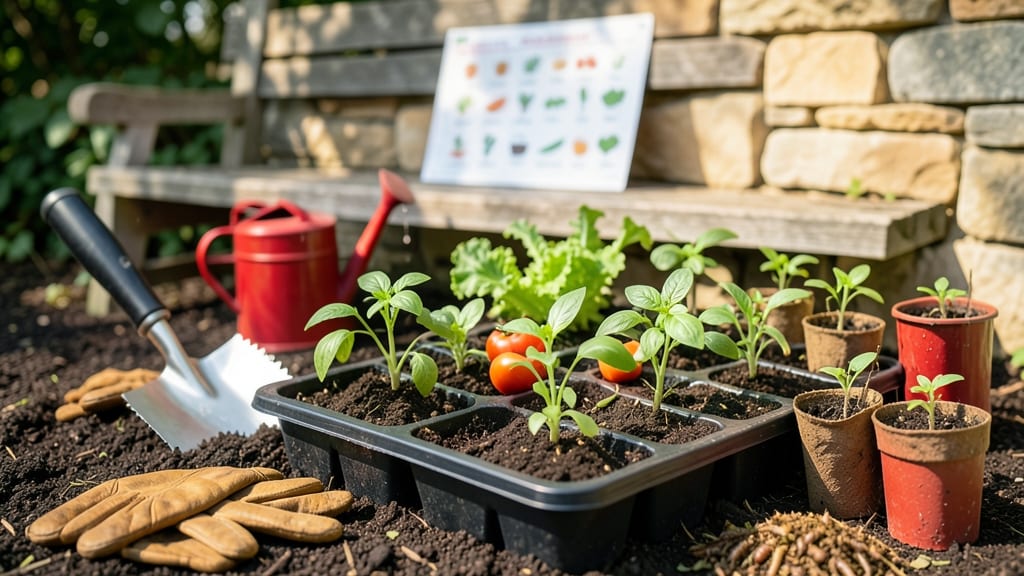
When to plant a vegetable garden in California can feel like solving a puzzle—one wrong move, and your 🌱 lettuce bolts or your tomatoes wilt before fruiting. The key? Understanding that Southern California’s mild winters and the Central Valley’s scorching summers demand completely different planting strategies.
I’ve spent years testing what works in my own garden, and the biggest mistake I see? Planting heat-lovers like okra too early in coastal zones—or freezing-sensitive greens too late in desert areas.
But here’s the good news: with the right regional guide, you can align your planting schedule with nature’s rhythm, not guesswork.
Whether you’re in the foggy Bay Area or the sunbaked Coachella Valley, this guide breaks down the exact windows for starting seeds and transplanting your favorite crops. We’ll cover frost dates, soil prep, and even how to cheat the system with season extenders so you can grow year-round.
Ready to stop second-guessing and start planting with confidence? Let’s dive into the microclimate-specific schedule that’ll turn your garden into a thriving harvest—no matter where in California you’re growing.
California planting zones: when to start seeds and transplant by region
California’s planting schedule isn’t one-size-fits-all—its 11 distinct microclimates create wildly different growing conditions. The coastal fog belt might still have chilly nights in May, while the Central Valley could hit 90°F by April.
Understanding your zone ensures you plant heat-lovers like okra at the right time and avoid bolting cool-season crops like spinach in summer heat.
Most gardeners rely on first/last frost dates, but California’s urban heat islands and elevation shifts mean you’ll need to adjust. For example, San Francisco’s last frost is typically March 15, while Bakersfield’s can be as late as February 1—a full month difference!
Start by checking your USDA Hardiness Zone (most of CA falls between 7b and 10a), then fine-tune with local data.
Here’s how to decode your region’s planting window using seed-starting dates and transplant times for 12 essential vegetables. The table below breaks it down by coastal, valley, and desert zones, so you can match your microclimate to the perfect schedule.
Pro Tip: Use succession planting to extend harvests. For example, in Los Angeles (Zone 10a), you can plant baby lettuce every 2 weeks from October through April for continuous greens.
| Vegetable | Coastal (SF/Oakland) | Central Valley (Sacramento) | Desert (Palm Springs) |
|---|---|---|---|
| Lettuce | Seed: Feb-Mar Transplant: Mar-Apr |
Seed: Mar-Apr Transplant: Apr-May |
Seed: Oct-Nov Transplant: Nov-Dec |
| Tomatoes | Transplant: May-Jun | Transplant: Apr-May | Transplant: Mar-Apr |
| Peas | Seed: Oct-Nov Transplant: None |
Seed: Nov-Dec Transplant: None |
Seed: Oct Transplant: None |
| Okra | Transplant: Jun-Jul | Transplant: May-Jun | Transplant: Apr-May |
| Carrots | Seed: Feb-Mar Transplant: None |
Seed: Sep-Oct Transplant: None |
Seed: Oct-Nov Transplant: None |
| Cucumbers | Transplant: May-Jun | Transplant: Apr-May | Transplant: Mar-Apr |
| Spinach | Seed: Sep-Oct Transplant: None |
Seed: Sep-Oct Transplant: None |
Seed: Nov-Dec Transplant: None |
| Peppers | Transplant: Jun-Jul | Transplant: May-Jun | Transplant: Apr-May |
*Adjust dates 2-4 weeks earlier for high-elevation areas (e.g., Sierra foothills).
Notice how coastal areas can plant
Spring in California is your golden window for cool-season crops, but timing varies dramatically by region. In the Bay Area, you can start planting lettuce and spinach as early as February, while the Central Valley waits until March or April to avoid frost. Even within cities, urban heat islands can shift your schedule by weeks—so check your local microclimate first! For coastal areas like San Francisco, focus on heat-sensitive greens like kale and broccoli in late winter. Meanwhile, desert regions such as Palm Springs can plant warm-season crops like tomatoes and peppers in early March, avoiding the risk of late frosts that rarely occur there. The key is matching your crop to your region’s last frost date. Here’s your region-specific planting timeline for spring 2024, broken down by microclimate: Pro tip: Use succession planting to keep your harvests rolling. For example, in the Bay Area, sow radishes every 2 weeks from February to May for a continuous supply. In the desert, stagger tomato plantings every 3 weeks to avoid overwhelming your plants during peak heat. ⚠️ Warning: Avoid planting warm-season crops like tomatoes or basil too early in coastal areas—they’ll bolt (flower prematurely) when temperatures dip below 50°F. Similarly, don’t rush cool-season crops in the desert; they’ll wilt in 80°F+ soil. Always check your local USDA hardiness zone and frost-free dates for precision. For urban gardeners, containers give you flexibility to move heat-sensitive plants to shadier spots during heatwaves. Just remember: Soil warms faster in pots, so wait until nighttime temps stay above 55°F before transplanting seedlings. Happy planting!Best vegetables to plant now (spring 2024) by California microclimate