Companion Plants
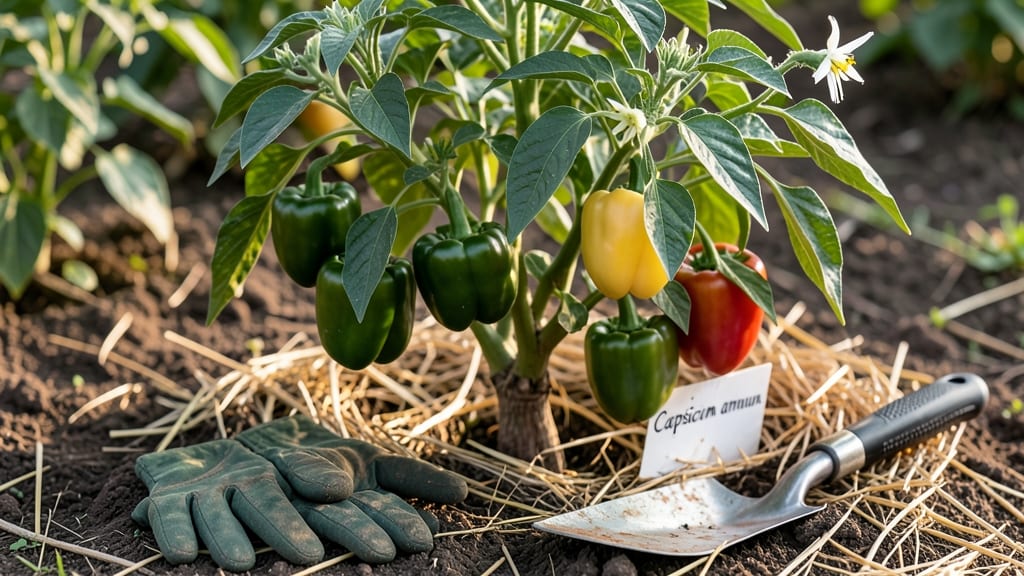
Planting bell peppers in Pennsylvania isn’t just about grabbing seeds and sticking them in the dirt—it’s about timing everything perfectly to beat frost, soil temperature quirks, and regional weather surprises. Get it wrong, and you’ll end up with wilted seedlings or a harvest that never arrives.
The key? Knowing exactly when soil warms up and when those last frost dates actually hit in your corner of PA—because a 5°F difference can mean the difference between thriving plants and a total loss.
Most Pennsylvania gardeners swear by the April 15–June 1 window for planting bell peppers 🌶️, but here’s the catch: your exact timing depends on whether you’re starting seeds indoors or sowing directly, plus where you live.
In Pittsburgh (USDA zone 6a), you might have a few extra weeks of frost risk compared to Philadelphia (zone 7a). I’ll break down the critical soil temperature triggers—like waiting until the ground hits 60°F+—so you don’t waste time on cold, sluggish starts that’ll never take off.
What if you miss the window? No worries—I’ll show you how to stretch your growing season with row covers, cold frames, or even a simple DIY greenhouse hack.
You’ll also learn the 3 biggest mistakes PA gardeners make (like planting too early or ignoring soil warmth tests) and how to spot them before they sink your harvest.
By the end, you’ll have a foolproof schedule tailored to your microclimate, so your bell peppers go from seed to table without a hitch.
Ready to stop guessing and start growing? Let’s dive into the exact dates, tools, and tricks that’ll give you a bumper crop of sweet, crisp bell peppers—no matter where in Pennsylvania you’re planting. Your July–October harvest starts with the right move now.
Ideal soil temperature & last frost dates for bell pepper planting in PA
Pennsylvania’s USDA zones 5b-7a create a tricky balance for bell peppers—too cold, and your seedlings won’t germinate; too late, and your harvest suffers. The key? Soil temperature and last frost dates, which vary dramatically across regions like Philadelphia, Pittsburgh, and rural areas.
Let’s break it down so you can plant with confidence.
Bell pepper seeds need soil temperatures of 50°F+ to germinate, but seedlings won’t thrive until the soil hits 60°F+. In PA, this typically means waiting until mid-to-late May for most areas, but rural zones (like USDA 5b) may need to wait until early June.
Always check your local last frost date—Philadelphia averages April 15, while Pittsburgh leans toward May 1.
To avoid guesswork, use a soil thermometer ($10 at garden centers) and test your beds in the morning. If the soil is below 60°F after a week of warm days, delay planting. Cold soil slows growth and invites damping-off disease, a fungal killer of young seedlings.
PA’s microclimates complicate things further. Urban areas like Philadelphia warm up faster due to heat islands, while mountainous regions (e.g., Poconos) lag behind. For accuracy, consult the Penn State Extension’s frost date maps or use the Almanac’s Frost Calculator for your ZIP code.
Here’s the golden rule: Never plant bell peppers outdoors until the nighttime temperatures stay above 55°F. A late frost in May (common in USDA 6a) can devastate unprotected seedlings.
If you’re in doubt, err on the side of waiting—bell peppers are slow to mature (75–90 days to harvest), so a delayed start is better than a failed crop.
Pro tip: Use black plastic mulch to warm soil faster (it can raise temperatures by 5–10°F). Lay it down 2–3 weeks before planting to give your soil a head start. This is especially useful in cooler PA zones (5b–6a) where soil lingers near 50°F into May.
If you’re planting in containers, soil warms up 2–3 days faster than in-ground beds. Place pots in a sunny, sheltered spot (like a patio) to accelerate warming. Just ensure your container is at least 12 inches deep—bell peppers need room for roots.
For direct sowing (planting seeds outdoors), aim for late May to early June in most of PA. Seeds won’t germinate in cold soil, so skip this method if your area has a history of late frosts.
Instead, start seeds indoors 8–10 weeks before your last frost for a head start.
🌱 PA Bell Pepper Planting Timeline by Region
| Region | USDA Zone | Avg. Last Frost | Ideal Planting Window | Soil Temp Goal |
|---|---|---|---|---|
| Philadelphia | 6b–7a | April 15 | May 1–15 (transplant) or May 15–June 1 (direct sow) | 60°F+ |
| Pittsburgh | 6a–6b | May 1 | May 15–June 1 (transplant) or June 1–15 (direct sow) | 60°F+ |
| State College | 6a | May 10 | May 20–June 1 (transplant) or June 1–15 (direct sow) | 60°F+ |
| Poconos (Rural) | 5b–6a | May 15 | June 1–15 (transplant only) | 60°F+ |
⚠️ Note: Adjust dates 1–2 weeks earlier for south-facing beds or with row covers.
If you’re starting seeds indoors, begin them 8–10 weeks before your last frost. For Philadelphia (April 15), that’s mid-February; for Pittsburgh (May 1), early March. Use a grow light or sunny windowsill to prevent leggy seedlings
Step-by-step planting schedule for PA’s microclimates (indoor starts vs. direct sowing)
Pennsylvania’s microclimates mean your last frost date could vary by weeks—Philadelphia’s April 15 vs. Pittsburgh’s May 1. To adapt, I’ll walk you through indoor seed-starting timelines and direct-sowing windows tailored to PA’s unpredictable springs.
For indoor starts, begin seeds 8–10 weeks before your average last frost. That means February 15–March 1 for most of PA, but March 15 if you’re in the Poconos (USDA Zone 5b). Use grow lights for 14–16 hours/day to prevent leggy seedlings.
Here’s how to adjust for PA’s microclimates—whether you’re in Philadelphia, Pittsburgh, or rural areas—plus key steps to avoid transplant shock when moving seedlings outdoors.
- Feb 15–Mar 1: Start seeds indoors (8–10 weeks before last frost). Use seedling heat mats to maintain 70–80°F soil temp for germination.
- Mar 15–Apr 1: Harden off seedlings (1 week of outdoor exposure). Start with 1–2 hours/day, increasing gradually.
- Apr 15–May 1: Transplant after soil reaches 60°F+. Use mulch to retain warmth and row covers for frost protection.
- May 15–Jun 1: Direct-sow seeds (1/4 inch deep) in warmed soil (use a soil thermometer to confirm). Ideal for late-summer varieties like 'Carmen' or 'Jupiter'.
- Jun 15–Jul 1: Succession plant for fall harvests. Choose shorter-day varieties like 'Sweet Banana' for cooler weather.
If you’re direct-sowing (skipping seedlings), wait until after May 15—unless you’re in Zone 7a (southern PA), where April 30 is safer. Plant seeds 1/4 inch deep, 18 inches apart, and use black plastic mulch to warm soil faster.
Pro tip: Use biodegradable pots for seedlings to avoid root disturbance during transplanting. Water deeply the day before moving outdoors to reduce shock. For emergency frost protection, cover plants with frost cloth or a clear plastic tunnel if temps drop below 50°F.
Remember, PA’s spring weather is unpredictable—always have a backup plan for late frosts. Monitor forecasts and be ready to extend your season with row covers or a mini greenhouse if needed.