
Planting
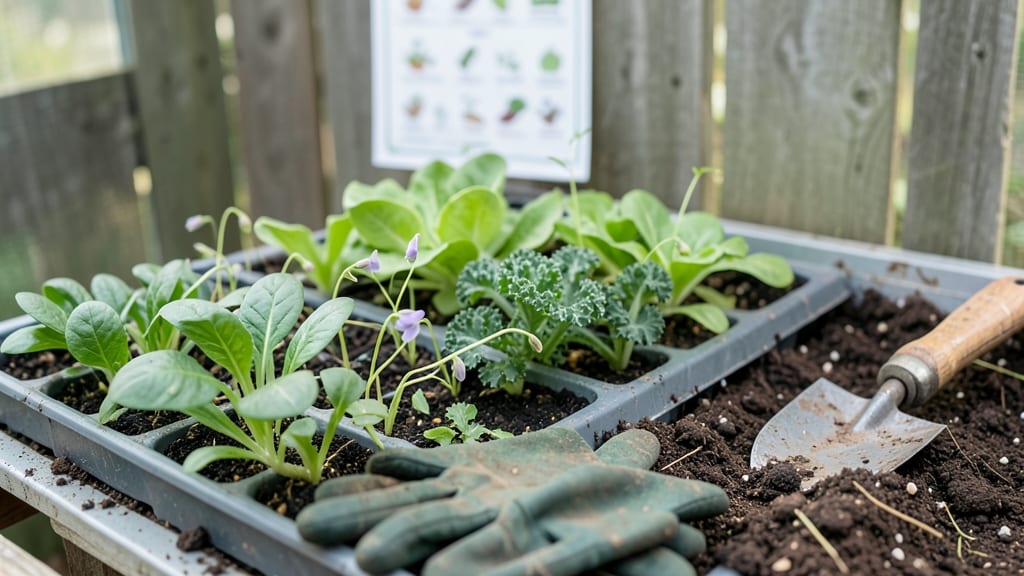
When to plant a vegetable garden in New York isn’t just about throwing seeds in the dirt—it’s the difference between a thriving 🌱 harvest and a sad, wilted disappointment. With frost dates shifting from Albany’s May 15 to NYC’s April 15, getting it wrong means wasted effort (and maybe even a few frustrated gardening rants).
I’ve spent years watching my own plots in USDA zones 5b-7b struggle through late frosts and early heatwaves, and what I learned is that planting windows are everything.
Whether you’re growing tomatoes that need warmth or kale that thrives in cool weather, knowing exactly when to start means more food on your table—and fewer trips to the grocery store.
Here’s the good news: New York’s climate actually works in your favor if you play by the rules. Cool-season crops like spinach can go in as early as mid-April, while heat-lovers like peppers need to wait until after the last frost—usually late May to early June.
But there’s a catch: fall planting is just as critical, with some crops (like broccoli) needing to hit the soil by late July to mature before frost.
Ready to stop guessing and start growing? I’ll walk you through the exact planting schedule for your region, plus pro tips to stretch your season—because in New York, the growing year is shorter than you think, and every day counts.
New York’s last frost dates by region: critical planting windows for vegetables
New York’s diverse climate zones mean your planting schedule should depend on whether you’re in NYC’s urban heat island, the Adirondacks’ cooler highlands, or Long Island’s coastal breezes.
The last spring frost and first fall frost dates vary dramatically—getting them wrong can mean wilted seedlings or frozen harvests. For example, Buffalo’s last frost often hits May 10, while NYC’s can be as early as April 15.
Understanding these dates helps you align your cool-season crops (like kale and peas) with early spring and warm-season crops (like tomatoes and peppers) with late spring.
Microclimates—like south-facing slopes or urban concrete heat—can shift frost dates by 1-2 weeks, so always check local records or use NY-specific frost calculators.
Here’s a breakdown of last frost dates and planting windows for New York’s key regions, along with crop-specific timing to maximize your harvest:
| Region | Last Spring Frost | First Fall Frost | Cool-Season Planting Window | Warm-Season Planting Window |
|---|---|---|---|---|
| NYC (Zone 7a) | April 15 | November 1 | March 15–April 30 | May 15–June 15 |
| Long Island (Zone 7b) | April 1 | October 31 | February 28–April 15 | May 1–June 10 |
| Upstate (Albany, Zone 5b) | May 15 | October 10 | April 15–May 15 | June 1–June 25 |
| Western NY (Buffalo, Zone 6b) | May 10 | October 15 | April 1–May 10 | May 20–June 20 |
| Adirondacks (Zone 5a) | May 20 | September 25 | April 30–May 20 |
Best vegetables to plant in New York by season: month-by-month planting guideNew York’s diverse climate zones mean your planting schedule should shift based on whether you’re in USDA Zone 5b (Upstate) or Zone 7a (NYC). Cool-season crops like spinach and kale thrive in early spring and fall, while tomatoes and peppers need warm soil to germinate. Here’s your month-by-month guide to maximize harvests. Start with cool-season crops in March (hardy varieties like peas and lettuce) and transition to warm-season plants by May. In July and August, focus on fast-maturing varieties (e.g., bush beans) to beat the first frost. Fall planting (late July–early September) lets you squeeze in another round of kale, carrots, and radishes before winter sets in. 1
March–April (Cool-Season): Plant peas, spinach, lettuce, and onions. Use row covers to protect from late frosts.
2
May–June (Warm-Season): Direct-sow tomatoes, peppers, and cucumbers after the last frost (mid-April in NYC, mid-May Upstate). Start indeterminate varieties early for longer harvests.
3
July–August (Succession Planting): Sow bush beans, radishes, and summer squash every 2–3 weeks for continuous harvests. Choose fast-maturing varieties (e.g., ‘Early Girl’ tomatoes).
4
September–October (Fall Crops): Plant kale, carrots, and garlic for winter harvests. Use black plastic mulch to warm soil for late spinach or broccoli.
For urban gardeners, prioritize compact varieties like bush beans or ‘Tiny Tim’ peas. In Upstate NY, where frosts linger longer, delay warm-season crops until May 15 or use row covers. Always check your local last frost date—NYC’s is typically April 15, but Upstate can be 2–3 weeks later. Pro tip: Succession plant every 2 weeks for leafy greens and radishes to avoid gluts. For example, sow a new batch of lettuce every 10 days from April to September. This ensures a steady supply without waste. Don’t overlook perennial crops like asparagus and rhubarb, which establish roots in spring and produce for years. Plant crowns in early spring (March–April) for a low-maintenance harvest starting in Year 2. 🌱 |