
Companion Plants
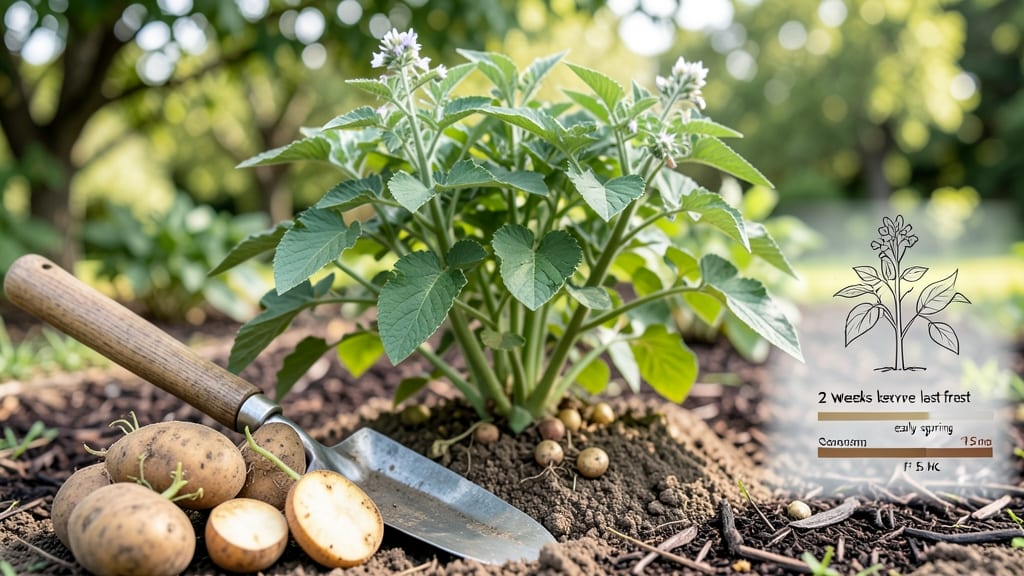
Planting your 🥔 potatoes at the right time in Zone 6B could mean the difference between a garden full of crisp, golden spuds and a sad, frost-nipped disappointment.
Skip the guesswork and plant too early, and you’ll risk losing your crop to late frosts—something that’s happened to more gardeners than I can count.
Here’s the secret: in Zone 6B, you’ve got two windows to get it right—early spring (as soon as soil warms to 45°F) or late winter (4-6 weeks before your last frost, typically around mid-March).
I’ll break down exactly when to start, whether you’re using seed potatoes or seeds, and how to adjust for those tricky spring cold snaps that love to mess with our plans.
Why does timing matter so much? Potatoes need 70-120 days to mature, and planting too late means you’ll be harvesting just as summer turns to fall—leaving your tubers small or starchy.
I’ll show you how to stretch your growing season, pick the best varieties for Zone 6B, and even troubleshoot if Mother Nature throws a curveball your way.
Ready to grow potatoes that’ll make your neighbors jealous? Let’s dive into the exact weeks you should be planting—so you can enjoy a harvest that’s bigger, faster, and foolproof.
Zone 6B potato planting timeline: exact weeks before last frost for maximum growth
In Zone 6B, where the last frost typically hits around April 15, timing your potato planting is critical for maximizing yields. Potatoes thrive when soil temperatures reach at least 45°F, but planting too early risks frost damage, while waiting too long cuts harvest time.
The ideal window spans 4-6 weeks before your last frost date, but this varies based on your specific variety and local microclimates.
For early varieties (like Yukon Gold or Red Pontiac), aim to plant 4-5 weeks before last frost—usually mid-March to early April. These fast growers (60-90 days to maturity) can handle cooler soils and still produce a harvest before summer heat peaks.
Meanwhile, late varieties (such as Kennebec or Russet Burbank) need 3-4 weeks before last frost to mature fully by fall.
Here’s the golden rule: Potatoes grow best when soil temps are 50-70°F. If your spring is slow to warm, use row covers or black plastic mulch to accelerate soil heating.
In Zone 6B, this often means starting in late March for early varieties and early April for late ones.
🌱
Zone 6B Potato Planting Timeline
| Stage | Action | Soil Temp | Time Before Last Frost |
|---|---|---|---|
| Prepare Seed Potatoes | Cut certified seed potatoes into 1.5" chunks with 2+ eyes | N/A | 6-8 weeks before planting |
| Early Varieties | Plant 4-5 weeks before last frost (mid-March) | 45-50°F | 4-5 weeks |
| Mid Varieties | Plant 3-4 weeks before last frost (early April) | 50-55°F | 3-4 weeks |
| Late Varieties | Plant 2-3 weeks before last frost (late April) | 55-60°F | 2-3 weeks |
| Harvest Early Potatoes | New potatoes ready in 60-70 days | 60-70°F | N/A |
| Harvest Main Crop | When foliage yellows (90-120 days) | 65-75°F | N/A |
📅 Pro Tip: Use a frost date calculator (like Old Farmer’s Almanac) to adjust for your exact location in Zone 6B.
If you’re unsure about your last frost date, err on the side of planting earlier. Potatoes can tolerate light frosts once sprouted, but soil must be workable—no muddy, compacted ground.
For Zone 6B gardeners, this often means waiting until mid-to-late March unless you’re using row covers to protect young plants from late frosts.
Another strategy is succession planting: Start with early varieties in March, then add mid-season types in early April, and finish with late varieties in late April. This stretches your harvest from June through September, ensuring a continuous supply of fresh potatoes.
How to adjust potato planting for zone 6B’s unpredictable spring weather
Zone 6B’s unpredictable spring weather can throw off even the most experienced gardener. One day it’s 60°F and sunny, the next it drops to 32°F with frost. The key is flexibility—knowing how to protect your potatoes and adjust your planting schedule when Mother Nature surprises you.
I’ve learned that late frosts are the biggest threat, but with the right strategies, you can still get a great harvest.
First, monitor your local frost dates closely. While the average last frost in Zone 6B is around April 15, it can vary by 1-2 weeks depending on your exact location.
Use a frost calendar or sign up for local weather alerts to stay ahead. If a late frost is forecasted after you’ve planted, don’t panic—there are ways to shield your seedlings.
Here’s my go-to strategy: plant early varieties first (like Yukon Gold or Red Pontiac) in late February or early March under row covers or cold frames. These cold-hardy potatoes can tolerate 40-45°F soil temperatures and even light frosts.
If you’re worried about soil warming too slowly, try black plastic mulch or straw bales to raise the temperature faster.
If frost hits after planting:
- Cover seedlings immediately with frost cloth or old blankets—even a light frost can kill young plants.
- Avoid watering before frost—wet foliage freezes faster. Water deeply the day before if needed.
- Use row covers for 2-3 weeks post-planting to create a 5-10°F warmer microclimate.
If soil stays too cold:
- Delay planting until soil reaches 45°F (use a soil thermometer to check).
- Start seed potatoes indoors in pots or egg cartons 4-6 weeks before the last frost, then transplant.
- Avoid planting too early—seed potatoes rot in cold, wet soil.
Another trick I swear by is planting in raised beds. They warm up faster than in-ground soil and drain better, reducing the risk of waterlogged seed potatoes. Fill the bed with a mix of compost, straw, and sand to improve drainage and insulation.
If you’re planting in cool, damp springs, add a thick layer of straw mulch after planting to keep soil temps stable.
For those late-spring surprises, like a heatwave after frost, adjust your watering schedule. Potatoes need consistent moisture, but sudden heat can cause blossom end rot or scab disease. Water deeply in the morning and mulch heavily to retain moisture.
If your plants look stressed or wilted, they might be struggling with temperature swings—give them a light fertilizer boost with compost tea to recover.
Finally, keep a planting journal to track what works in your specific Zone 6B microclimate. Note when you planted, soil temperatures, and any weather anomalies. Over time, you’ll spot patterns—like “my garden always gets a frost around May 5”—and adjust accordingly.
With these strategies, you’ll beat unpredictable spring weather and still enjoy a bountiful potato harvest.