
Planting
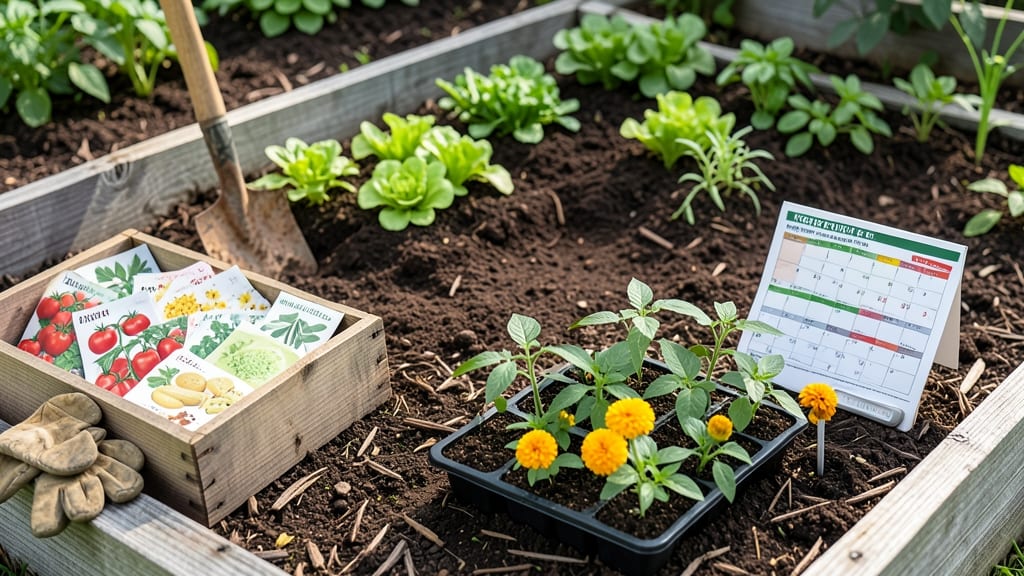
Planting a garden in Kentucky at the wrong time can mean the difference between a thriving harvest and a sad pile of frost-nipped seedlings. With USDA Zones 5-6 bringing unpredictable spring weather, knowing the perfect planting window is the key to success—especially when late frosts can strike even in April.
I’ve spent years growing a 🌱 in Kentucky’s climate, and the secret isn’t just about dates—it’s about reading the soil, tracking frost risks, and adjusting for your specific corner of the state. Whether you’re in the cooler mountains or the warmer Bluegrass region, timing matters more than you might think.
From cool-season crops like spinach and peas to heat-loving tomatoes and peppers, each plant has its own ideal window. I’ll walk you through the exact months to start seeds indoors, transplant seedlings, and even when to sow directly into the ground for a zero-frost guarantee.
Ready to avoid the April Fool’s Frost and grow a garden that actually thrives? Let’s dive into the step-by-step timeline that’ll have your plants off to the best possible start.
Kentucky planting calendar: exact dates for vegetables, flowers, and herbs by month
Kentucky gardeners face a unique challenge: balancing late spring frosts in Zone 5 with early summer heat in Zone 6. The average last frost date ranges from April 15 in Northern Kentucky to March 30 in Southern Kentucky, while the first frost typically arrives between October 15-30.
These dates create a 180-day growing window—perfect for strategic planning.
To maximize your harvest, I’ve broken down planting by month and crop type, accounting for Kentucky’s microclimates. For example, cool-season crops like lettuce thrive when soil temps hit 40°F, while warm-season crops like tomatoes need 60°F+ soil. Let’s dive into the specifics.
🌱 PRO TIP: Use a soil thermometer to check temps—50°F is ideal for most seeds, but warm-season crops need warmer.
| Month | Cool-Season Crops | Warm-Season Crops | Flowers/Herbs | Soil Temp Goal (°F) |
|---|---|---|---|---|
| March | Peas, Spinach, Lettuce | — | Pansies, Calendula | 40-50°F |
| April | Broccoli, Carrots, Radishes | Tomato/pepper starts indoors | Sweet Alyssum, Basil | 50-60°F |
| May | Late lettuce, kale | Cucumbers, Beans (after frost) | Marigolds, Chives | 60-70°F |
| June | — | Sweet Corn, Peppers | Sunflowers, Dill | 70-80°F |
| July-Aug | — | Succession plant beans | Zinnias, Oregano | 65-75°F |
| September | Kale, Spinach, Radishes | Pumpkins, Winter Squash | Asters, Sage | 50-60°F |
🌡️ NOTE: Adjust for Northern KY (Zone 5a) by waiting 1-2 weeks longer for warm crops.
For perennials and bulbs, Kentucky’s fall planting (September-October) gives roots time to establish before winter. Daylilies and peonies thrive when planted in cool soil, while asparagus crowns need 6-8 months to root before harvest.
One of my biggest mistakes was planting tomato seedlings too early in Zone 5. They bolted in the April heatwave—a lesson in waiting for soil warmth. Use a soil thermometer to confirm 60°F+ before planting.
In Southern Kentucky (Zone 6), you can push warm-season crops like okra and sweet potatoes as early as mid-April, but Northern Kentucky gardeners should wait until May 1 to avoid frost damage. Always check UK Ag Weather for localized alerts.
For herbs like cilantro and parsley, direct sow in early spring or fall—they bolt in summer heat. Meanwhile, basil and oregano love hot Kentucky summers and can be planted after May 15.
Don’t forget succession planting! For lettuce and radishes, sow every 2 weeks from March to September to ensure a continuous harvest. This extends your growing season by 30-40%.
Finally, fall planting (August-September) is ideal for garlic and onions. Plant 6-8 weeks before first frost—in Kentucky, that’s late September for Northern regions and early October for Southern.
With this
How to adjust your planting schedule for Kentucky’s microclimates and frost risks
Kentucky’s USDA Zones 5-6 bring unique challenges like the infamous April Fool’s Frost—a late freeze that can devastate tender seedlings. Even experienced gardeners need strategies to outsmart these unpredictable weather patterns.
The key lies in understanding your microclimate and using protective tools like row covers or cold frames to extend your growing season safely.
Northern Kentucky (Zone 5) faces earlier last frosts (around April 15-30), while Southern Kentucky (Zone 6) enjoys a 10-14 day later window. Check local UK Ag Weather forecasts for real-time updates, as mountain regions can stay colder longer.
These regional differences mean your neighbor’s planting schedule might not work for you!
For cool-season crops like spinach and peas, start seeds indoors 6-8 weeks before last frost. Harden off seedlings gradually to prevent shock when transplanting.
In Zone 6, you can often plant radishes and lettuce as early as March 1, but cover them if nighttime temps drop below 32°F. My rule of thumb? When soil reaches 40°F, it’s safe for most cool-season veggies.
Protective structures make all the difference. A cold frame can extend your growing season by 4-6 weeks in both directions, while row covers (like Reemay fabric) add 2-4°F protection. I’ve used these to grow tomatoes in April without losing plants to frost.
For high-value crops like eggplants or peppers, consider a mini greenhouse or hoop house—they pay for themselves in extended harvests.
Don’t forget succession planting! Instead of planting all your bush beans or carrots at once, stagger them every 2-3 weeks. This ensures a steady supply and minimizes losses if a late frost hits.
For example, plant first rounds of lettuce in March, then again in April and May for continuous harvests through summer’s heat.
When in doubt, consult the Kentucky State University Extension planting calendar or use their frost probability maps. My garden thrives because I adjust based on real data—not just the calendar. With these strategies, you’ll beat Kentucky’s weather and enjoy a longer, more productive growing season.