
Plants
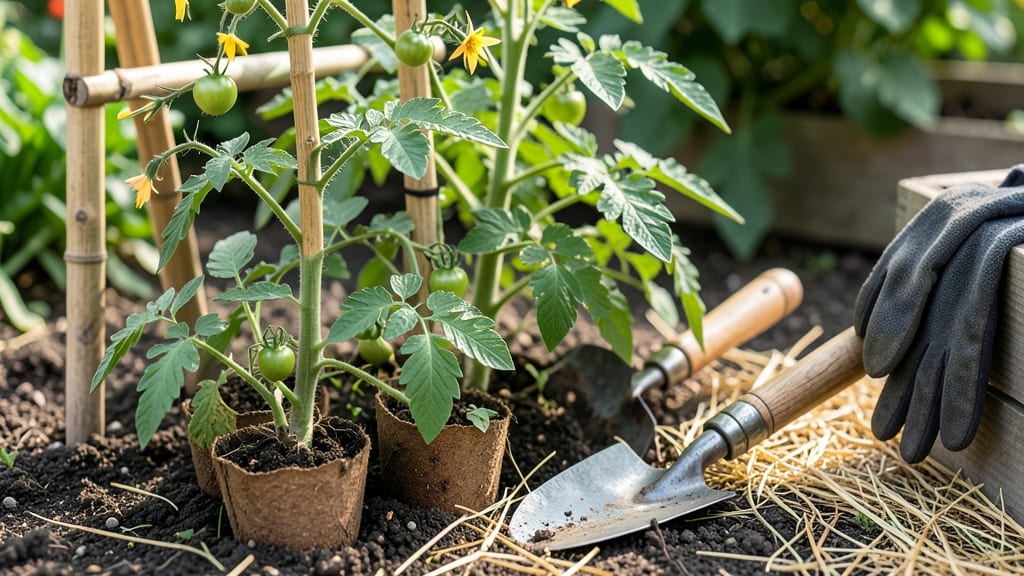
Planting tomatoes in Florida might seem straightforward—after all, you don’t have to worry about frost—but timing still matters more than you’d think. Miss the ideal windows, and you’ll battle heat stress, disease, or poor fruit set before your 🍅 even ripens.
The secret lies in understanding Florida’s unique heat zones, where even a few degrees can mean the difference between a bumper crop and wasted effort.
Most gardeners in USDA zones 9a-11 can plant tomatoes year-round, but the best harvests come from two key periods: spring (February–April) and fall (August–September). These months strike the perfect balance—soil warmth encourages strong roots, while temperatures stay cool enough to prevent bolting (that pesky early flowering that stunts your plants).
In this guide, I’ll break down the exact deadlines for your heat zone, whether you’re direct-sowing seeds or transplanting seedlings. You’ll also discover how to adjust for Florida’s humidity, pests, and summer heat spikes—so you can enjoy homegrown tomatoes from April through December without the guesswork.
Ready to turn your Florida garden into a tomato powerhouse? Let’s get started with the planting schedule that’ll have you harvesting like a pro.
Florida’s tomato planting deadlines by heat zone: exact dates to avoid frost & heat stress
Florida’s frost-free climate means you can grow tomatoes year-round, but heat stress and seasonal pests still dictate the best planting windows. Unlike northern states, Florida’s 11 USDA heat zones (8A-10A) create microclimates with distinct deadlines.
Planting at the wrong time can lead to bolting (premature flowering) or sunscald from summer’s relentless sun.
For spring planting, aim for February–April when soil warms to 60°F+. In fall, August–September offers cooler temps and fewer pests. Northern Florida (Zones 8A-9A) has slightly earlier deadlines than the frost-free southern regions (Zones 10A).
Here’s the breakdown by zone—because a 2-week difference can mean the difference between a bountiful harvest and struggling plants.
For succession planting, add new seedlings every 2–3 weeks to stagger harvests. In Zone 10A+, you can even plant year-round, but avoid peak summer (June–July) unless you use shade cloth to prevent bolting.
Pro tip: Soil temperature matters more than air temp. Use a soil thermometer—tomatoes need 60°F+ to thrive. If your soil is cooler, wait or use black plastic mulch to warm it faster.
Northern Florida growers should also watch for late-winter frosts (even in Zone 9A). If temps dip below 32°F, cover plants with frost cloth or row covers. In southern Florida, hurricanes in June–October can stress plants—secure stakes and mulch heavily before storms.
Timing isn’t just about months—it’s about microclimates. A shady spot in Zone 10A might need later planting than a sun-drenched raised bed in Zone 9B. Always observe your garden’s unique conditions.
🌱
Tomato varieties that thrive in Florida’s heat: best choices for early, mid, and late planting
Florida’s heat and humidity can turn tomato plants into leafy monsters instead of fruit producers—but the right varieties make all the difference. Heat-tolerant tomatoes like ‘Celebrity’ and ‘Solar Fire’ thrive in our climate, while disease-resistant types like ‘Mountain Merit’ fight off fungal pressures.
Choosing the right variety for your planting window ensures a bountiful harvest, whether you’re starting in spring or fall.
For early spring planting (February-March), focus on disease-resistant varieties that handle cooler soil temps. In summer (June-August), opt for heat-tolerant types that won’t bolt or sunscald. And for fall planting (August-September), pick varieties that mature quickly before winter chills set in.
Each type has its own ideal planting window and harvest timeline to maximize your Florida garden’s potential.
🌱 Top Tomato Varieties for Florida’s Climate
🌡️ Heat-tolerant, disease-resistant, red slicing tomato. Ideal for spring/fall planting.
🔥 Extreme heat lover, orange fruit, perfect for summer gardens.
🌿 Drought-resistant, red beefsteak, thrives in 90°F+ temps.
🛡️ Fusarium-resistant, red slicing, great for humid Florida.
🏡 Dwarf variety (1-3 ft), cherry tomatoes, perfect for containers.
🌞 Sweet yellow cherry tomatoes, heat-loving, great for summer harvests.
If you’re planting in North Florida (Zones 8A-9A), prioritize early-maturing varieties like ‘Mountain Merit’ to avoid late-season heat stress. In Central/South Florida (Zones 9B-11), you can grow heat-lovers like ‘Solar Fire’ year-round with proper shade during peak summer.
For container gardening, dwarf varieties like ‘Tiny Tim’ or ‘Patio’ thrive in Florida’s urban heat islands.
Pro tip: Always check your seed packet for days to maturity and align it with your planting window. A 60-day variety planted in March will harvest in May, while the same variety planted in August may struggle in September’s heat.
Succession planting every 2-3 weeks ensures a continuous harvest, regardless of Florida’s unpredictable weather shifts.
Don’t overlook indeterminate varieties like ‘Better Boy’ for trellised gardens—they produce fruit all season long if given proper support. Just be prepared to prune aggressively in Florida’s humidity to improve airflow and reduce disease risk. With the right variety and timing, your Florida tomato garden can be productive year-round.