
Plants
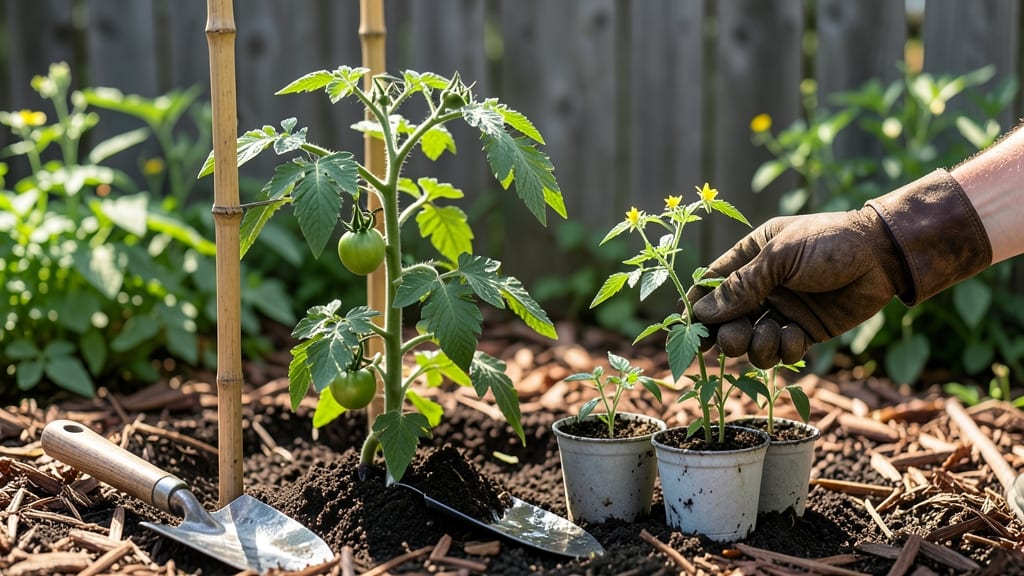
Planting tomatoes in Pennsylvania isn’t just about grabbing seeds and sticking them in the dirt—it’s about timing them perfectly to beat those sneaky late frosts and maximize your 🍅 harvest. Get it wrong, and you’ll either watch your seedlings freeze or struggle with bitter fruit before summer’s over.
The ideal window for most of the state is between April 15 and May 15, but that’s just the starting point. Whether you’re in Zone 5b near Erie or Zone 7a closer to Philadelphia, soil temperature and frost risks change everything.
I’ll break down exactly when to plant based on your region, which tomato varieties thrive in Pennsylvania’s short season, and how to protect your crop from unexpected cold snaps. No more guessing—just a foolproof plan for juicy, homegrown tomatoes all summer long.
Ready to turn your garden into a tomato powerhouse? Let’s get started with the deadlines and tricks that actually work for PA gardeners.
Pennsylvania planting zones: frost-free deadlines for tomatoes by region
Understanding Pennsylvania’s USDA hardiness zones 5b-7a is key to avoiding frost damage while maximizing your tomato harvest. The last average frost date varies dramatically across the state—from early April in southern regions like Philadelphia to late May in the northern Erie area.
Planting too early in colder zones risks losing seedlings to unexpected frosts, while waiting too long in warmer zones may result in over-mature fruit before the first frost.
Most Pennsylvania gardeners should aim to plant tomatoes 2-3 weeks after the last frost date for their specific zone. This ensures soil temperatures reach the ideal 60°F needed for germination and growth. For container-grown tomatoes, you can start 2 weeks earlier since pots warm up faster than garden soil.
Here’s how to translate frost dates into actionable planting windows for each major Pennsylvania region:
| Region | Last Frost Date | Recommended Planting Window | Key Variety Tip |
|---|---|---|---|
| Philadelphia/SE PA (Zone 7a) | April 15 | April 20 - May 5 | Heat-tolerant varieties like 'Solar Fire' |
| Pittsburgh/Central PA (Zone 6b) | April 25 | May 1 - May 15 | Mid-season varieties like 'Better Boy' |
| State College/North-Central (Zone 6a) | May 5 | May 10 - May 25 | Early varieties like 'Stupice' |
| Erie/NW PA (Zone 5b) | May 15 | May 25 - June 5 | Cold-hardy varieties like 'Mountain Merit' |
For northern Pennsylvania, where late frosts are common, consider using row covers or starting seeds indoors 6-8 weeks before your target planting date. In southern Pennsylvania, where summers are hot and humid, prioritize disease-resistant varieties like 'Celebrity' or 'Defiant PhR'.
Always verify your specific microclimate—urban areas like Philadelphia often experience urban heat islands that allow earlier planting, while rural highland areas may need to wait longer. Check local weather reports for 10-day forecasts before planting to avoid surprises.
Pro tip: Use biodegradable seed starter pots for transplants—they reduce transplant shock and make it easier to move plants if late frosts threaten. Plant determinate varieties (bush types) earlier than indeterminate (vining) types, as they mature faster and can handle cooler soils.
Remember, Pennsylvania’s first frost typically arrives between October 15 and November 1, depending on elevation. This gives you roughly 165 frost-free days in most zones—perfect for succession planting every 2 weeks to extend your harvest into fall.
If you’re unsure about your exact zone, use the USDA Plant Hardiness Zone Map or check with your local county extension office for hyper-local advice. They often track frost dates more precisely than general maps.
Best tomato varieties for Pennsylvania’s short vs. long growing seasons
Pennsylvania’s diverse growing seasons demand smart tomato variety choices. In shorter-season zones (like Erie’s Zone 5b), opt for early-maturing varieties that ripen in 45-60 days. Meanwhile, longer-season zones (like Philadelphia’s Zone 7a) can handle late-season varieties with 75+ days to maturity.
The key? Match your last frost date with the right days-to-maturity range.
For northern PA (Zones 5-6), prioritize cold-tolerant and disease-resistant varieties like ‘Stupice’ (45 days) or ‘Mountain Merit’ (65 days). These thrive in cooler temps and resist blight, a common PA issue.
In southern PA (Zones 7-8), heat-tolerant picks like ‘Celebrity’ (70 days) or ‘Solar Fire’ (65 days) shine, handling humidity and late-season heat better.
🌱
Pros:
- Ripen fast
- Great for short seasons
- Cold-tolerant
Cons: - Smaller fruit
- Lower yield
Pros:
- Balanced yield
- Versatile flavors
- Good for most zones
Cons: - Need longer season
- Vulnerable to late blight
Pros:
- Large fruit
- High yield
- Heat-tolerant
Cons: - Risk in short seasons
- Need extra care
Zones 5-6
Examples:
‘Stupice’, ‘Mountain Merit’
Zones 6-7
Examples:
‘Better Boy’, ‘Celebrity’
Zones 7-8
Examples:
‘Solar Fire’, ‘Brandywine’
Don’t overlook container-friendly varieties like ‘Tiny Tim’ (50 days) for balconies or ‘Patio’ (60 days) for small spaces. These compact plants thrive in 5-gallon pots and produce plenty of fruit despite limited root space.
If you’re in humid southern PA, look for disease-resistant hybrids like ‘Defiant PhR’ (70 days) to outsmart fungal pressures.
For succession planting, mix early and late varieties to stretch your harvest. Start with ‘Early Girl’ (50 days) in late April, then add ‘Big Beef’ (70 days) in mid-May.
This ensures continuous tomatoes from July through September, even in cooler zones. Just remember: late varieties need warmer soil—wait until May 15 or later in northern PA.
🌿
Pro tip: Check seed packets for “days to maturity” and “cold tolerance” labels. A 60-day variety planted on May 1 in Zone 6 (with a May 15 frost date) risks blossom drop if nights dip below 50°F.
When in doubt, err on the side of early—you can always prune suckers to delay fruiting if needed.