
Plants
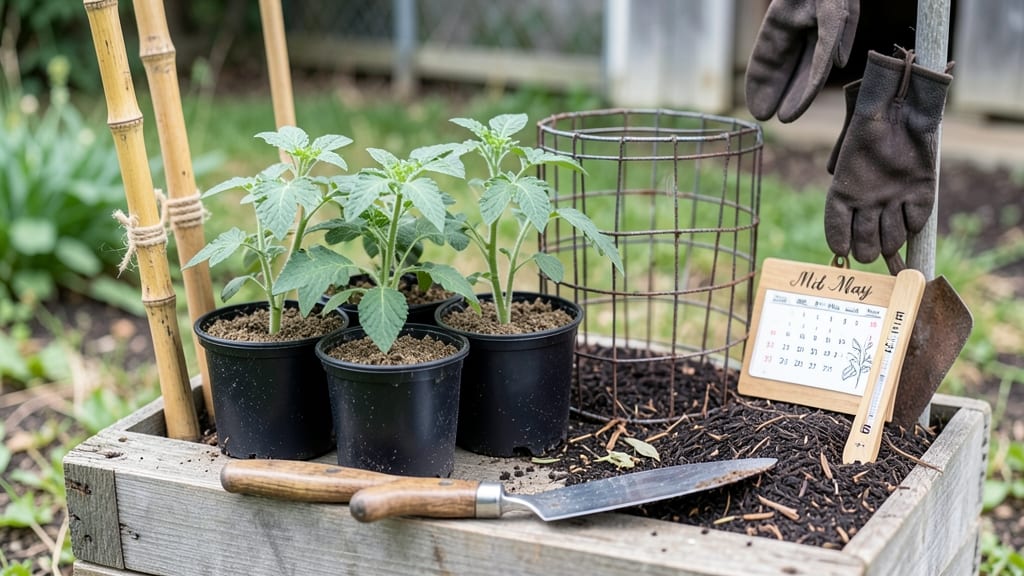
Planting tomatoes in Ohio at the wrong time can mean the difference between a bountiful harvest and a sad, frost-nipped failure—especially when late spring surprises strike. The best time isn’t just about dates; it’s about soil temperature, frost risks, and giving those 🍅 plants the warm start they crave.
Ohio’s Zone 6a climate means you’ve got a narrow window between last frost (usually around April 15) and scorching summer heat. If you plant too early, a surprise freeze will wipe out seedlings; too late, and your tomatoes won’t ripen before fall.
The secret? Waiting until the soil hits a steady 60°F—that’s when roots take off and plants thrive.
Here’s what you’ll discover: how to test soil temperature like a pro, the exact planting timeline for Ohio’s regions, and whether starting indoors or direct-sowing gives you the edge. Spoiler: row covers and black plastic mulch can shave weeks off your wait time.
Let’s cut through the guesswork so you can enjoy vine-ripened tomatoes from June to October—no frost-related heartbreak included.
Ohio’s ideal tomato planting timeline: frost dates, soil temps & Hardiness Zones
Ohio’s USDA Hardiness Zones 5-6 mean your tomato planting window is delicate—too early, and frost zaps seedlings; too late, and summer heat stresses young plants.
The key is planting when soil temperatures hit 50°F+ and frost risk drops below 10%, typically 2-3 weeks after Ohio’s average last frost date (April 15).
Northern Ohio (Zones 5) has a shorter growing season (140-150 frost-free days), while Southern Ohio (Zones 6) enjoys 160+ days. This means northern gardeners should prioritize early-maturing varieties like 'Early Girl' (60 days), while southerners can try later varieties like 'Brandywine' (85 days).
Here’s the critical timeline for Ohio: Start seeds indoors 6-8 weeks before last frost (early March), then transplant seedlings after May 1 when soil warms to 60°F+. Direct-sowing outdoors should wait until after May 15 to avoid late frosts.
🌱
| Region | USDA Zone | Last Frost Date | Ideal Planting Window | Soil Temp Threshold |
|---|---|---|---|---|
| Northern Ohio | 5 | April 20-May 5 | May 15-June 1 | 60°F+ |
| Central Ohio | 5b-6a | April 10-April 25 | April 30-May 15 | 55°F+ |
| Southern Ohio | 6a-6b | April 5-April 15 | April 15-May 1 | 50°F+ |
🌡️ Pro Tip: Use a soil thermometer to confirm temps—cold soil delays germination.
Ohio’s unpredictable late frosts (even in May) make row covers a game-changer. I’ve seen 50°F nights in late May—enough to kill tender seedlings. For extra protection, use black plastic mulch to warm soil 5-10°F faster than bare earth.
If you’re starting seeds indoors, use grow lights (not windowsills—Ohio’s spring light is weak). Transplant after hardening off (acclimating seedlings to outdoor conditions for 1-2 weeks) to avoid transplant shock.
For container gardening, plant 1-2 weeks later than in-ground—containers cool faster. Choose determinate varieties (bush types) for pots, as they handle heat better than indeterminate vining types.
🌿
Ohio’s humid summers mean succession planting is key. After harvesting your first batch in July, replant heat-tolerant varieties like 'Heatmaster' or 'Solar Fire' for a fall harvest before the first frost (October 15).
💧
How to test soil temperature & extend the Ohio tomato growing season
Ohio’s unpredictable spring weather can make or break your tomato harvest. The key to success? Soil temperature—tomatoes need at least 60°F (15°C) to germinate and thrive. If you plant too early, your seedlings will languish or die from cold soil, even if air temperatures seem warm.
Here’s how to check your soil’s readiness and extend the growing season for bigger, juicier tomatoes.
Most gardeners focus on air temperature and last frost dates, but soil temperature is the real game-changer.
A simple soil thermometer (available for under $10) inserted 2-3 inches deep will give you the accurate reading you need. Morning is the best time to check—soil warms up during the day, so an afternoon reading might be misleading.
Aim for consistent 60°F+ readings for at least 5 days before planting.
If your soil isn’t warm enough by your target planting date, don’t panic. Ohio gardeners use clever tricks to speed up soil warming and extend the season.
My top methods include black plastic mulch, which can raise soil temps by 5-10°F, and row covers that protect young plants from late frosts while letting sunlight penetrate.
For a head start, consider greenhouse or cold frame starts—I’ve had success with transplants ready by early April, even in colder Ohio zones.
For Ohio gardeners in Zones 5-6, timing is everything. If you’re in southern Ohio (like Athens or Chillicothe), you might plant as early as mid-April, while northern areas (like Cleveland or Toledo) should wait until late April to early May.
My rule of thumb? Plant when lilacs bloom—this natural indicator usually aligns with 60°F soil temps in most of Ohio. Pro tip: Succession planting every 2 weeks after your first planting date ensures a continuous harvest until frost.
Don’t forget that container-grown tomatoes warm up faster than in-ground soil. If you’re using pots, place them in full sun on black trays or use heat mats for an extra boost.
I’ve had great luck with determinate varieties like ‘Roma’ in containers—they ripen faster and handle Ohio’s shortened summer better than indeterminate types. Just remember: Bigger containers = faster soil warming. Aim for at least 5-gallon pots for healthy plants.
By mastering soil temperature and extending your growing season with these tricks, you’ll beat Ohio’s unpredictable weather and enjoy homegrown tomatoes from June to October.
The secret? Patience and preparation—wait for the right temps, protect your plants early, and you’ll be rewarded with a bountiful harvest. Happy planting! 🌱