
Companion Plants
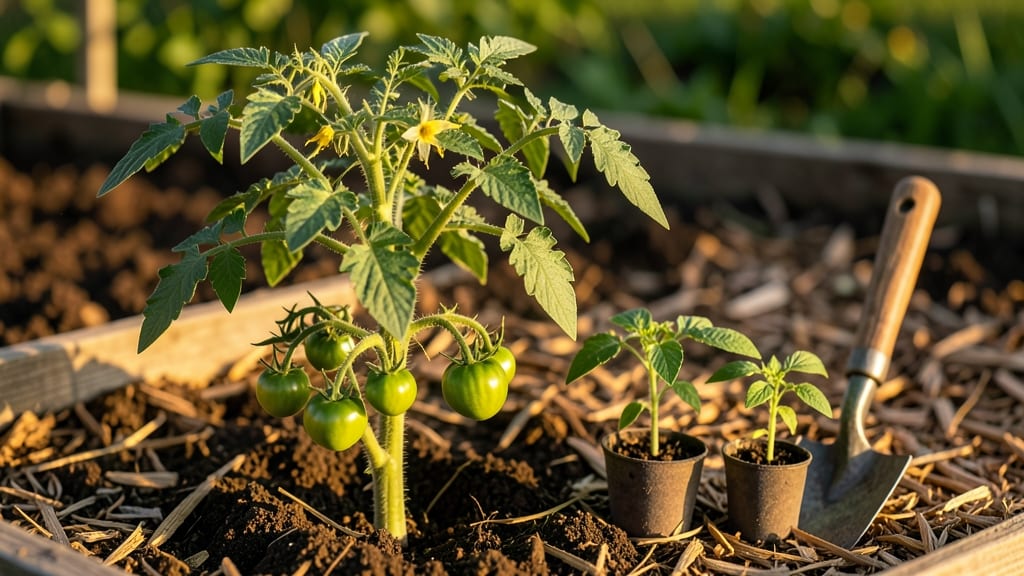
Planting your 🍅 tomatoes at the wrong time in Tennessee can mean the difference between a bumper crop and a sad, frost-nipped disappointment. The state’s varied climate—from the chilly Appalachian foothills to the warmer river valleys—means you can’t just follow a one-size-fits-all schedule.
Whether you’re in USDA Zone 6a or 7b, timing is everything to avoid those late spring frosts or sweltering summer heat that stunts growth.
Most gardeners in Tennessee wait until mid-April to mid-May for spring plantings, but that’s just the start. The real secret? Knowing your last frost date—which can vary by up to two weeks depending on where you live—and adjusting for your tomato variety.
Early bloomers like ‘Early Girl’ need to hit the ground fast, while heat-lovers like ‘Solar Fire’ can wait until soil warms up.
But here’s the kicker: Tennessee’s climate also lets you plant a second crop in late summer for a fall harvest. If you time it right, you could be enjoying homegrown tomatoes well into November.
I’ll walk you through the exact windows, zone-by-zone, so you never miss a beat—whether you’re a first-time gardener or a seasoned pro.
Ready to turn your garden into a tomato powerhouse? Let’s dive into the perfect planting schedule for your corner of Tennessee, complete with pro tips to beat frost, heat, and even humidity. Your future juicy, vine-ripened rewards are waiting!
Tennessee tomato planting dates by heat Zone (USDA 6a-7b)
Tennessee spans USDA Hardiness Zones 6a through 7b, meaning frost dates and planting windows shift dramatically from the cool mountain valleys to the warmer river valleys.
In Zone 6a (e.g., Johnson City, Knoxville), the last frost typically arrives by April 15, while Zone 7b (e.g., Memphis, Nashville) sees frost-free soil by March 15. Planting too early risks frost damage; too late cuts harvest time.
For spring planting, aim to transplant seedlings 2-3 weeks after your last frost date. Soil should reach at least 60°F—use a soil thermometer to confirm.
In Zone 6a, this often means May 1; in Zone 7b, you can start as early as April 15. Fall planting is equally critical: sow seeds or transplant July 1–August 15 for a late harvest before the first frost.
🌱 Pro Tip: Use row covers or cold frames to extend your season by 2-4 weeks in cooler zones. This lets you plant earlier in spring or later in fall, maximizing your harvest window.
| USDA Zone | Last Frost Date | Spring Planting Window | Fall Planting Window | Key Varieties |
|---|---|---|---|---|
| 6a (e.g., Johnson City) | April 15–May 1 | May 15–June 1 | July 15–August 1 | ‘Early Girl’, ‘Stupice’, ‘Mountain Merit’ |
| 6b (e.g., Chattanooga) | April 1–April 15 | April 20–May 10 | July 1–July 31 | ‘Celebrity’, ‘Better Boy’, ‘Brandywine’ |
| 7a (e.g., Nashville) | March 15–March 31 | April 1–April 15 | June 15–July 15 | ‘Solar Fire’, ‘Arkansas Traveler’, ‘Sweet 100’ |
| 7b (e.g., Memphis) | March 1–March 15 | March 20–April 10 | June 1–June 30 | ‘Heatmaster’, ‘Sun Gold’, ‘Cherokee Purple’ |
📍 Note: Check your local county extension office for precise frost dates—microclimates can shift windows by 1-2 weeks.
If you’re starting seeds indoors, begin 6-8 weeks before your last frost date. For Zone 6a, that’s mid-March; for Zone 7b, early February. Use grow lights to prevent leggy seedlings, and harden them off 7-10 days before transplanting to reduce shock.
For container gardening, plant 1-2 weeks later than in-ground tomatoes—pots warm up faster but also cool down quicker. Choose 5-gallon containers minimum for determinate varieties or 7+ gallons for indeterminate types like ‘Solar Fire’.
🌡️ Soil Temperature Check: Use a soil thermometer to confirm 60°F+ before planting. Cooler soil slows germination and stunts root growth, leading to weak, disease-prone plants. In Zone 6a, wait until late May if early soil is still chilly.
Don’t overlook fall planting—it’s your ticket to homegrown tomatoes in October. In Zone 7b, you can even plant ‘Heatmaster’ seeds directly in June for a late harvest. Just be prepared to mulch heavily and water consistently to protect roots from early frosts.
🌱 Key Takeaway: Tennessee’s 180–210 frost-free days mean you can grow two full harvests per year—spring and fall—if you plan strategically. Use the table above as your guide, but always adjust for your microclimate.
How to adjust planting times for Tennessee’s microclimates
Tennessee’s microclimates can shift planting times by weeks even within the same county. For example, Memphis (Zone 7b) enjoys warmer river valleys, while East Tennessee mountains (Zone 6a) face late spring frosts.
Urban areas like Nashville may experience heat islands that allow earlier planting, while high-altitude spots like Great Smoky Mountains need delayed starts.
Always check your local frost dates—they can vary by 10-14 days even just 20 miles apart. Use a soil thermometer to confirm 60°F soil temps before transplanting seedlings, as cold soil stunts root growth and increases disease risk.
🌱 Pro Tip: If you’re in a Zone 6a area (e.g., Knoxville), start seeds indoors 6-8 weeks before your last frost date. For Zone 7b (e.g., Chattanooga), you can often direct-sow after April 15 without indoor starts.
Watch for False Springs!
A warm spell in March might trick you into planting early, but late frosts (common in East TN) can kill tender seedlings. Wait until after May 1 in Zone 6a unless you’re using row covers.
For urban gardeners in cities like Nashville or Memphis, concrete heat absorption can create microclimates 5-10°F warmer than rural areas. Plant 1-2 weeks earlier in containers or raised beds, which warm up faster than in-ground soil.
If you’re near a large body of water (like Lake Chickamauga), expect cooler nights that may delay planting by 7-10 days.
Extend your growing season in cooler zones with row covers or cold frames. These can push your last harvest date into late October or November in Zone 6a.
For fall planting, sow seeds July 15-August 1—they’ll mature before the first frost. Just avoid planting after August 15, as seedlings won’t have enough time to fruit.
If you’re in a high-humidity area (like West TN), prioritize disease-resistant varieties and prune for airflow. In dry valleys (e.g., Cumberland Plateau), mulch heavily to retain moisture and prevent blossom-end rot. Adjust your watering schedule accordingly—drip irrigation is ideal for these varied conditions.
💧 Key Adjustment: In Zone 6a, use black plastic mulch to warm soil 2-3°F faster and plant 1 week earlier. In Zone 7b, focus on shade cloth during peak summer heat to prevent sunscald on fruits.