
Companion Plants
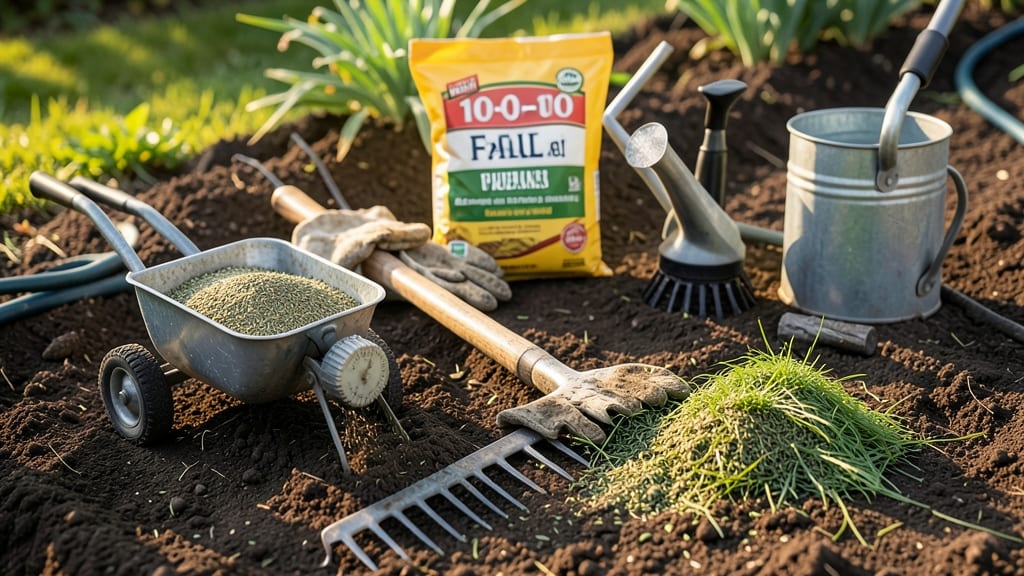
Planting grass seed in the fall isn’t just smart—it’s the secret weapon for a lush, resilient lawn next spring. But timing it wrong can leave you with patchy, weak growth or wasted seeds.
The key lies in that sweet spot: 4-6 weeks before your first frost, when soil stays warm enough for roots to take hold but nights cool down to slow weeds.
In USDA Zone 6a, that window typically means late September through mid-October—just enough time for your 🌱 grass seed to germinate and establish before winter dormancy kicks in.
Whether you’re a first-timer or a seasoned gardener, getting this right means fewer weeds, deeper roots, and a head start on spring’s greenest lawn.
But here’s the catch: planting too early risks frost damage, while waiting too late can leave seeds dormant before they sprout. I’ll break down exactly how to read your local climate cues, prep your soil like a pro, and avoid the most common mistakes that derail fall plantings.
Ready to transform your lawn? Let’s dive into the step-by-step strategy that’ll have your grass thriving—even when the weather turns chilly.
Best fall planting window for grass seed by region and climate
Fall is the golden window for planting cool-season grass seed like tall fescue or Kentucky bluegrass, but timing isn’t one-size-fits-all. The magic happens 4-6 weeks before your first frost date, giving seedlings time to root deeply before winter dormancy.
In USDA Zones 5-8, this typically means late August through mid-October, but regional climate shifts that window significantly.
For example, gardeners in Zone 5 (like Minnesota) should aim for mid-September, while Zone 9 (Southern California) can plant until early November. Check your local first frost date—the USDA Plant Hardiness Zone Map is your best friend here.
Pro tip: Soil temperature should stay above 50°F (10°C) for at least 4-6 weeks post-planting to avoid dormancy.
Here’s why fall works: Cooler air reduces water evaporation, weeds slow down, and grass grows roots—not just blades—preparing for winter. But plant too early, and frost can heave seedlings out of the soil. Too late, and roots won’t establish before dormancy kicks in.
🌱
| Region/Zone | Ideal Planting Window | Soil Temp Goal | Key Risk |
|---|---|---|---|
| Northern US (Zones 3-5) | Late August–Mid-September | 50–65°F (10–18°C) | Early frost heave |
| Midwest (Zones 6-7) | Mid-September–Early October | 55–70°F (13–21°C) | Weed competition |
| Southern US (Zones 8-10) | September–November | 60–75°F (16–24°C) | Late-season drought |
| Pacific Northwest | Early September–Mid-October | 50–60°F (10–15°C) | Cool, wet soils |
Adjust for microclimates—shady spots or low-lying areas may need earlier planting. If your fall is unusually warm (like a 2023 heatwave), delay until temps drop closer to 70°F (21°C) to avoid stressing seedlings. Always test your soil temperature with a thermometer—it’s the #1 predictor of success.
For warm-season grasses (like Bermuda or Zoysia), fall is still useful for overseeding, but focus on late summer (July–August) instead. Cool-season grasses thrive in fall’s mild conditions, while warm-season varieties prefer summer’s heat.
🌿
Need a backup plan? If you miss the fall window, early spring (March–April) is your second chance—just be ready to protect new growth from late frosts. But fall’s thicker roots and fewer weeds make it the clear winner for most gardeners.
Pro move: Mark your calendar 6 weeks before frost and set a reminder to prep your soil. The earlier you plan, the more time you’ll have to fix compacted soil or adjust pH levels—both critical for germination.
5 Critical steps to prepare soil and maximize grass seed germination
Preparing your soil properly is the secret weapon for thick, healthy grass. Start by removing debris like leaves and rocks—this ensures direct contact between seeds and soil.
Use a rake or dethatching tool to loosen the top ¼ inch of soil, creating a soft bed for seeds to nestle into.
Next, test your soil’s pH level—ideal for grass is between 6.0 and 7.0. If your soil is too acidic or alkaline, amend it with lime (to raise pH) or sulfur (to lower it). This step prevents nutrient deficiencies that stunt growth right from the start.
Weed control is non-negotiable before planting. Pull weeds by hand or use a pre-emergent herbicide 2 weeks before seeding to stop weeds from competing for nutrients. For stubborn weeds, spot-treat with vinegar (a natural herbicide) after removing seeds.
Apply a starter fertilizer with a high phosphorus content (like 10-20-10) to jumpstart root growth. Spread it evenly over the area, then lightly rake it into the soil. This gives your grass seed an immediate nutrient boost while avoiding over-fertilizing, which can burn tender seedlings.
🌱 Step-by-Step Soil Prep Checklist
- ✅ Clear debris (leaves, rocks, sticks)
- ✅ Loosen topsoil (¼ inch deep)
- ✅ Test pH (adjust to 6.0-7.0)
- ✅ Remove weeds (hand-pull or herbicide)
- ✅ Apply starter fertilizer (high phosphorus)
- ✅ Mulch lightly (straw or peat moss)
Finally, cover the seeds with a thin layer of mulch (¼ inch of straw or peat moss). This protects seeds from birds and wind while keeping soil moisture consistent. Avoid heavy mulch—it can smother seeds and prevent sunlight from reaching them.
Once planted, water gently but deeply to settle seeds into soil. Aim for 1 inch of water per week, split into two sessions (morning and evening). Consistency is key—uneven watering leads to patchy growth or seed washout.