
Plants
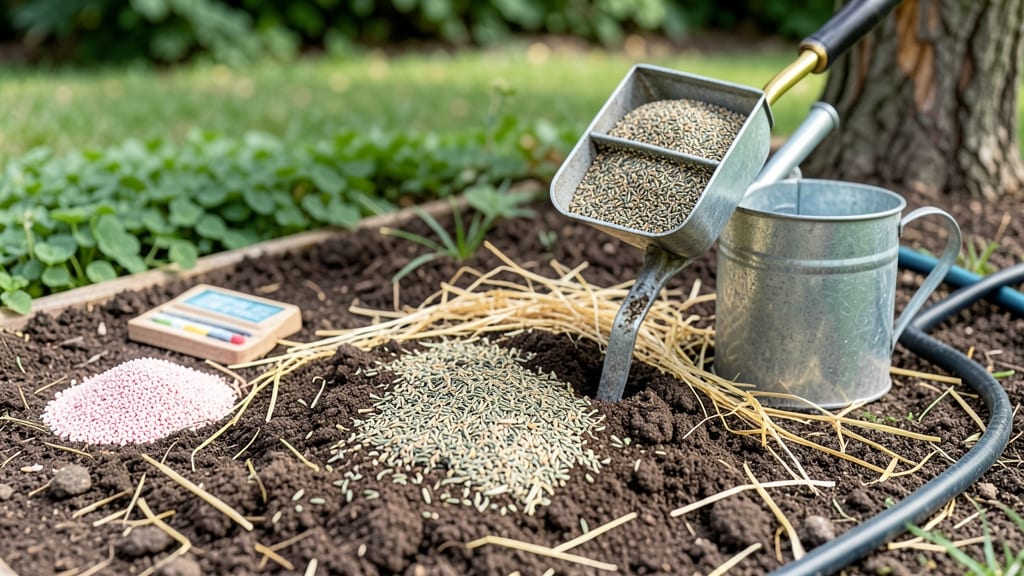
Planting grass seed in Maryland at the wrong time can mean weeks of waiting for a lawn that never quite takes off—until you learn the cool-season secrets that make all the difference.
The ideal windows aren’t just about avoiding frost; they’re about aligning with Maryland’s 7a-7b climate, where early fall and late summer offer the perfect balance of moisture and temperature for germination.
I’ve seen firsthand how a 5-minute soil check before planting can save hours of frustration later.
Maryland’s unpredictable spring showers and summer heatwaves turn many seeding attempts into costly mistakes, but timing it right—like in September or early October—gives your grass the best shot at thriving before winter sets in.
What if I told you the best time isn’t always when your neighbor starts planting? Coastal areas near the Chesapeake Bay have different rules than inland zones, and even a week’s delay can mean the difference between a lush lawn and patchy growth.
Let’s break down the exact windows, soil prep hacks, and post-planting care to ensure your grass seed doesn’t just survive—it flourishes.
From aerating your soil to avoiding common pitfalls like deer damage or fungal diseases, I’ll walk you through every step to turn Maryland’s unpredictable weather into your advantage. Ready to plant with confidence?
Maryland’s ideal grass-seeding windows: cool-season timing explained
Maryland’s cool-season grasses like Kentucky Bluegrass and Tall Fescue thrive when planted during two critical windows: early fall and late summer. These periods offer ideal soil temperatures (50–65°F) and consistent moisture—key factors for germination.
Spring planting is riskier due to unpredictable Maryland heatwaves and drought stress, which can dry out seeds before roots establish.
Most gardeners in Maryland’s USDA Zones 7a-7b focus on September and October for fall planting, while late August is perfect for summer seeding.
Coastal areas (like Annapolis) may shift planting 1–2 weeks earlier due to milder temperatures, while inland regions (like Frederick) might delay until mid-September to avoid early frosts.
Here’s why these windows work best: Fall planting lets seeds germinate with cool evenings and warm days, while summer seeding capitalizes on summer rainfall before temperatures drop. Spring planting? It’s a gamble—seeds may sprout too fast in March heatwaves or struggle with April droughts.
Maryland’s three distinct microclimates—Coastal Plain, Piedmont, and Western Mountains—can shift the perfect planting date by up to 2 weeks. For example, Baltimore’s urban heat island may require planting 10 days earlier than rural Western Maryland, where cooler nights delay seeding.
Pro Tip: Use a soil thermometer to confirm 50–65°F soil temps—the sweet spot for cool-season grass germination. If your soil is warmer than 70°F, wait for cooler weather or opt for shade-tolerant varieties like Fine Fescue, which handle heat better.
| Planting Window | Ideal Months | Soil Temp Range (°F) | Key Advantages |
|---|---|---|---|
| Early Fall | September–October | 50–65°F | Cool nights, warm days; less competition from weeds; established roots before winter. |
| Late Summer | Late August | 60–70°F | Summer rainfall reduces irrigation needs; seeds germinate before heat peaks. |
| Spring (Risky) | March–April | 45–60°F | Fast germination but high drought/heat stress risk; weeds outcompete seedlings. |
🌱 Note: Adjust for Coastal (earlier) vs. Inland (later) planting dates.
If you’re seeding in spring, aim for early March but be ready to water daily until seedlings are 2 inches tall. Spring-planted grass often struggles with summer heat stress, leading to brown patches by July.
Fall planting, however, gives grass a 6–8 week head start on root growth before winter dormancy.
Maryland’s first frost date (around November 15) is your deadline for fall seeding. Plant 6 weeks before frost to ensure seeds germinate and establish roots before cold sets in. For late fall plantings, use a lightweight row cover to protect tender seedlings from early freezes.
For best results, pair your planting window with proper soil prep: till the top 4 inches of soil, rake to a fine texture, and test for pH 6.0–7.0. Maryland’s clay-heavy soils (common in the Piedmont) benefit from compost amendments to improve drainage and seed-to-soil contact.
Remember: Timing isn’t everything—but it’s 80% of the battle. Combine the right window with consistent moisture, proper fertilization, and weed control, and you’ll outpace Maryland’s unpredictable weather every time. 🌿
How Maryland’s weather affects grass seed success: what to watch for
Maryland’s weather is famously fickle—one week brings unpredictable heatwaves, the next drenches your lawn with unseasonal rain. These swings can turn your grass-seeding plans into a disaster if you’re not prepared.
The key to success lies in understanding how soil temperature, rainfall patterns, and humidity levels interact to create the perfect germination window.
For cool-season grasses like Kentucky Bluegrass and Tall Fescue, the soil must stay between 55°F and 65°F for optimal growth. If temperatures spike above 80°F, seeds can dry out before sprouting, while cooler-than-average springs (like 2023’s late frost in April) delay planting.
Even Coastal Maryland’s milder climate doesn’t escape these rules—just with slightly adjusted timelines.
🌱Pro Tip: Use a soil thermometer ($10 at garden centers) to check depth (1 inch down). Plant only when temps consistently hit 60°F+ for 3+ days—this beats guessing based on calendar dates.
⚠️ Watch Out for Maryland’s Weather Pitfalls
- Heatwaves: Seeds planted in July/August often fail due to drought stress and fungal risks from high humidity.
- Spring Rain Delays: April showers can waterlog soil, suffocating seeds—wait for 5+ dry days before planting.
- Fungal Threats: Morning dew + warm nights (common in Piedmont) create perfect conditions for dollar spot disease.
🌧️ Solution: Avoid planting when forecasts predict >3 inches of rain in 48 hours.
Timing isn’t just about months—it’s about microclimates. Western Maryland’s drier summers may allow late-summer seeding (August), while Coastal areas (like Annapolis) should wait until early September to avoid hurricane-season moisture.
Even your lawn’s sun exposure matters: Shady spots stay cooler longer, so they’re ready 2 weeks earlier than full-sun areas.
Don’t fall for the myth that “greener grass means it’s time”. Your neighbor’s lawn might look lush in May, but their established roots can handle heat—your new seeds can’t.
Instead, look for leaf growth cues: When dandelions and clover start flowering, it’s your signal to prep soil for seeding.
Finally, deer and crows are Maryland’s top seed thieves. Plant in late afternoon (when birds are less active) and use deer repellent granules (like Liquid Fence) to protect your investment. A light mulch layer (straw, not hay) also shields seeds from bird pecking while retaining moisture.