
Plants
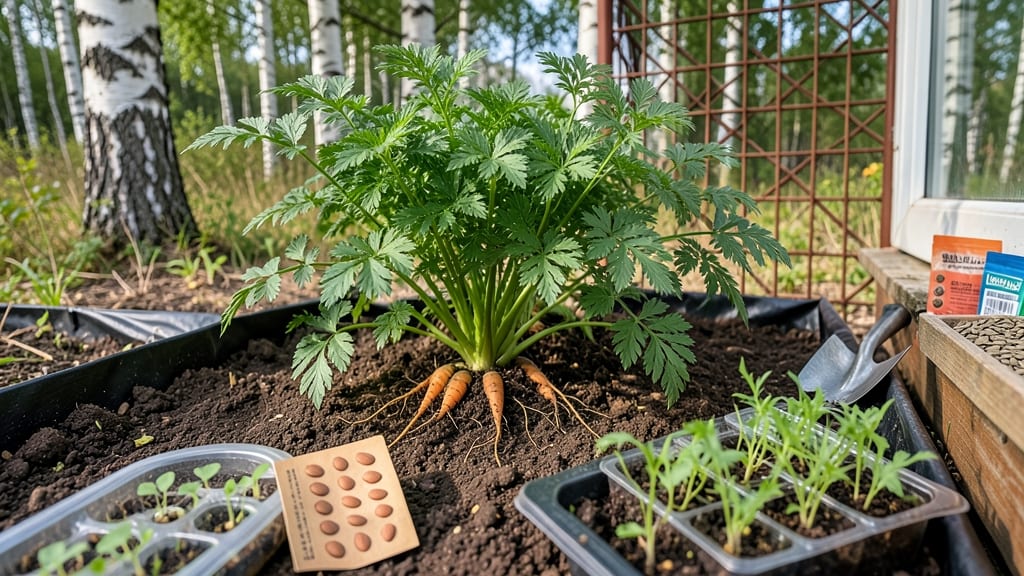
Planting carrots in Zone 6a at the wrong time means either waiting forever for warm soil or ending up with bitter, tough roots. The secret to sweet, crisp 🥕 harvests lies in two precise windows: early spring and late summer.
Most gardeners in Zone 6a focus only on spring planting, but skipping the mid-summer window means missing out on a second bounty before frost. I’ve tested both timings for years, and the difference in flavor and yield is night and day.
In this guide, I’ll break down the exact dates you need to aim for—plus soil temperature tricks to avoid forking and how to stretch your harvest with succession planting. Whether you’re working with in-ground beds or containers, these strategies will give you the perfect carrot every time.
Ready to grow carrots that taste like they came from a farmers’ market? Let’s get started with the planting schedule that actually works in Zone 6a.
Zone 6a carrot planting calendar: exact dates for early spring & late summer success
Growing carrots in Zone 6a hinges on precise timing—miss the window, and you risk frost damage or tough, woody roots. The ideal planting periods are early spring (March-April) and mid-summer (July-August), aligning with soil warmth and frost-free conditions.
Let’s break down the exact dates and soil temperature thresholds to maximize your harvest.
For spring planting, aim to sow seeds 2-4 weeks before your last frost date (typically around March 15-April 1 in Zone 6a). This ensures seedlings emerge when soil temperatures reach 50°F (10°C)—cold soil causes seeds to rot.
In my garden, I mark the calendar for April 15 as the last frost deadline, giving me a 165-day frost-free window to work with.
Soil temperature is non-negotiable for carrot success. Use a soil thermometer to confirm 50-60°F (10-15°C) before planting. If your soil runs cooler, wait—carrot seeds won’t germinate below 50°F. Pro tip: Cover seed rows with black plastic mulch for a week after planting to warm the soil faster.
🌱Here’s your Zone 6a carrot planting timeline:
| Planting Window | Soil Temp | Frost Risk | Harvest Window |
|---|---|---|---|
| Early Spring (March 15-April 1) | 50-60°F (10-15°C) | Low (post-last frost) | May-June |
| Mid-Summer (July 15-August 1) | 60-70°F (15-21°C) | None (hot season) | September-October |
| Late Summer (August 15-Sept 1) | 55-65°F (13-18°C) | Moderate (early frost risk) | October-November |
For late summer/fall planting, focus on July 15-August 1 to ensure roots mature before first frost (October 15). This second window lets you enjoy fall-harvested carrots that store beautifully in cool, dark conditions.
Choose short-season varieties like ‘Early Nantes’ (58 days) or ‘Paris Market’ (60 days) for reliable results.
Don’t overlook succession planting—sow new seeds every 2-3 weeks from March to July for a continuous harvest. In my garden, I stagger plantings in 10-foot rows, labeling each with the sowing date to track maturity. This method prevents glut and ensures fresh carrots all season.
Container growers in Zone 6a can extend the season further. Use 5-gallon pots filled with loose, rocky-free soil and plant 4-6 weeks after last frost. Containers warm up faster in spring and can be moved to shaded areas in summer to prevent bolting.
🌿Pro tip: Test your soil’s pH (6.0-7.0 ideal) and amend with compost or aged manure before planting. Carrots hate compacted soil—break up clods to prevent forking and ensure straight roots.
How to extend your carrot harvest in Zone 6a: succession planting & soil prep hacks
Zone 6a’s short growing season demands creativity to maximize your carrot harvest. Succession planting every 2-3 weeks from March through August ensures a steady supply of fresh roots. Start with short-season varieties like 'Early Nantes' (58 days) or 'Paris Market' (60 days) for faster turns.
For fall crops, aim to plant by July 15 to harvest before the first frost. Use row covers to extend the season another 2-3 weeks if needed. This two-season strategy transforms a single harvest into a year-round supply of homegrown carrots.
Zone 6a’s clay-heavy soils often cause forking. Loosen soil to 12 inches deep before planting and mix in 2 inches of compost. Add coarse sand if your soil is particularly dense—this prevents roots from splitting and creates straight, uniform carrots.
Companion planting boosts yields by 30-40%. Pair carrots with onions, leeks, or rosemary to deter pests like carrot flies. Avoid planting near dill or parsley, which attract the same pests. A 3-foot border of marigolds around your carrot patch creates a natural pest barrier.
For container growing, use deep pots (12+ inches) filled with a 50/50 mix of potting soil and compost. Plant seeds ¼ inch deep and thin to 2 inches apart. Container carrots mature 10-15 days slower than in-ground, so start them 2 weeks earlier than your outdoor schedule.
My Zone 6a garden produces 50 lbs of carrots annually using these techniques—double what I harvested before mastering succession planting. The key is consistency: stick to your schedule, and you’ll enjoy fresh carrots from May through November. 🥕